Tight rings on a hot day are usually heat edema — skin vessels widening to dump heat, plus a little fluid leaking into the fingers. Here is why it happens, how to ease it, and when swelling needs a closer look.
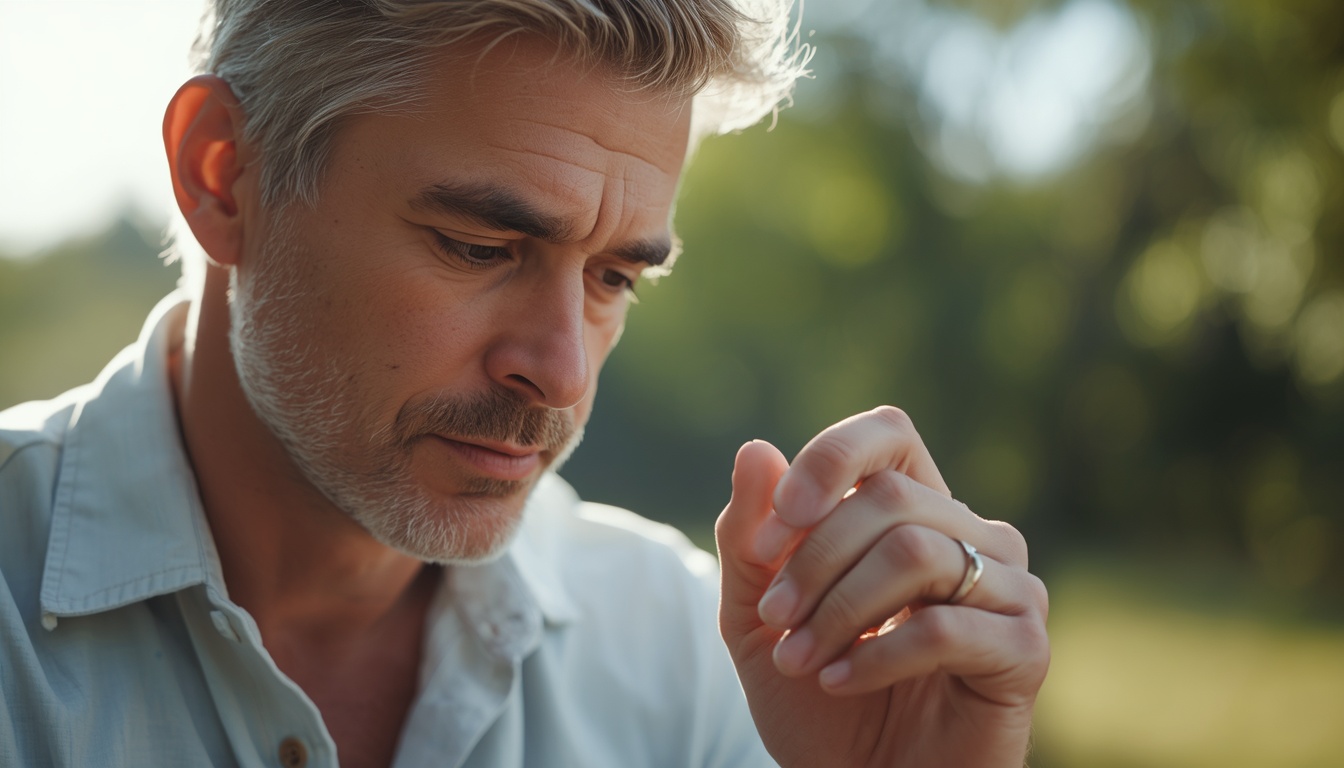
A ring that slid on at breakfast will not rotate by mid-afternoon. Knuckles look a little padded. A watch leaves a shallow groove. The hands feel tight rather than painful, and they look slimmer again after a cool evening or a night in air-conditioned sleep.
That pattern has a name: heat edema. It is one of the mildest heat-related responses the body makes, and it is far more often a cooling strategy with a side effect than a sudden illness.
What Heat Swelling in the Hands Feels Like
Typical heat-related finger and hand puffiness is:
- Mild, two-sided, and worse on the hottest part of the day
- Soft rather than hard — a brief press may leave a shallow dent
- Most obvious as tight rings, a snug watch, or “sausage” fingers after walking in sun
- Better after cooling down, raising the hands, or sleeping in a cooler room
- Often paired with slightly puffy ankles on the same day
It is different from one hot, red, painful hand; from swelling that arrives with shortness of breath or sudden weight gain; and from a face, lips, or tongue that puffs within minutes of a food or sting.
Yes — Heat Edema Is a Documented Pattern
When air temperature rises, the skin becomes a radiator. Cutaneous blood vessels widen so more warm blood reaches the surface, where heat can leave by radiation and by evaporating sweat. Cardiovascular physiologist Loring B. Rowell mapped those adjustments in classic work on humans in heat: cardiac output is redistributed toward the skin, and peripheral vessels open.
That widening is useful. It is also leaky. Capillary pressure in the hands and feet rises. A little plasma water filters into the tissue spaces — the same Starling balance that physiologist Ernest Henry Starling described more than a century ago. When lymph cannot clear the extra fluid as fast as it arrives, the fingers look fuller.
Emergency and travel medicine have long listed heat edema among the minor heat illnesses. It is especially common in people who fly from a cool climate into a hot one before they have acclimatized. Reviews of heat illness — including work summarized by clinicians such as Allan S. Howe and Barry P. Boden — describe mild swelling of the hands, feet, and ankles that appears within the first days of heat exposure and fades as the body adjusts. Diuretics are not the treatment. The person is often a little volume-depleted from sweating even while the tissues look puffy; stripping fluid with a water pill can worsen that mismatch.
Skin-blood-flow researchers such as Craig G. Crandall and John M. Johnson have shown how tightly hand and forearm vessels track core and skin temperature. On a hot afternoon those circuits are wide open. That is cooling, not failure.
A related late-day puffiness after sitting still is more about gravity and a quiet calf pump than about ambient heat — the pattern in is it normal for your feet to swell after sitting. Many people get both on the same summer day.
Why Fingers Show It First
Hands are a high-surface, low-muscle radiator. They also wear jewelry that reports small volume changes long before a scale does.
Several ordinary factors stack:
- Cutaneous vasodilation. Heat opens skin vessels so blood can dump warmth. Fluid follows pressure into the soft tissue of the fingers.
- Gravity and posture. Hands hanging at the sides on a walk, or resting down on a table for hours, let fluid settle distally. Raising the hands above the heart for a few minutes often eases the tightness.
- Salt and a first hot week. If you have not yet started to sweat out much sodium, retained salt holds water. Classic teaching on heat edema notes that a relative salt excess can pull extra fluid into the hands and legs — the same sodium-and-volume theme as why your blood pressure still expects scarce salt.
- Exercise in the heat. Walking or sightseeing sends even more blood through working muscle and skin. Fingers often look puffiest after a long warm hike, not after sitting in shade.
- Hormones and medicines. Premenstrual days, pregnancy, some blood-pressure pills (especially dihydropyridine calcium-channel blockers), NSAIDs, and steroids can add a baseline of fluid that heat then makes obvious.
- Lack of acclimatization. The first two or three hot days after a cool season, or after landing in a hotter city, are the classic window. Over the next days to weeks, plasma volume and sweating usually adjust and the puffiness eases.
The metal of a ring does expand a tiny amount when it warms. That change is far too small to explain a half-size of tightness. The finger changed, not the gold.
Hidden Triggers That Look Mysterious
Swelling that “came from nowhere” often has a quiet stack:
- A salty lunch, a long sunny walk, and a ring that was already snug
- A first heat wave after a cool spring, before sweating has fully adapted
- Alcohol the night before — vessels already a little more open
- A long car or train ride with hands down in a warm cabin
- Switching all day between outdoor heat and very cold indoor air, which keeps vessels busy
- Carrying bags so the hands hang low for hours
Cooling itself is an old human skill that modern climate control has made optional most of the year. When the radiator finally turns on, the side effect is visible on the fingers. That unused contrast is part of the larger story in why your circulation still expects temperature contrast.
When Swelling Is Not “Just Heat”
Most two-sided, painless, heat-day puffiness that eases overnight or in a cooler room is benign. Get prompt medical care if you notice:
- Sudden swelling of the face, lips, tongue, or throat, or trouble breathing
- One hand that is hot, red, very painful, or numb after an injury
- Chest pain, severe breathlessness, or swelling that climbs the legs and does not recede by morning
- Rapid weight gain of several kilograms with abdominal bloating
- Swelling plus little or no urine, yellowing of the skin, or known heart, kidney, or liver disease that is getting worse
- A ring so tight that the finger is turning pale, blue, or numb — that is a circulation emergency around the jewelry, not a fashion problem
Older adults, pregnant people, and anyone with heart, kidney, or vein disease can still get ordinary heat edema, but they also have more reasons to check new or persistent swelling with a clinician rather than waiting out a heat wave.
Myths vs Facts
Myth: Tight summer rings mean you gained fat in a week.
Fact: Soft-tissue fluid shifts by millimeters. Fat does not appear and vanish between breakfast and dinner.
Myth: You should take a water pill whenever fingers puff in July.
Fact: Emergency guidance on heat edema specifically advises against routine diuretics. The tissues are puffy; the bloodstream may already be a little dry from sweat.
Myth: If you drink more water the swelling will always get worse.
Fact: Adequate water helps you sweat and stay safe in heat. The bigger dietary lever is often extra salt, not water itself.
Myth: Only the feet swell from heat.
Fact: Hands are a common site, which is why jewelers hear about summer sizing every year.
Myth: Air-conditioning will “shock” the vessels and make swelling worse later.
Fact: A cooler room lets vessels narrow again and fluid return to the circulation. That is the intended resolution.
How to Manage Heat-Puffy Fingers
Simple steps match the physics:
- Cool the skin: shade, a fan, a cool rinse of the hands and forearms, lighter clothing.
- Raise the hands above heart level for a few minutes when rings feel tight.
- Move. Gentle finger flexion, wrist circles, and walking help lymph and veins clear fluid better than sitting with hands down.
- Ease salt on the hottest days if puffiness is a regular guest.
- Drink to thirst and to urine that is pale, not clear all day and not dark.
- On very hot outings, consider leaving a snug ring at home or switching to a looser band. Soap, cool water, and patience remove a stuck ring more safely than force.
- Give a new climate a few days. Acclimatization often includes a quiet diuresis as the puffiness leaves.
Support hose helps ankles more than fingers. For the hands, elevation and cooling do more than compression gloves in ordinary heat edema.
When to See a Doctor
Book a non-urgent visit if finger swelling lasts into cooler weeks, is only on one side, is paired with joint pain or morning stiffness of the knuckles, or keeps returning despite cooler weather and less salt. Seek urgent care for the red-flag list above, or if a ring cannot come off and the finger is changing color.
A clinician can sort heat edema from medication effects, vein or lymph problems, inflammatory arthritis, and heart or kidney fluid overload — conditions that share the word “swelling” and almost nothing else in treatment.
Frequently Asked Questions
Is it normal for rings to feel tighter in summer?
Yes. Mild, two-sided finger swelling on hot days is a common form of heat edema. The ring did not shrink in any meaningful way; the finger held a little more fluid while skin vessels were open to dump heat.
Should I take off my rings every hot day?
If a ring is already snug, removing it before a long hot walk is kinder than fighting it off later. If it is stuck and the finger is pale, blue, or numb, treat that as urgent and do not keep pulling.
Why do my fingers swell when I walk in the heat but not when I sit in the shade?
Walking in heat combines muscle blood flow, open skin vessels, and hanging hands. Sitting in shade asks less of the radiator, so less fluid filters into the fingers.
Does drinking more water make heat swelling worse?
Usually not if you are replacing sweat. Extra sodium and hanging the hands down matter more than ordinary drinking. Skip unsupervised diuretics.
How long does heat edema last?
Hours to a couple of days for a single hot afternoon. After arriving in a hotter climate, mild hand and ankle puffiness can linger several days until acclimatization catches up.
Can pregnancy or blood-pressure medicine make this worse?
Yes. Extra blood volume in pregnancy and some calcium-channel blockers increase baseline fluid in the hands. Heat then makes an already snug ring obvious. Ask the prescribing clinician before changing any medicine.
Conclusion
Fingers that look fuller on a hot afternoon are usually doing their job as a radiator. Vessels open, a little water follows Starling’s rules into the soft tissue, and a ring becomes an early warning system. Cool the skin, raise the hands, move, and give a new climate a few days. That is enough for most summer puffiness. Persistent, one-sided, painful, or whole-body swelling is a different story — and that is the moment to stop blaming the weather and get it checked.