Heavy, tired eyes in the afternoon are common. Learn why screens, dry eye, sleep debt, and the circadian dip cause it, plus simple ways to ease the sensation.
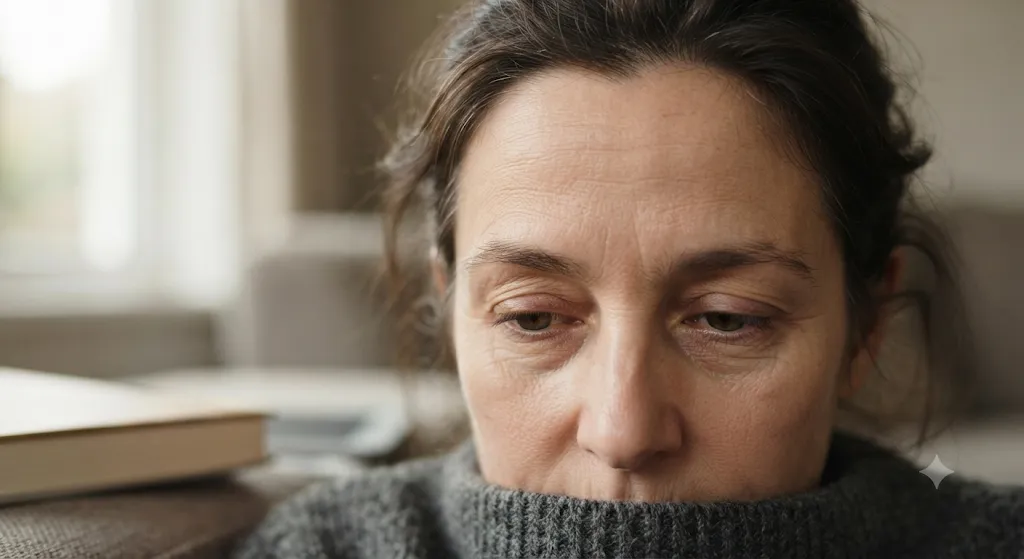
You are midway through the afternoon when your eyelids start to feel weighted, almost as if they want to close on their own. The sensation is familiar to anyone who spends long stretches at a screen or under indoor lighting. In most cases it is a normal response to the combination of visual demand, mild tear-film changes, and the body’s natural afternoon energy dip — not a sign that something is wrong with your eyes.
What This Sensation Feels Like
People usually describe a heaviness or mild ache behind the eyes, a desire to rub them, or the feeling that the lids are harder to keep open. Vision may seem slightly less sharp, or you may blink more often without noticing. The heaviness typically builds gradually after lunch and eases once you move, change focus distance, or take a short break. It is different from sharp pain, sudden vision loss, or persistent double vision.
Common Everyday Causes
Several ordinary factors converge in the afternoon:
- Sustained near work and reduced blinking. Reading or screen use keeps the eyes locked at a short distance. Blink rate often drops, so the tear film evaporates more quickly and the surface feels dry or fatigued. Research by Kazuo Tsubota and others has shown how incomplete or infrequent blinks during focused tasks thin the tear film and increase ocular surface stress.
- Mild dry eye or indoor air. Air conditioning, heating, and low humidity speed tear evaporation. Even people without chronic dry-eye disease can notice heavier lids by mid-afternoon.
- Sleep debt and the circadian dip. Most adults experience a natural drop in alertness in the early-to-mid afternoon. When sleep has been short or fragmented, that dip is more noticeable in the eyes and lids.
- Screen glare and contrast. Bright screens against dimmer rooms, or prolonged close focus without looking into the distance, add to the sense of effort.
These factors often overlap. A night of poor sleep plus a long morning of computer work makes the afternoon heaviness more likely.
Why the Eyes Feel Heavier Later in the Day
The eyes and lids are built for frequent shifts between near and far focus and for regular full blinks that refresh the tear film. Modern indoor work reduces those natural breaks. Over hours, the extraocular muscles and the levator palpebrae (the muscle that lifts the lid) accumulate mild fatigue. At the same time, the tear film becomes less stable, so the surface feels rough or weighted. The brain’s arousal systems also ease slightly in the afternoon as part of the normal circadian rhythm; the eyes simply register that change first.
Related reading on how screen habits affect blinking and near focus: Why Your Blink Rate Still Expects Outdoor Scanning and Why Your Eyes Still Expect Distant Focus.
Less Common but Worth Noting
Allergies, mild sinus congestion, or residual effects from contact lenses can add to afternoon heaviness. In rare cases, persistent or progressive lid heaviness can relate to neurologic or muscular conditions, but those usually come with other clear signs such as drooping that does not improve with rest, double vision, or weakness elsewhere. Ordinary afternoon heaviness that clears with a short break or better sleep is far more common.
Hidden Triggers
- Uncorrected or outdated glasses prescription that forces extra focusing effort.
- Dehydration or skipped meals that amplify the afternoon energy dip.
- Medications with mild anticholinergic effects that reduce tear production.
- Prolonged use of contacts without breaks.
When to Worry
Seek prompt evaluation if the heaviness is accompanied by:
- Sudden or severe pain, vision loss, or double vision
- One-sided drooping that does not lift with rest
- New headache, nausea, or neurologic symptoms
- Persistent redness, discharge, or light sensitivity that does not settle
- Heaviness that steadily worsens over days rather than fluctuating with activity and rest
Otherwise, the pattern that appears in the afternoon and improves with breaks, hydration, or better sleep is typically benign.
Myths vs Facts
Myth: Heavy afternoon eyes mean you need stronger glasses right away.
Fact: Temporary focusing fatigue from sustained near work is common even with a correct prescription. A short distance break often helps more than an immediate prescription change.
Myth: Rubbing the eyes vigorously will “wake them up.”
Fact: Rubbing can temporarily stimulate the lids but often increases surface irritation and can worsen dry-eye symptoms.
Myth: Only people with diagnosed dry eye get this sensation.
Fact: Even healthy tear films become less stable after hours of reduced blinking in dry indoor air.
How to Ease Afternoon Eye Heaviness
- Follow the 20-20-20 idea: every 20 minutes, look at something 20 feet away for about 20 seconds. This resets focus and encourages fuller blinks.
- Blink deliberately and completely several times in a row when you notice the heaviness. Full blinks spread the tear film more evenly.
- Use artificial tears if the eyes feel dry (preservative-free if you use them often). Keep them handy rather than waiting until the sensation is strong.
- Adjust lighting so the screen is not much brighter than the surrounding room, and consider a slight screen-brightness reduction in the afternoon.
- Stay hydrated and take a short walk or stand-and-stretch break; movement and a change of visual scene often lift the heaviness quickly.
- Protect sleep. Even one better night reduces the intensity of the next afternoon’s dip.
If you also notice dryness specifically after long calls or in air-conditioned spaces, the practical steps in Is It Normal for Your Eyes to Feel Dry in Air-Conditioned Rooms? overlap usefully here.
When to See a Doctor
Make a routine eye appointment if the heaviness is new, frequent, and not improving with the simple measures above, or if you have not had an eye exam in more than a year or two. Mention any contact-lens wear, new medications, or allergy symptoms. Urgent care is appropriate for the red-flag symptoms listed earlier.
FAQs
Is afternoon eye heaviness the same as screen-related eyelid heaviness?
They overlap, but afternoon heaviness often includes the circadian energy dip and cumulative sleep debt in addition to screen effects. The eyelid-specific sensation after prolonged screen time is covered in more detail in related articles on digital eye strain.
Can caffeine help?
A moderate amount can temporarily raise alertness, but it does not restore the tear film or replace the need for blink and focus breaks. Too much late in the day can also interfere with that night’s sleep and make the next afternoon worse.
Do blue-light glasses prevent it?
Evidence that blue-light filtering lenses meaningfully reduce eye fatigue is limited. Proper lighting, regular breaks, and full blinks tend to matter more.
Why do my eyes feel heavier on some days than others?
Sleep quality, hydration, air quality, allergy load, and total near-work time all vary. A night of short sleep plus a dry office environment is a common combination that amplifies the sensation.
Should children get this too?
Yes. Extended near work or screen time in the afternoon can produce the same heavy-lid feeling in kids. The same distance and blink breaks help, and ensuring adequate outdoor time supports overall visual development.
Can allergies make afternoon eyes feel heavier?
Yes. Mild allergic conjunctivitis or sinus congestion can add a weighted sensation. If itching or watery discharge is prominent, addressing the allergy usually reduces the heaviness as well.
Conclusion
Feeling that your eyes are heavy in the afternoon is a common, usually harmless response to hours of near focus, reduced blinking, indoor air, and the body’s normal energy rhythm. Short visual breaks, deliberate full blinks, hydration, and consistent sleep resolve it for most people. When the heaviness stays mild and tracks with activity and rest, it is simply your eyes registering the ordinary demands of a modern indoor day.