
Fatty liver disease can develop without alcohol and often causes no symptoms. Learn hidden causes, warning signs, risks, and natural ways to support liver health.
Imagine going for a routine health checkup and hearing something completely unexpected: “You have fatty liver disease.”
Your first reaction might be confusion. You rarely drink alcohol—or perhaps you don't drink at all. How could your liver be affected?
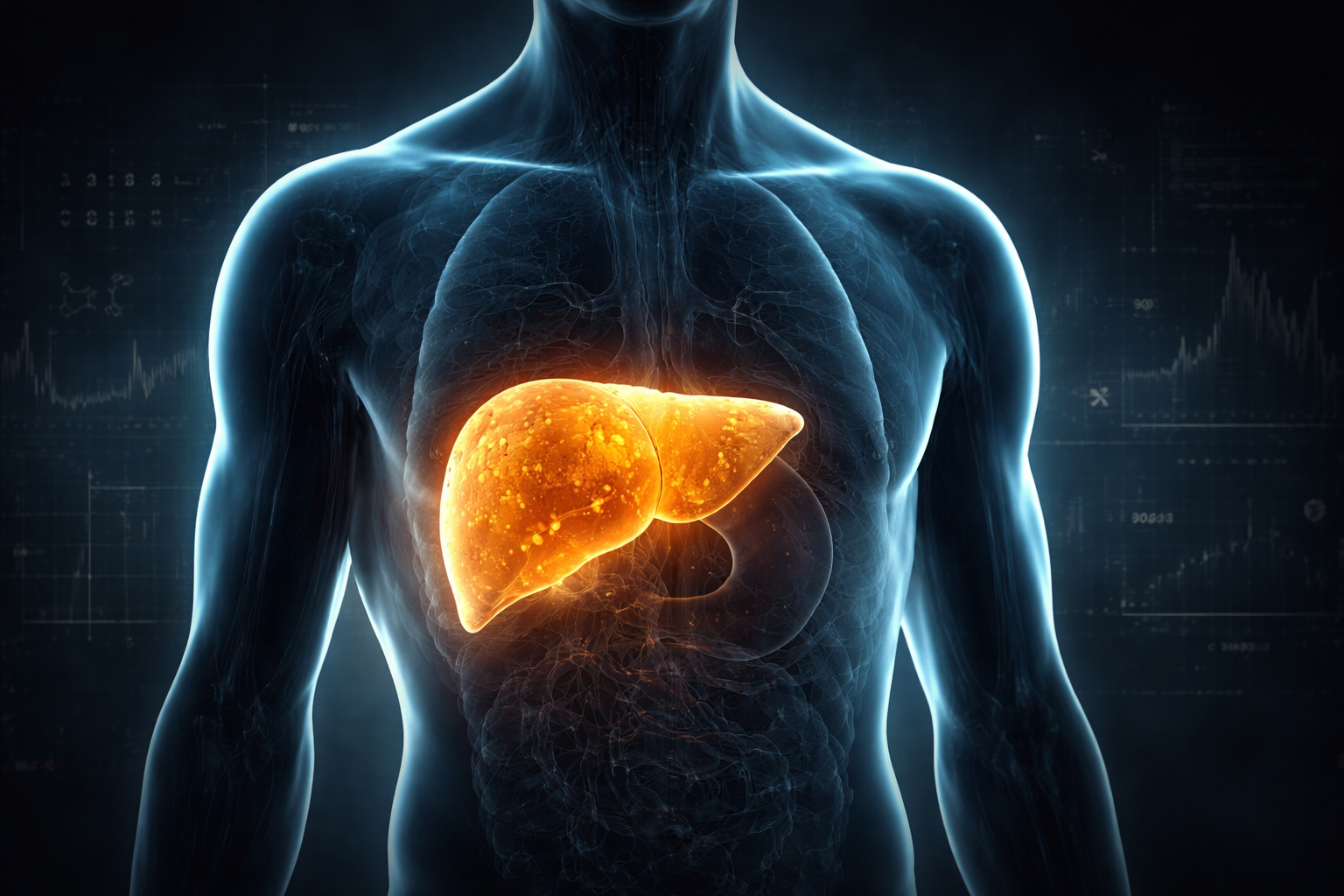
This exact scenario is happening to millions of people worldwide. Many are shocked to discover they have fat accumulating inside their liver despite never having a drinking problem. Even more surprising, most people experience no obvious symptoms for years. By the time warning signs appear, liver damage may already be progressing.
Non-alcoholic fatty liver disease (NAFLD), now increasingly referred to as metabolic dysfunction-associated steatotic liver disease (MASLD), has become one of the most common chronic liver conditions in the world. It affects adults, teenagers, and even children. Yet countless individuals remain unaware they have it.
Understanding why fatty liver develops without alcohol, recognizing hidden risk factors, and knowing when to take action can help protect your liver and overall health.
What Is Fatty Liver Disease?
Your liver is one of the hardest-working organs in your body. It processes nutrients, filters toxins, helps regulate blood sugar, stores vitamins, and plays a critical role in metabolism.
Normally, the liver contains a small amount of fat. Problems begin when excess fat accumulates inside liver cells.
When more than about 5% of the liver's weight consists of fat, doctors may diagnose fatty liver disease.
There are two major categories:
- Alcohol-related fatty liver disease – caused primarily by excessive alcohol consumption.
- Non-alcoholic fatty liver disease (NAFLD/MASLD) – occurs in people who drink little or no alcohol.
The second type is now far more common than many people realize.
Why Millions Don't Know They Have It
One of the most concerning aspects of fatty liver disease is its silence.
Unlike many illnesses that cause pain or obvious symptoms, fatty liver often develops gradually over years. The liver has remarkable regenerative abilities, allowing it to continue functioning even while accumulating fat.
This means people may feel perfectly healthy while changes are occurring inside their liver.
Many diagnoses happen accidentally during:
- Routine blood tests
- Health screenings
- Ultrasounds for unrelated issues
- Pre-surgical examinations
- Checkups for diabetes or heart disease
Because symptoms can be subtle or absent, millions remain undiagnosed.
What This Condition Feels Like
In its early stages, fatty liver disease often causes no symptoms at all.
However, some individuals report vague symptoms that are easy to dismiss.
Common Experiences
- Persistent fatigue
- Low energy levels
- Difficulty concentrating
- General feelings of sluggishness
- Mild discomfort in the upper right abdomen
- Feeling unwell without a clear reason
Because these symptoms are nonspecific, many people blame stress, aging, poor sleep, or a busy lifestyle.
As Disease Progresses
If inflammation develops and liver damage worsens, symptoms may become more noticeable.
- Increased fatigue
- Weakness
- Loss of appetite
- Unexplained weight loss
- Abdominal swelling
- Leg swelling
These signs warrant medical evaluation.
Common Causes of Fatty Liver Disease Without Alcohol
Many people assume fatty liver only affects heavy drinkers. In reality, modern lifestyle factors are among the strongest contributors.
1. Excess Body Weight
Being overweight or obese significantly increases the likelihood of fat accumulation in the liver.
Excess calories that cannot be stored elsewhere may eventually be deposited in liver cells.
2. Insulin Resistance
Insulin helps regulate blood sugar. When cells become resistant to insulin, the body produces more of it.
This can encourage fat storage and increase fat buildup inside the liver.
3. Type 2 Diabetes
People with type 2 diabetes have a much higher risk of developing fatty liver disease.
The relationship works both ways: fatty liver may worsen insulin resistance, while diabetes accelerates liver fat accumulation.
4. High Sugar Intake
Large amounts of sugary beverages, desserts, and processed foods can contribute to fatty liver.
Fructose, a common sugar found in sweetened products, is metabolized primarily by the liver.
Excessive intake may promote fat production within liver cells.
5. Sedentary Lifestyle
Physical inactivity reduces the body's ability to efficiently use stored energy.
Over time, this contributes to weight gain, insulin resistance, and liver fat accumulation.
6. High Cholesterol and Triglycerides
Abnormal blood lipid levels often accompany fatty liver disease.
These metabolic disturbances can contribute to excess fat deposition in the liver.
Hidden Triggers People Often Ignore
Some risk factors receive far less attention than they deserve.
Poor Sleep
Chronic sleep deprivation affects hormones involved in hunger, metabolism, and insulin sensitivity.
Research increasingly links inadequate sleep with metabolic dysfunction and fatty liver disease.
Chronic Stress
Long-term stress can influence eating behaviors, hormone levels, and blood sugar regulation.
These changes may indirectly contribute to liver fat accumulation.
Rapid Weight Gain
Sudden increases in body weight place significant metabolic strain on the liver.
Even a few years of substantial weight gain can increase risk.
Highly Processed Foods
Foods rich in refined carbohydrates, added sugars, and unhealthy fats can promote metabolic dysfunction even when calorie intake seems reasonable.
Visceral Fat
Not all body fat is equal.
Fat stored deep inside the abdomen around organs—known as visceral fat—is particularly associated with fatty liver disease.
Some individuals appear relatively thin but still carry unhealthy amounts of visceral fat.
Less Common but Serious Causes
Although lifestyle factors account for most cases, some people develop fatty liver for other reasons.
Genetic Factors
Certain inherited genetic variations may increase susceptibility to liver fat accumulation.
This helps explain why some healthy-weight individuals develop fatty liver while others do not.
Hormonal Disorders
- Hypothyroidism
- Polycystic ovary syndrome (PCOS)
- Certain pituitary disorders
These conditions can affect metabolism and contribute to liver fat buildup.
Severe Malnutrition
Ironically, inadequate nutrition can sometimes lead to fatty liver by disrupting normal fat metabolism.
Certain Medical Conditions
- Metabolic syndrome
- Lipodystrophy disorders
- Some rare inherited metabolic diseases
Why This Happens in Your Body
To understand fatty liver disease, imagine your liver as a massive processing center.
Every day, it receives nutrients from food and decides what to do with them.
Under healthy conditions:
- Sugars are used for energy.
- Excess energy is stored appropriately.
- Fats are processed and transported.
- Toxins are filtered out.
However, when excess calories, sugar, and metabolic stress become chronic, the system begins to overload.
The liver starts converting surplus nutrients into fat.
Initially, this is a protective mechanism. But over time, fat droplets accumulate inside liver cells.
This buildup can trigger:
- Inflammation
- Oxidative stress
- Cell injury
- Scar tissue formation
In some people, the condition remains relatively stable. In others, inflammation progresses into a more serious stage known as non-alcoholic steatohepatitis (NASH).
Continued damage can eventually lead to fibrosis, cirrhosis, liver failure, and increased risk of liver cancer.
Why Fatty Liver Is More Than a Liver Problem
Many people think of fatty liver as an isolated condition affecting only one organ.
In reality, it often reflects broader metabolic dysfunction throughout the body.
Fatty liver disease is strongly associated with:
- Type 2 diabetes
- High blood pressure
- Heart disease
- Stroke risk
- Metabolic syndrome
- Obesity
In fact, cardiovascular disease is one of the leading health concerns among people with fatty liver disease.
Red Flags: When to Worry
Most cases develop slowly, but certain symptoms should never be ignored.
Seek Medical Attention If You Notice:
- Yellowing of the skin or eyes (jaundice)
- Persistent abdominal swelling
- Swelling in the legs or ankles
- Vomiting blood
- Black, tar-like stools
- Severe fatigue
- Confusion or memory problems
- Unexplained weight loss
- Persistent abdominal pain
These symptoms may indicate advanced liver disease or another serious condition requiring prompt evaluation.
Myths vs Facts
Myth: Only alcoholics get fatty liver disease.
Fact: Most modern cases occur in people who drink little or no alcohol.
Myth: If I feel fine, my liver is healthy.
Fact: Fatty liver often causes no symptoms for years.
Myth: Only overweight people develop fatty liver.
Fact: Lean individuals can also develop fatty liver, especially if they have insulin resistance or genetic susceptibility.
Myth: Fatty liver is harmless.
Fact: Some cases remain stable, but others progress to inflammation, fibrosis, and cirrhosis.
Myth: Liver disease always causes pain.
Fact: Significant liver damage can occur without noticeable pain.
How Doctors Detect Fatty Liver Disease
Because symptoms are often absent, diagnosis usually relies on testing.
Common Evaluation Methods
- Medical history
- Physical examination
- Blood tests
- Liver enzyme measurements
- Ultrasound imaging
- Specialized liver scans
- Occasionally, liver biopsy
Not everyone with fatty liver has abnormal blood tests, which is another reason the condition can remain hidden.
When to See a Doctor
Consider discussing liver health with a healthcare professional if:
- You have obesity
- You have type 2 diabetes
- You have high cholesterol or triglycerides
- You have high blood pressure
- You have metabolic syndrome
- You have persistent fatigue without explanation
- A family member has liver disease
- Routine blood tests show elevated liver enzymes
Early detection can help prevent progression and identify underlying metabolic issues.
How to Manage or Reduce Fatty Liver Naturally
The encouraging news is that early fatty liver disease can often improve significantly through lifestyle changes.
Maintain a Healthy Weight
Gradual, sustainable weight reduction can decrease liver fat and improve liver function.
Extreme dieting is not recommended because rapid weight loss may sometimes worsen liver stress.
Eat More Whole Foods
- Vegetables
- Fruits
- Legumes
- Whole grains
- Nuts and seeds
- Lean protein sources
These foods support metabolic health and may reduce liver fat accumulation.
Reduce Added Sugars
Limiting sugar-sweetened beverages and highly processed snacks can reduce the metabolic burden on the liver.
Stay Physically Active
Regular physical activity improves insulin sensitivity and helps reduce liver fat.
Even moderate activity can provide meaningful benefits.
Prioritize Sleep
Quality sleep supports healthy hormone regulation and metabolic function.
Manage Stress
Stress reduction techniques may help improve overall health behaviors and metabolic balance.
Monitor Related Health Conditions
Managing blood pressure, cholesterol, blood sugar, and body weight supports long-term liver health.
Can Fatty Liver Be Reversed?
In many cases, yes.
Early-stage fatty liver often improves when underlying causes are addressed. Reducing liver fat can decrease inflammation and improve liver function.
However, advanced scarring may be more difficult to reverse, making early identification particularly important.
This is one reason routine health checkups can be valuable even when you feel perfectly healthy.
The Growing Global Health Challenge
Fatty liver disease is increasing worldwide alongside rising rates of obesity, diabetes, and metabolic syndrome.
Experts increasingly view it as a major public health issue because of its connection to heart disease, diabetes, and chronic liver disease.
The concerning reality is that many affected individuals have no idea they have it.
The encouraging reality is that awareness and lifestyle improvements can make a substantial difference.
Conclusion
Fatty liver disease without alcohol is far more common than most people realize. It often develops silently, causing few or no symptoms while excess fat accumulates inside one of the body's most important organs.
Although obesity, diabetes, poor diet, and inactivity are major contributors, even people who appear healthy can develop fatty liver. Hidden factors such as poor sleep, chronic stress, visceral fat, and genetic predisposition may also play important roles.
The good news is that early-stage fatty liver is often manageable and, in many cases, reversible through healthy lifestyle changes. Understanding the warning signs, recognizing risk factors, and seeking medical evaluation when appropriate can help protect both liver health and overall well-being.
Your liver works tirelessly every day. Paying attention to its health today may help prevent serious problems tomorrow.