
Feeling extremely tired after eating a normal meal? Discover common causes, hidden triggers, warning signs, and natural ways to reduce post-meal fatigue.
Have you ever finished what seemed like a perfectly normal lunch, only to find yourself fighting to keep your eyes open an hour later? One moment you're productive and alert, and the next you're desperately searching for a couch, a bed, or the nearest source of caffeine.
Many people experience sudden exhaustion after eating and wonder if something is wrong with their health. Is it just normal digestion? Did you eat the wrong food? Could it be a sign of diabetes, a nutrient deficiency, or something more serious?
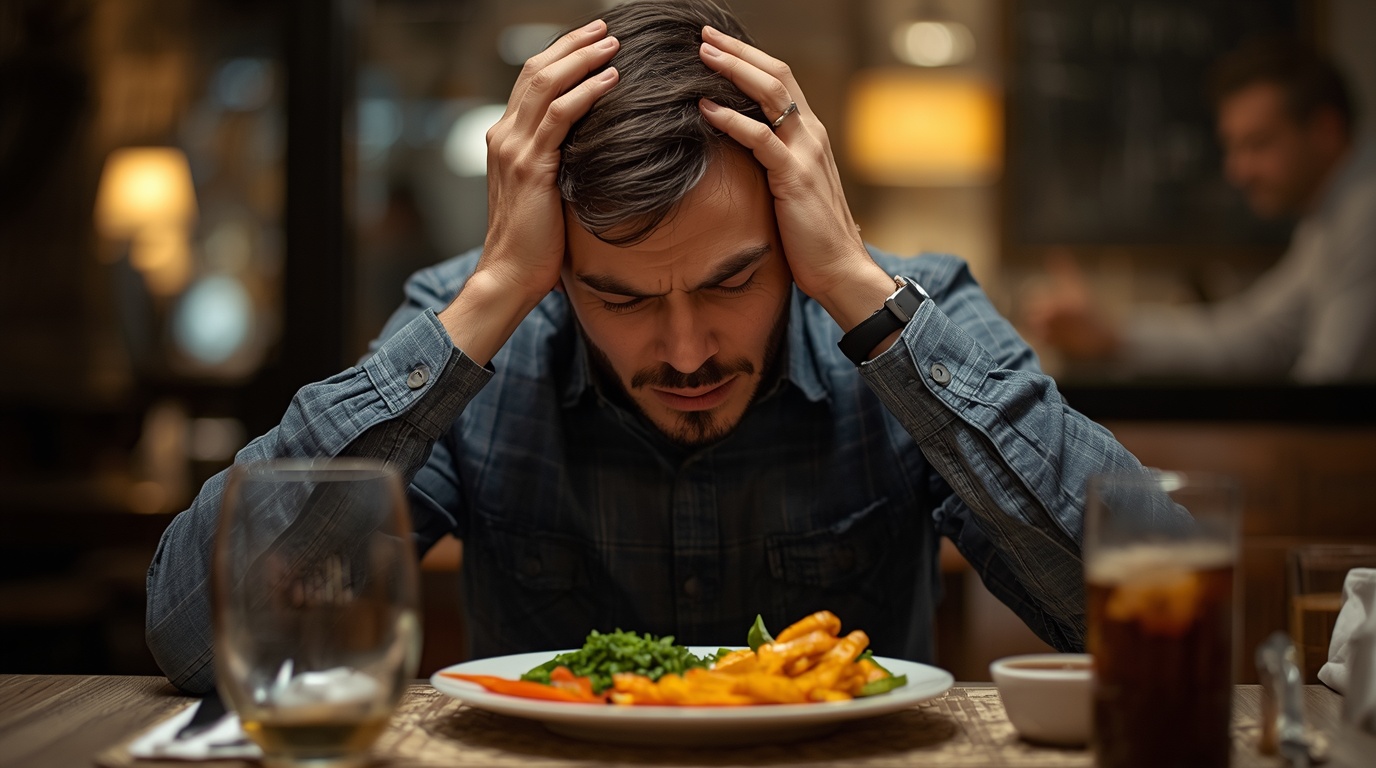
Feeling tired after a large holiday feast is expected. But when overwhelming fatigue appears after an ordinary meal, especially if it happens frequently, it can be confusing and concerning.
The good news is that post-meal tiredness is often linked to understandable biological processes. Your body undergoes several changes after eating, including shifts in blood flow, hormone release, blood sugar regulation, and digestive activity. Sometimes these changes can leave you feeling sleepy, sluggish, and mentally foggy.
In this article, we'll explore why sudden tiredness after eating happens, what it feels like, common and uncommon causes, warning signs to watch for, and practical ways to reduce it naturally.
What Does This Symptom Feel Like?
People describe post-meal fatigue in different ways. It isn't simply "feeling relaxed" after eating. It can feel much more intense.
Common descriptions include:
- A sudden energy crash shortly after eating
- Heavy eyelids and an urge to nap
- Difficulty concentrating or thinking clearly
- Mental fogginess
- Feeling physically weak or sluggish
- Reduced motivation to work or exercise
- A sensation of being "drained"
- Needing caffeine just to stay awake
For some people, the fatigue appears within 20 to 30 minutes of eating. For others, it may develop gradually over one to three hours.
The severity can vary from mild drowsiness to overwhelming exhaustion that disrupts daily activities.
Is It Normal to Feel Tired After Eating?
To a certain extent, yes.
Digestion requires energy. After eating, your body begins a complex process involving the stomach, intestines, pancreas, liver, hormones, nerves, and blood vessels.
This increased digestive activity can naturally create a mild feeling of relaxation or sleepiness.
However, if you regularly experience extreme fatigue after normal-sized meals, it may indicate that certain biological processes are becoming exaggerated or that an underlying condition is contributing to the problem.
Why This Happens in Your Body
To understand post-meal fatigue, it helps to know what happens inside your body after you eat.
Blood Flow Shifts Toward Digestion
After a meal, your digestive organs become highly active. Blood flow increases to the stomach and intestines to support digestion and nutrient absorption.
Although the brain continues receiving adequate blood supply, the overall redistribution of energy resources toward digestion may contribute to feelings of sluggishness in some individuals.
Insulin Is Released
When carbohydrates are consumed, blood sugar rises. In response, the pancreas releases insulin.
Insulin helps move glucose from the bloodstream into cells where it can be used for energy.
If blood sugar rises rapidly and then falls quickly afterward, some people experience fatigue, weakness, and brain fog.
Sleep-Related Brain Chemicals Increase
Certain foods can influence neurotransmitters involved in sleep and relaxation.
For example, insulin promotes the movement of amino acids into muscles while leaving more tryptophan available in the bloodstream.
Tryptophan is used to produce serotonin and melatonin, two chemicals associated with calmness and sleep regulation.
The Parasympathetic Nervous System Activates
Your body has a built-in "rest and digest" system called the parasympathetic nervous system.
After eating, this system becomes more active, encouraging digestion, nutrient absorption, and energy storage.
This shift can naturally make you feel more relaxed and less alert.
Common Causes of Extreme Tiredness After Eating
Most cases of post-meal fatigue are linked to everyday factors rather than serious disease.
1. Eating Large Meals
The larger the meal, the harder your digestive system must work.
Large meals often cause:
- Greater insulin release
- More digestive activity
- Increased blood flow to digestive organs
- Higher calorie intake
The result can be a noticeable energy slump.
Meals rich in carbohydrates and fats are especially likely to trigger fatigue.
2. Blood Sugar Fluctuations
One of the most common reasons for post-meal tiredness is rapid blood sugar changes.
Foods such as:
- White bread
- Pastries
- Sugary beverages
- White rice
- Desserts
- Sweet breakfast cereals
can cause blood sugar to rise quickly.
The body responds with insulin release. In some people, blood sugar then falls rapidly, leading to:
- Fatigue
- Dizziness
- Weakness
- Difficulty concentrating
3. Poor Sleep the Night Before
If you are already sleep-deprived, digestion may expose your body's hidden exhaustion.
A person running on insufficient sleep often feels relatively functional while active and moving around.
After eating, when the body naturally shifts toward relaxation, accumulated sleep debt can suddenly become obvious.
4. Dehydration
Even mild dehydration can reduce energy levels.
Many people mistake dehydration-related fatigue for food-related fatigue.
If fluid intake is inadequate throughout the day, tiredness after meals may become more noticeable.
5. Heavy Fat Consumption
Fat-rich meals take longer to digest.
Examples include:
- Fried foods
- Fast food
- Cream-based dishes
- Large portions of cheese
- High-fat desserts
These meals can create prolonged feelings of fullness and sluggishness.
6. Alcohol Consumption
Even small amounts of alcohol consumed with meals can contribute to drowsiness.
Alcohol has sedative effects on the brain and can amplify normal post-meal sleepiness.
7. Circadian Rhythm Effects
Your body's internal clock naturally creates periods of lower alertness during the day.
Many people experience an afternoon energy dip between early afternoon and late afternoon.
If lunch coincides with this biological low point, fatigue may feel much stronger.
Hidden Triggers People Often Ignore
Several overlooked factors may contribute to post-meal exhaustion.
Eating Too Quickly
Fast eating can cause larger blood sugar spikes and digestive discomfort.
People who eat rapidly may consume more food before feeling full, increasing the likelihood of fatigue.
Skipping Breakfast
Skipping meals can affect blood sugar regulation.
When a large lunch follows a long period without food, blood sugar fluctuations may become more dramatic.
Sedentary Lifestyle
Regular physical activity improves insulin sensitivity and energy regulation.
People who spend most of the day sitting may experience more noticeable post-meal fatigue.
Chronic Stress
Stress hormones influence digestion, blood sugar control, and sleep quality.
Persistent stress can make energy crashes more likely.
Poor Meal Balance
A meal consisting mostly of refined carbohydrates may cause stronger fatigue than a meal containing:
- Protein
- Fiber
- Healthy fats
- Complex carbohydrates
Balanced meals tend to produce steadier energy levels.
Less Common but More Serious Causes
Sometimes frequent post-meal fatigue may signal an underlying medical issue.
Type 2 Diabetes
Persistent tiredness after meals can occur when the body struggles to regulate blood sugar effectively.
Additional symptoms may include:
- Excessive thirst
- Frequent urination
- Blurred vision
- Slow wound healing
- Unexplained weight changes
Prediabetes
Even before diabetes develops, insulin resistance can cause significant blood sugar fluctuations and fatigue.
Many individuals remain unaware they have prediabetes until symptoms become noticeable.
Anemia
Anemia occurs when the body cannot transport oxygen efficiently.
Digestion requires energy, and people with anemia may feel especially exhausted after meals.
Other signs include:
- Pale skin
- Shortness of breath
- Weakness
- Dizziness
Thyroid Disorders
An underactive thyroid slows metabolism and reduces overall energy production.
Fatigue may become particularly noticeable after eating.
Food Intolerances
Some individuals experience fatigue as part of a reaction to certain foods.
Possible triggers include:
- Gluten sensitivity
- Lactose intolerance
- Certain food additives
Digestive symptoms often accompany the tiredness.
Sleep Apnea
People with untreated sleep apnea may experience profound daytime fatigue.
Meals can reveal underlying sleep deprivation that already exists.
Chronic Fatigue-Related Conditions
Various chronic illnesses may contribute to overwhelming tiredness, including inflammatory and autoimmune conditions.
Myths vs Facts
Myth: Feeling sleepy after eating means your blood goes entirely to your stomach.
Fact: Blood flow to digestive organs increases, but your brain still receives the blood it needs. Multiple factors contribute to fatigue.
Myth: Only large meals cause post-meal tiredness.
Fact: Even normal-sized meals can trigger fatigue if blood sugar regulation, sleep quality, or other factors are involved.
Myth: Post-meal fatigue always means diabetes.
Fact: Diabetes is only one possible explanation. Many harmless causes exist.
Myth: Coffee is the only solution.
Fact: Improving meal composition, hydration, sleep, and physical activity often helps more than caffeine.
Myth: It happens only in older adults.
Fact: Post-meal fatigue can occur at any age.
When to Worry (Red Flags)
Most cases are not dangerous, but certain symptoms deserve medical attention.
Seek evaluation if tiredness after eating is accompanied by:
- Unexplained weight loss
- Frequent fainting
- Severe dizziness
- Chest pain
- Shortness of breath
- Persistent excessive thirst
- Frequent urination
- Blood in stool
- Persistent digestive symptoms
- Extreme weakness
- Rapid heartbeat
These symptoms may indicate a condition that requires professional assessment.
When to See a Doctor
Consider consulting a healthcare professional if:
- The fatigue is severe or worsening
- It occurs after nearly every meal
- It interferes with work or daily activities
- You experience additional concerning symptoms
- Lifestyle changes do not improve the problem
- The symptom appeared suddenly without explanation
A medical evaluation may help identify issues involving blood sugar regulation, nutritional deficiencies, thyroid function, sleep disorders, or other health conditions.
How to Manage or Reduce This Symptom Naturally
If no serious underlying condition is present, several lifestyle strategies may help reduce post-meal fatigue.
Eat Smaller Meals
Smaller portions often place less stress on digestion and may reduce energy crashes.
Choose More Complex Carbohydrates
Focus on foods that release energy more gradually.
Examples include:
- Whole grains
- Beans
- Vegetables
- Oats
- Lentils
Increase Protein Intake
Protein can help stabilize energy levels and reduce rapid blood sugar fluctuations.
Add Fiber
Fiber slows digestion and promotes steadier glucose absorption.
Stay Hydrated
Consistent hydration supports circulation, metabolism, and energy production.
Get Better Sleep
Addressing sleep quality may significantly improve daytime energy.
Many cases of post-meal fatigue become less noticeable when sleep is adequate.
Take a Short Walk
Light physical activity after meals may improve circulation and blood sugar regulation.
A brief walk can often reduce feelings of sluggishness.
Reduce Excess Sugar
Limiting highly refined sugary foods may help prevent energy spikes and crashes.
Manage Stress
Stress management techniques such as relaxation exercises, mindfulness practices, and regular physical activity may improve overall energy regulation.
Could Certain Foods Be Making You Sleepy?
Some foods naturally contain compounds associated with relaxation and sleep.
Examples include:
- Turkey
- Milk
- Eggs
- Nuts
- Bananas
However, these foods alone rarely cause dramatic fatigue.
The overall composition of the meal, blood sugar response, and your current sleep status usually play much larger roles.
Why Some People Experience This More Than Others
Human metabolism is highly individualized.
Factors influencing post-meal fatigue include:
- Genetics
- Insulin sensitivity
- Age
- Sleep quality
- Physical activity levels
- Body composition
- Stress levels
- Gut health
This explains why two people can eat the same meal while one feels energized and the other feels ready for a nap.
The Bottom Line
Feeling suddenly exhausted after a normal meal can be frustrating, especially when it happens repeatedly. In many cases, the cause is related to normal digestive processes, blood sugar changes, meal composition, inadequate sleep, dehydration, or lifestyle habits.
Your body undergoes remarkable physiological changes after eating. Digestion activates hormones, shifts energy use, influences neurotransmitters, and alters blood sugar regulation. For some people, these changes create a temporary but noticeable energy slump.
While occasional post-meal tiredness is usually harmless, persistent or severe fatigue should not be ignored—especially when accompanied by symptoms such as excessive thirst, unexplained weight changes, dizziness, or other concerning signs.
Paying attention to meal patterns, sleep quality, hydration, stress levels, and overall health can often reveal the reason behind the fatigue. Small adjustments in daily habits may make a surprisingly large difference in how energized you feel after eating.
Understanding what your body is trying to tell you is the first step toward restoring steady energy and enjoying meals without the unwanted crash afterward.