
Your thenar muscles evolved for precision pinches and tool use. Flat screens and resting thumbs leave them under-loaded. Here's the science and simple fixes.
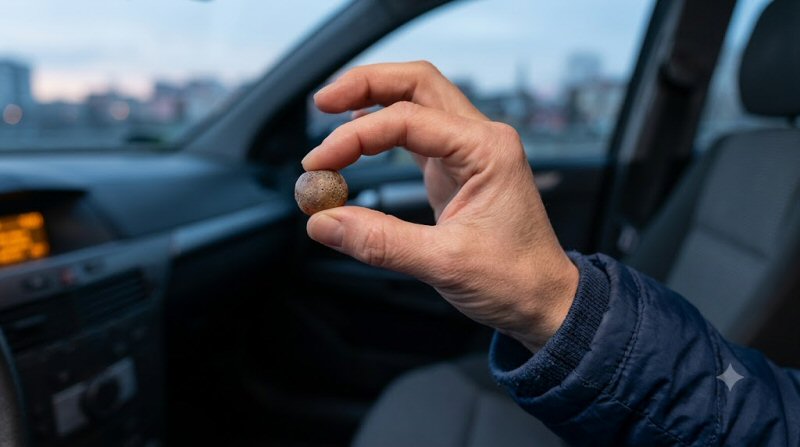
You notice a dull ache or stiffness at the base of your thumb after a long day of scrolling, typing, or holding a phone. The fleshy pad—the thenar eminence—feels tight when you try to open a jar or pinch a pen. It is not dramatic pain, just a quiet reminder that something small is missing. Most people shrug it off as “overuse,” but the real story is underuse of a motion your hands were built to perform many times a day.
The thenar muscles (mainly abductor pollicis brevis, flexor pollicis brevis, and opponens pollicis) sit at the base of the thumb. Their job is opposition: swinging the thumb across the palm so its pad meets the fingertips. This creates the precision pinch that lets humans thread a needle, hold a stone tool, or peel fruit. Anthropologist J.R. Napier showed in the 1950s that human prehensile grips depend on this opposition more than raw strength. Evolutionary morphologist Mary Marzke later detailed how the thenar pad and trapezium joint evolved for exactly these repeated, varied loads. Modern life rarely asks for them.
What This Quiet Tightness Feels Like
It usually starts as a mild stiffness when you first flex the thumb toward the little finger in the morning or after hours of phone use. The thenar pad may look slightly flatter or feel less springy when you press it. Opening a tight lid or buttoning a cuff can require extra effort. Some people notice a faint click or a brief ache that settles once they move the thumb through its full arc. The sensation is local—rarely radiating past the wrist—and it improves with gentle motion rather than rest alone.
Why Your Thenar Pad Still Expects Real Opposition
For most of human history, hands spent the day gripping, pinching, twisting, and releasing objects of different shapes and textures. Opposition was not an occasional exercise; it was the default way to handle food, tools, children, and clothing. The thenar muscles and the saddle joint at the base of the thumb adapted to that frequent, moderate loading. When the thumb stays mostly extended or lightly flexed against a flat glass surface, the muscles receive little of the stretch-shortening cycle they expect.
Napier distinguished power grips (whole hand) from precision grips (thumb-to-fingertip). The latter relies on the thenar group to position and stabilize the thumb. Without regular opposition, the muscles shorten slightly and the joint capsule loses some of its habitual glide. The result is the familiar “base-of-thumb fatigue” that appears after scrolling rather than after chopping vegetables. This is the same mismatch described in articles about thumbs that still expect to pinch and hang and palms that still expect gripping and textured surfaces.
Common Everyday Triggers
Long sessions of one-handed phone scrolling keep the thumb in a slightly flexed, non-opposed posture. Typing on a flat keyboard or laptop trackpad does the same. Holding a steering wheel with the thumbs resting on the rim, or cradling a tablet for reading, reduces the need for active opposition. Even “resting” the hands on a desk with thumbs extended outward can leave the thenar group under-stimulated for hours. The common thread is sustained low-load positioning rather than brief, varied pinches.
Less Common but Worth Noting
True thenar atrophy or marked weakness can appear with carpal tunnel syndrome or cervical radiculopathy, but these usually bring numbness, night waking, or radiating symptoms that pure underuse does not. Osteoarthritis at the thumb base (first carpometacarpal joint) is common after middle age and can stiffen the same region; it tends to hurt more with pinch than with simple rest. If the pad looks visibly hollow or the thumb drifts into a permanent flexed posture, medical review is sensible. For most people the stiffness is mechanical underuse, not nerve or joint disease.
Hidden Triggers You Might Miss
Cold hands reduce muscle efficiency and make the thenar pad feel stiffer until it warms. Sleeping with the wrists flexed or thumbs tucked can leave residual tightness in the morning. High caffeine or stress can increase low-level muscle tone, so the thenar group stays slightly contracted even at rest. Poor lighting that forces you to hold a phone closer also increases the time spent in a static pinch-like posture. None of these are dramatic, yet each reduces the natural variety the muscles expect.
When to Worry
Seek evaluation if you develop true numbness in the thumb and index finger, night pain that wakes you, visible wasting of the thenar pad, or weakness that makes you drop objects. Sudden swelling, redness, or inability to move the thumb after a fall or twist also needs prompt attention. Gradual stiffness that eases with movement and has no neurological symptoms is almost always the everyday mismatch described here.
Myths vs Facts
Myth: Thumb-base ache always means arthritis or “texting thumb” that requires rest forever.
Fact: Most cases improve when you restore occasional opposition and varied grip rather than immobilizing the hand.
Myth: Strengthening the whole forearm will automatically fix the thenar pad.
Fact: The thenar muscles respond best to specific opposition and pinch motions; general grip work helps but does not replace them.
Myth: If it doesn’t hurt badly, it is not worth changing.
Fact: Early stiffness is the body’s signal that the expected motion is missing; small daily doses of opposition prevent the stiffness from becoming a habit.
How to Give Your Thenar Muscles What They Expect
Spend one or two minutes a few times a day actively opposing the thumb: touch the thumb tip to each fingertip in turn, then press the thumb pad firmly against the side of the index finger. Hold a small object (a pen, a cloth, a piece of fruit) and roll or pinch it rather than just resting it in the palm. When you use a phone, switch hands and occasionally set the device down so both thumbs can open fully. These are the same motions that keep the related structures comfortable in people who still do regular precision work.
If you already feel tightness, a warm soak or gentle self-massage of the thenar pad for 30 seconds before the opposition drills often helps. Avoid forcing a painful range; the goal is comfortable, repeated motion, not maximum stretch. People who add these short sessions usually notice the morning stiffness lessen within a week or two.
When to See a Doctor
See a clinician if the stiffness is accompanied by numbness, night pain, dropping objects, or visible change in the shape of the thenar pad. A hand therapist or physician can distinguish simple underuse from early carpometacarpal osteoarthritis or nerve compression and, if needed, suggest splinting or targeted exercises. For the large majority of people the solution remains the same low-tech restoration of opposition.
FAQs
Is thenar stiffness the same as “texting thumb”?
Texting thumb usually refers to tendon irritation on the radial side of the wrist (de Quervain’s). Thenar stiffness is deeper in the pad itself and improves with opposition rather than with thumb-spica rest alone.
Can I just squeeze a stress ball?
A stress ball works the extrinsic flexors more than the intrinsic thenar muscles. Opposition to the fingertips and light pinch of varied objects are more specific.
Does this get worse with age?
The joint can become stiffer with age, but the muscular underuse component is reversible at any age with regular motion. Many older adults regain comfort simply by adding daily pinch tasks.
Should I stop using my phone?
No. Change the pattern: hold the phone in both hands sometimes, set it down between messages, and deliberately open and oppose the thumbs a few times each hour.
How is this different from general hand fatigue?
General fatigue often involves the forearm. Thenar-specific tightness is felt right at the base of the thumb and is relieved by opposition rather than by wrist stretches alone.
Conclusion
Your thenar muscles still expect the occasional precision pinch and full opposition that shaped human hands. Flat screens and resting postures quietly remove that demand, leaving a pad that feels stiff rather than springy. Restoring a minute or two of deliberate opposition each day is usually enough to remind the tissues of the motion they were built for. The ache is less a warning of damage than a request for the small, varied loads that used to be ordinary.


