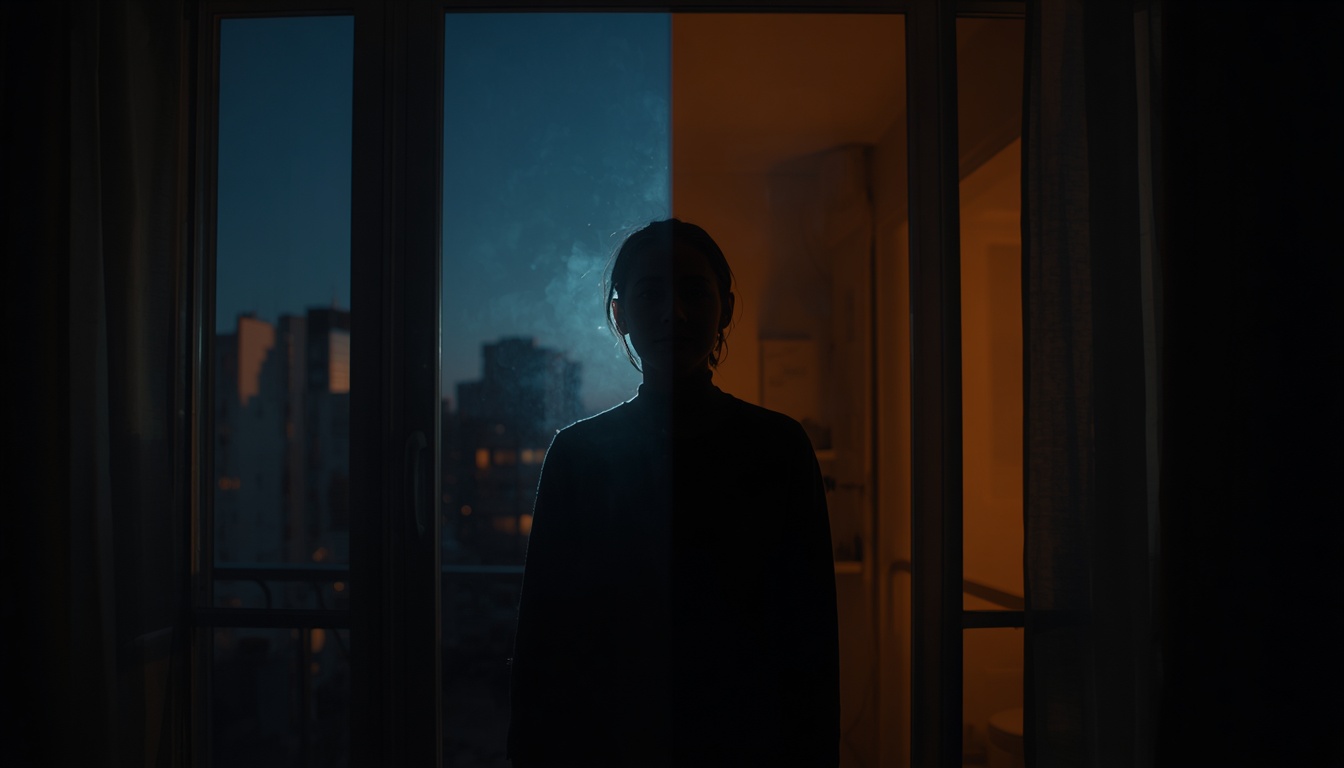
Sleep is not only a matter of hours in bed. It is the visible edge of a 24-hour timing system that evolved under a reliable pattern: bright, full-spectrum light by day and near-darkness after sunset. Specialized cells in the eye — not the ones that form images — report that pattern to a clock in the brain. The clock then times melatonin, core temperature, alertness, and a cascade of other rhythms.
That clock still expects the old pattern. Most modern environments deliver the opposite: relatively dim days spent under indoor lighting, then relatively bright evenings spent in front of screens and ceiling LEDs. The hours of sleep may look similar on a tracker. The timing signal that organizes those hours has changed.
What a Mismatched Light Diet Often Feels Like
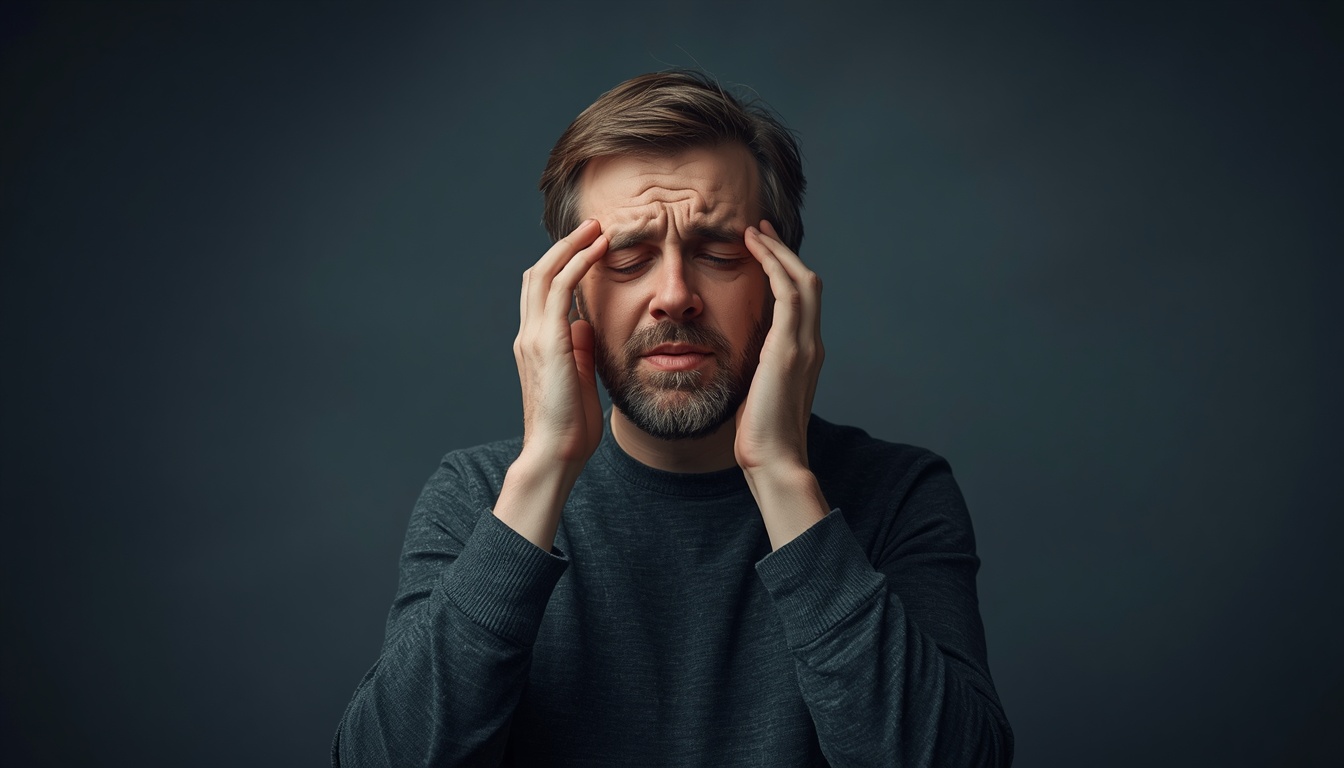
People describe difficulty falling asleep despite being tired, a second wind late at night, grogginess that lasts well into the morning, or a sense that weekends and weekdays belong to two different species of sleeper. Some feel alert at the wrong time — wired in bed, foggy at noon. Others notice mood flattening, sugar cravings in the evening, or a sleep schedule that drifts later unless they force it.
These experiences have many causes. Stress, caffeine, pain, and sleep disorders all matter. Light timing is the one cause that is both ancient in origin and unusually easy to change.
How the Circadian System Was Built
The master clock in the suprachiasmatic nucleus is reset each day primarily by light. Intrinsically photosensitive retinal ganglion cells respond especially to short-wavelength (blue-enriched) light and send a direct signal about environmental brightness.
Under ancestral conditions the signal was unambiguous. Daylight outdoors is orders of magnitude brighter than typical indoor lighting. Night was dark enough for melatonin to rise unimpeded. Dawn light advanced the clock; dusk darkness allowed it to express night physiology. Sleep consolidated in the dark phase not only because people were tired, but because the internal night had been clearly marked.
The system is conservative. It assumes the sun is the main timekeeper. Electric light is a recent, powerful substitute that the clock cannot distinguish from a very long dusk.
What Modern Lighting Changed
Several features of contemporary light exposure flatten or invert the day-night contrast:
- Indoor days. Offices and homes often provide a few hundred lux. Outdoor daylight can exceed ten thousand. The clock receives a weak “it is day” message.
- Bright evenings. Overhead LEDs, phones, televisions, and kitchen lighting provide a strong “it is still day” message after the sun has set.
- Late last exposure. The most sensitive window for delaying the clock is often the hours before habitual bedtime. That is exactly when many people receive their brightest indoor light.
- Weak or delayed morning light. Waking in a dark room, commuting in a car, and sitting under mild indoor light means the advance signal of dawn is missing or late.
- Irregular patterns. Shifted weekend timing, travel, and highly variable bedtimes add noise on top of a flattened amplitude.
The result is not always classic insomnia. It is often a clock that is slightly late, slightly uncertain, and less firmly coupled to local night.
Consequences of a Flattened Day-Night Signal
When the contrast between day and night light shrinks:
- Melatonin onset can delay, making sleep later than the schedule requires
- Morning alertness lags because the clock has not been firmly advanced
- Sleep may be shorter on work nights and rebound on free days (social jet lag)
- Metabolic and appetite rhythms that follow the clock can drift with it
- Mood regulation, which is tightly linked to circadian timing in many people, can feel less stable
- The same number of hours in bed can feel less restorative if they are misaligned with internal night
This does not mean electricity is an enemy. It means the timing and intensity of light are biological inputs, not just interior design.
Common Drivers and Hidden Triggers
Patterns that weaken circadian contrast include:
- Blackout mornings followed by bright-screen evenings
- Working in windowless or poorly daylit rooms
- Checking phones in bed, where even modest brightness is close to the eyes
- Late heavy meals and late exercise that further delay the clock in some people
- Consistent late caffeine, which can mask sleepiness without fixing timing
- Children’s and teens’ evening device use in already late-shifted biology
- Shift work and frequent time-zone changes, which challenge the system more extremely
A hidden trigger is “good sleep hygiene” that focuses only on the bedroom while leaving daytime light dim and evening light bright.
When to Pay Closer Attention
Consider light-timing mismatch if you notice:
- Sleep that reliably slides later unless you use an alarm and still feel unrefreshed
- A strong second wind after 10 p.m. under bright indoor light
- Weekend sleep that is much later than weekday sleep
- Morning fog that lifts only after you finally go outside
- Better sleep when camping or traveling somewhere with stronger natural light cycles
Sudden inability to sleep, loud snoring with pauses, gasping, marked daytime sleep attacks, or depression with severe insomnia deserve medical evaluation. Circadian hygiene complements care; it does not replace assessment of sleep apnea, restless legs, or mood disorders.
Myths vs Facts
Myth: If the room is dark enough at night, daytime light does not matter.
Fact: Darkness helps. A strong daytime signal is what defines night by contrast and keeps the clock aligned.
Myth: Blue-blocking glasses fix everything.
Fact: Reducing evening short-wavelength light can help. Morning outdoor light and overall 24-hour contrast usually matter more than any single accessory.
Myth: You can catch up on sleep and ignore timing.
Fact: Extra hours help in the short term. Persistent misalignment still leaves many people feeling off even after a long lie-in.
Myth: The clock is only about sleep.
Fact: Circadian timing influences alertness, hormone release, digestion, temperature, and mood. Sleep is the most obvious output, not the only one.
Myth: Teenagers are simply undisciplined.
Fact: Adolescent biology tends to shift later. Evening light and early school start times often amplify a real developmental change.
Practical Ways to Restore a Clearer Light Signal
Small, consistent timing changes often move the clock more than heroic weekend catch-up:
- Get outdoor light within the first hour after waking, even on cloudy days. Ten to thirty minutes helps many people.
- Brighten the actual daytime environment: sit near windows, take lunch outside, walk between indoor tasks.
- Dim household lighting in the last one to two hours before bed. Lamps beat overhead glare.
- Keep phones and tablets away from the face in bed, or use the lowest comfortable brightness.
- Hold a reasonably stable wake time, including weekends, if social jet lag is a main complaint.
- Use darkness as a cue: a dimmer bedroom and a consistent wind-down tell the clock that night has started.
- For night work or extreme schedules, seek specialized guidance; the same principles apply but the tactics differ.
Light is a lever. It works best when sleep opportunity, stress load, and medical issues are also addressed.
When to Seek Professional Guidance
Chronic insomnia, suspected sleep apnea, restless legs, bipolar-spectrum mood changes, or schedules that cannot be adjusted (certain shift patterns) are reasons to involve a clinician. Sleep medicine and behavioral sleep specialists can add structured therapy, timed light treatment, or other tools when household changes are not enough.
Children who cannot fall asleep for hours, and adults whose timing has drifted into a delayed pattern that wrecks work or school, also benefit from earlier help rather than years of fighting the clock alone.
Frequently Asked Questions
Is this the same as the sunlight and vitamin D article?
Related through light, different in mechanism. Vitamin D and skin responses depend on UV reaching skin. Circadian timing depends on visible light reaching specialized cells in the eye.
Do I need a dawn-simulator alarm?
Helpful for some, especially in dark winters. Outdoor morning light remains the stronger, free signal when it is available.
What about red night lights?
Dim, warm light is less likely to suppress melatonin than bright cool light. Darkness is still the cleanest night signal.
Can I fix a late clock only on weekends?
Occasional late nights happen. Repeated large swings teach the clock that timing is unreliable. A modest, consistent shift is usually more effective than a weekly reset.
Does caffeine ruin the whole system?
Caffeine can delay sleep onset and mask sleepiness. It does not replace light as the main time cue, but late doses make a delayed clock harder to live with.
Conclusion
Your sleep system was not designed for a world that is moderately bright around the clock. It was designed for a steep gradient: strong day, dark night, and a dawn that reliably pulled the clock forward. Indoor living inverted the contrast without asking the biology for permission.
The encouraging part is how plastic the system remains. Morning outdoor light, brighter days, and gentler evenings do not require a cabin in the woods. They require treating light as a daily nutrient with a clock-facing schedule. When the eyes report a clearer day and a clearer night, sleep often becomes less of a negotiation and more of a rhythm the body already knows how to keep.