
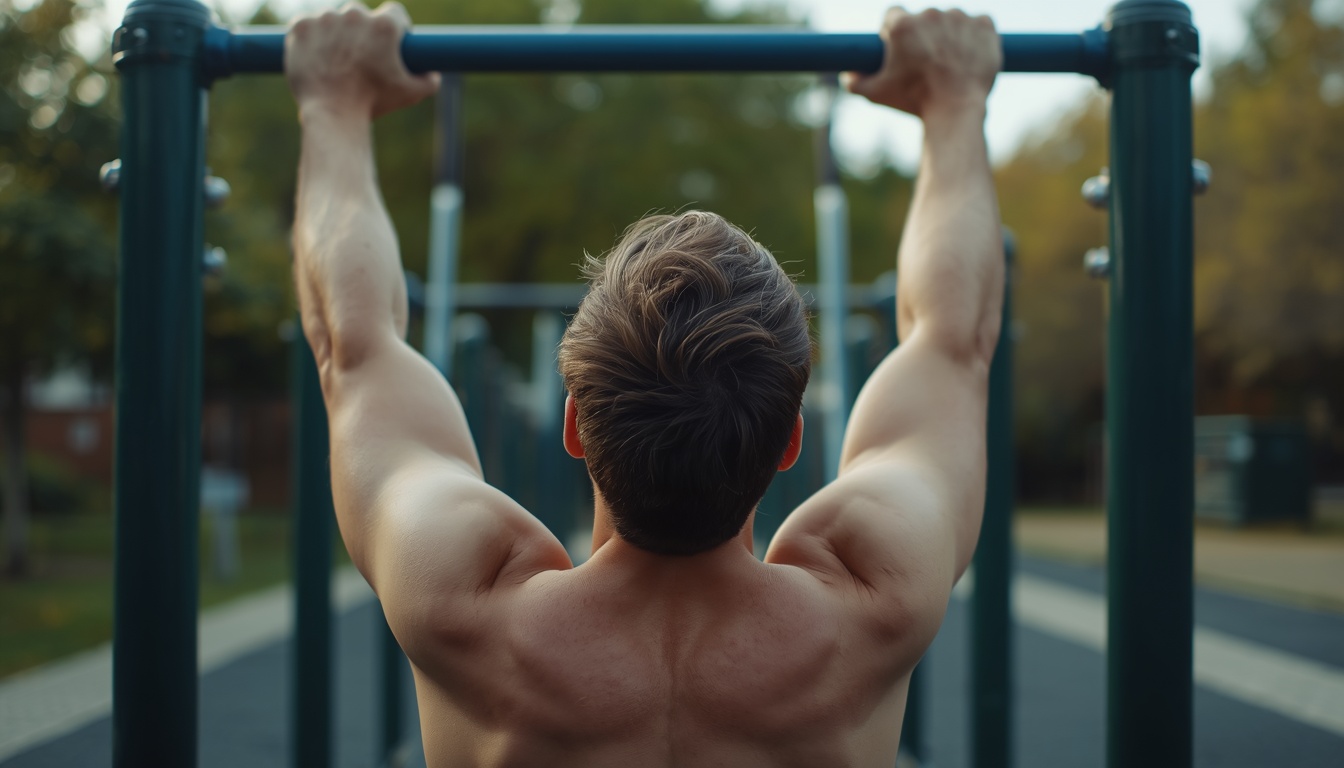
Your shoulder blades are not decorative plates glued to your back. Each scapula is a mobile triangle that slides, tilts, and rotates so the arm can reach a high branch, haul a child, throw a stone, or hang from a ledge. That mobility is the reason the human shoulder is so versatile — and the reason a week of keyboard posture can make the upper back feel like a stiff vest.
Modern life rarely asks the scapula to travel through its full neighborhood. We reach forward to screens. We rarely hang. We rarely climb. We rarely reach behind the body except to fasten a seatbelt. The blades still expect the older job: upward rotation when the arm goes overhead, posterior tilt when you hang, and a steady dance with the ribcage when you carry and pull.
When that dance is canceled, the shoulder does not quietly retire. The neck recruits. The rotator cuff works from a cramped starting position. The mid-back complains. Restoring a little hanging and reaching is not nostalgia. It is giving the scapula the motion it was built to practice every day.
What the Scapula Is For
The scapula sits on the back of the ribcage, connected by muscle rather than a tight bony joint. That arrangement lets it glide. Upward rotation of the blade is what lets the arm go overhead without pinching. Posterior tilt and external rotation of the scapula help the rotator cuff tendons clear the acromion. Retraction and protraction let you pull and push. Depression and elevation let you shrug and hang.
Anthropologists and anatomists who compare human shoulders with those of other primates note a package built for reaching in many directions and for occasional suspension. We are not full-time brachiators. We are creatures whose ancestors still climbed, hung, hauled, and threw. The scapula kept the hardware for that range even after we spent more hours on the ground.
Muscles that steer the blade — serratus anterior, lower and middle trapezius, rhomboids, levator scapulae — are endurance tissues. They like frequent, moderate work. They do not like being parked in a rounded, elevated shrug for ten hours, then asked to stabilize a heavy press at the gym.
The Modern Mismatch
Chairs and screens put the arms in front of the body for most of the waking day. The scapulae slide forward and tilt anteriorly. The mid-back flexes. The head follows. Over months, that resting position becomes the default map the nervous system uses when you finally reach for a suitcase in an overhead bin.
What dropped out of the day:
- Hanging from a branch, beam, or doorway for even a few seconds
- Reaching high to pick fruit, lift a pot from a high shelf, or climb
- Pulling the body toward something — a branch, a rope, a struggling animal, a stuck object
- Carrying loads at the side so the blade has to stabilize rather than slump
- Throwing or swinging, which demand upward rotation and timing
Gym time does not automatically fix this. A chest-dominant workout with little hanging or pulling can reinforce the same forward map. A pull-down done with a shrugged neck is not the same stimulus as a relaxed hang that lets the blade rotate and the latissimus lengthen under control.
Related patterns live in our articles on overhead reach, the upper back, and the rotator cuff.
Why the Shoulder Feels Crowded Without Scapular Motion
The ball of the arm bone needs a moving socket. If the scapula does not upwardly rotate and posteriorly tilt as the arm lifts, the space under the acromion narrows. People describe this as a pinch at the front or side of the shoulder at about eye level. The tendon is not “weak” in isolation. It is working in a smaller hallway.
Neck pain often tags along. Levator scapulae and upper trapezius become the stand-in stabilizers when lower trapezius and serratus are quiet. The neck then feels like it is holding the shoulder blades up all day — because, in a way, it is.
A clicking shoulder blade, a burning stripe along the inner border of the scapula, and a tired upper back after laptop work are frequent companions of a blade that no longer glides. The click is often the scapula not tracking smoothly on the ribcage, not a bone breaking.
Hidden Triggers
Small habits add up:
- A laptop that sits too low, so you crane and round at once
- Driving with the seat close and the arms reaching forward to a high wheel
- Sleeping curled tightly with the shoulder rolled under the ribs
- Bags always on the same side, hiking one scapula for years
- Avoiding overhead shelves because the first reach felt pinchy, which then makes the next reach worse
- Stretching only the chest while never training the blade to rotate up and around
Avoidance is understandable. It is also how a temporary pinch becomes a smaller world.
When to Worry
See a clinician promptly if shoulder or blade pain includes:
- Sudden loss of arm strength after a fall or yank
- Night pain that reliably wakes you, with swelling or fever
- A visible step-off at the joint after trauma
- Numbness, progressive weakness, or pain shooting down the arm with neck motion
- Chest pain, shortness of breath, or pain into the jaw — those are not scapula problems
A long-standing ache that worsens with reaching but improves with gentle motion is a different story. That pattern still benefits from a good exam if it lasts, especially if one arm is clearly weaker, but it is usually a loading and posture problem rather than an emergency.
Myths vs Facts
Myth: You must pull the shoulder blades hard together all day to have good posture.
Fact: Chronic squeezing can fatigue the rhomboids and ignore upward rotation. Scapulae need to move, not pose.
Myth: Hanging will wreck a sensitive shoulder.
Fact: A sudden dead-hang for two minutes after years of no overhead work can irritate tissue. A gradual, feet-assisted hang that stays below the pain line is how many shoulders recover range.
Myth: If the blade sticks out, you just need to “strengthen traps.”
Fact: A winged scapula often points to serratus anterior timing or a nerve issue. Random shrugging can make the picture messier.
Myth: Stretching the chest is enough.
Fact: Opening the front helps. The blade still has to learn to rotate, tilt, and control the arm through space.
How to Give the Scapula Its Old Job
Think frequent and gentle, not heroic.
- Reach high often. Once an hour, stand and reach both arms toward the ceiling as if you were placing a light box on a high shelf. Let the ribs stay quiet. Let the blades rotate up.
- Hang in pieces. A sturdy bar, rings, or a playground set works. Start with feet on the ground and only a fraction of body weight through the hands. Breathe. Let the shoulders rise toward the ears, then softly draw them down without crunching the neck. Ten to twenty seconds is a session at first.
- Pull something toward you. A band row, a towel pull, or a light hang-and-pull teaches retraction without turning it into a day-long squeeze.
- Reach behind. Fasten a necklace, slide a hand into a back pocket, or hold a towel behind the back and walk the hand up as comfort allows. That is the motion desks delete.
- Carry at the side. A grocery bag or suitcase in one hand asks the scapula to stabilize without hiking. Switch sides.
- Lie on the floor and slide the arms. On your back, slide the arms overhead along the floor. If they do not go far, that is information, not failure.
Stop short of sharp front-of-shoulder pinch. Mild stretch through the armpit and side of the chest during a hang is common. Pain that lingers or weakens the arm is a signal to regress and, if needed, get a skilled look.
Children on playground bars are doing scapular physical therapy without naming it. Adults can borrow two minutes of the same idea without joining a climbing gym.
When to See a Doctor or Therapist
Book help if overhead reach keeps shrinking, if one blade visibly wings, if night pain persists, or if a trainer’s cues have not changed the pinch after several weeks of sensible loading. A physical therapist who watches you raise the arm can often see whether the scapula is late to rotate. That is more useful than a generic “strengthen your back” handout.
Imaging is not the first step for every tired upper back. Function first, pictures when the story or the exam says they will change the plan.
FAQs
Can I hang if I have a history of shoulder impingement?
Often yes, if you start with feet supported and a small amount of weight, and you stay below the pinch. Some people do better with a slightly wider grip or a slight lean. A therapist can set the starting dose.
How long should a hang last?
Begin with 10–20 seconds, a few times a day. Time under a bar is not a contest. Consistency beats a single long hang that leaves you sore for a week.
Is a doorway hang safe?
Only if the frame and your setup are truly secure. A tested bar or playground equipment is simpler. Do not trust a loose trim board.
Why does my neck tighten when I try to hang?
The upper traps are used to doing the job. Practice letting the arms hold you while you exhale and soften the jaw. Feet on the floor reduces the panic response.
Will this fix a rounded upper back by itself?
Hanging and reaching help the blades and the thoracic spine share motion. Sitting less and walking more still matter. No single drill rewrites a decade of chair time overnight.
Conclusion
Your scapulae are travel-ready bones living in a stay-at-home job. They still expect to rotate up, tilt back, and occasionally hang from something solid. Desk life does not delete that expectation. It only postpones it until a suitcase, a sport, or a sudden reach reminds you.
You do not need to live in a forest. You need a few honest overhead seconds, a little hanging with your feet still on the planet, and the habit of reaching behind you as if the world still had zippers and high shelves. The blades remember the map. They are waiting for a reason to use it.