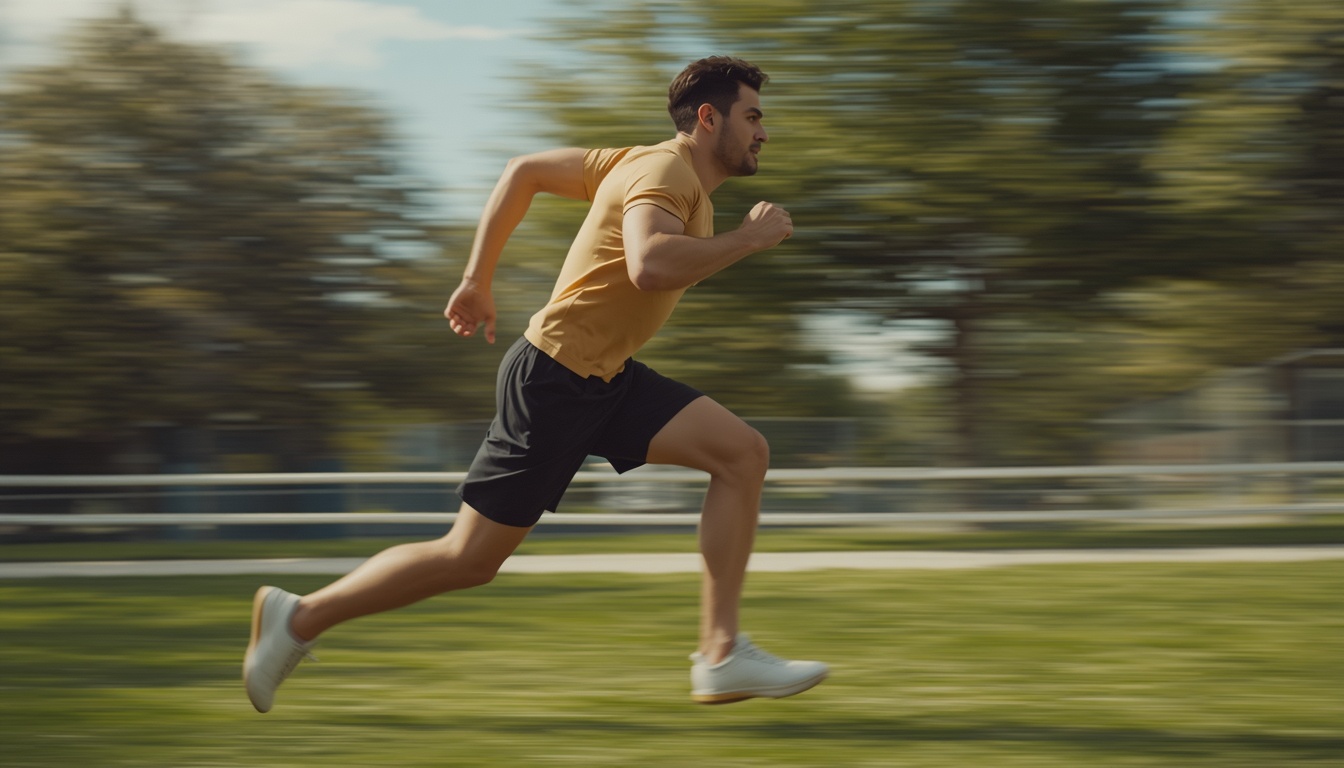

Insulin is usually introduced as a sugar hormone — the thing that rises after a meal and “puts glucose away.” That sentence is true and incomplete. The tissue that was supposed to take most of that glucose during the day is not fat and not the liver. It is skeletal muscle. Gerald Reaven spent decades arguing that the modern metabolic story is less about how much insulin you make and more about whether muscle still answers the call.
The hormone did not change when chairs replaced walking. The doors it opens still work. What changed is how often those doors are asked to open while you sit.
What Insulin Is Actually For
Insulin is a peptide made in pancreatic beta cells. After a mixed meal, glucose and incretin hormones raise its release within minutes. The hormone binds the insulin receptor on muscle, fat and liver. Downstream of that receptor, a cascade that C. Ronald Kahn’s group mapped in extraordinary detail moves the glucose transporter GLUT4 from intracellular vesicles to the cell surface.
In muscle, that translocation is the point. Skeletal muscle can dispose of the majority of an oral or intravenous glucose load in a healthy adult. Ralph DeFronzo’s clamp studies made the arithmetic blunt: if muscle insulin action falls, the same meal needs more insulin, for longer, to keep the same blood glucose. The beta cell can compensate for years. Compensation is not the same as health.
There is a second door. Contraction itself — independent of insulin — also moves GLUT4 to the membrane. Jørgen Wojtaszewski and Erik Richter in Copenhagen, and Laurie Goodyear in Boston, showed that AMPK and calcium-related signals from working muscle recruit a partly overlapping, partly separate pool of transporters. A walk after a meal is not a wellness slogan. It is a second key the cell still carries.
The Day the Hormone Still Assumes You Have
For most of human history, a meal was followed by movement. Gathering, carrying, walking back, standing, squatting, climbing. Muscle was warm, perfused and electrically active while glucose was arriving. Insulin did not have to do the whole job alone. Contraction-stimulated uptake took a share. Local blood flow delivered the hormone to more capillaries. Glycogen that had been spent in the morning had empty shelves to refill.
John Holloszy’s work on muscle adaptation, and later studies of glycogen synthase after a bout of activity, showed why this pairing is efficient. Empty glycogen is a sink. Full glycogen is a closed shop. A day of sitting leaves muscle glycogen relatively high in the large locomotory muscles. The next meal then meets a tissue that is both insulin-resistant in the short term and poorly perfused.
Amira Klip’s cell work and DeFronzo’s human clamps converge on the same picture: insulin resistance in muscle is often a trafficking and blood-flow problem before it is a receptor-count problem. The receptors are there. The vesicles do not dock as readily. The capillaries do not open as widely. Sitting is a reliable way to produce that state for a few hours. Repeat the hours and the state starts to look like a diagnosis.
Why a Desk After Lunch Is a Different Brief
Post-meal sitting does three unhelpful things at once.
First, it removes the contraction signal. GLUT4 that could have been summoned by AMPK stays inside. The insulin-only pathway has to carry the whole load.
Second, it reduces limb blood flow. Insulin itself is a vasodilator in healthy muscle — a fact Eugene Barrett and Michael Clark and others spent years proving. That dilation is blunted when the limb is still and when endothelial nitric oxide is already quiet from a morning of sitting. Less flow means less hormone delivered per minute to the very tissue that needs it.
Third, it leaves the largest glucose sink half-asleep while the liver and fat cells remain available. Fat can store the overflow. The liver can make more triglyceride. Neither of those outcomes is what a hunter-gatherer afternoon required after a tuber or a piece of meat.
This is why a 10- to 15-minute walk after eating so reliably flattens the glucose curve in people who still have working beta cells. It is also why the same walk helps less, or helps differently, once muscle insulin action is already badly damaged. The second key still exists. The lock rusts if it is never used.
The same logic sits behind the article on why blood sugar still expects a walk after meals. Glucose is the visible number. Insulin and GLUT4 are the machinery behind it.
The Clock in the Muscle Cell
Muscle is not a passive bag of protein. It has clocks. BMAL1 and the rest of the core loop change insulin signaling, glycogen handling and lipid oxidation across the day. Karyn Esser’s work, and later studies from the Dyar and Zierath groups, showed that muscle is more insulin-responsive in the active phase. A large late dinner meeting a quiet, evening muscle is a different metabolic event from the same calories at midday after a morning of loading.
That is one reason shift work and late eating raise diabetes risk even when total calories look similar. The hormone arrives on time. The tissue’s willingness to listen is on a different schedule. The companion piece on why muscle clocks still expect daytime load is the same story told from the clock side rather than the insulin side.
Hidden Modern Triggers
Several ordinary habits amplify the mismatch without looking like “diet problems.”
Sitting in unbroken hours after the largest meal of the day. The meal can be “healthy.” The stillness is the miss.
Very low muscle mass in the legs and hips. Insulin action scales with the size of the sink. A year of avoiding stairs is a year of shrinking the organ that was supposed to catch the glucose.
Sleep loss. Even a few short nights raise next-day insulin resistance in muscle. Eve Van Cauter’s group and others showed the effect is rapid and reversible — which is another way of saying the tissue is still listening to last night.
Evening light and a late last bite. The pancreas still fires. The muscle clock is already winding toward overnight repair, not toward glycogen refill. The article on why the pancreas still expects chewing and time covers the briefing the beta cell wanted before the glucose arrived. This article is about who was supposed to catch it afterward.
Chronic high insulin itself. Hyperinsulinemia is not only a compensation. It can down-regulate the very pathways it is trying to drive. Reaven called the resulting cluster Syndrome X. The name changed. The physiology did not.
When the Pattern Is No Longer “Just Sitting”
Insulin resistance is common and often quiet. It is not the same as a medical emergency. It is also not something to romanticize as a harmless modern quirk.
See a clinician if thirst, frequent urination, unexplained weight change, recurrent infections, dark velvety skin patches (acanthosis nigricans), or a strong family history of type 2 diabetes sit beside a life of post-meal stillness. Fasting glucose, HbA1c and, when appropriate, a glucose tolerance test or fasting insulin give a clearer picture than any single home-monitor spike.
Type 1 diabetes, monogenic diabetes, pancreatic injury and steroid- or antipsychotic-related hyperglycemia are different stories. They are not fixed by a walk. They still benefit from movement where it is safe, but they need specific medical care.
Myths vs Facts
Myth: High insulin after a meal always means you ate “too much sugar.”
Fact: A mixed meal raises insulin. So does a large protein load. The problem is less the existence of the pulse than whether muscle took its share.
Myth: If your fasting glucose is normal, insulin action is fine.
Fact: Fasting glucose can stay in range for years while post-meal insulin climbs. Muscle resistance often shows first after food, not before breakfast.
Myth: Only formal exercise counts.
Fact: Contraction-stimulated GLUT4 translocation begins with ordinary walking and standing. Intensity adds adaptation over weeks. The first benefit after a meal is simply using the second key.
Myth: Fat is the main place insulin “stores sugar.”
Fact: Adipose tissue is insulin-responsive and important, but quantitative disposal of a glucose load in a healthy adult is dominated by muscle.
Myth: Once insulin resistance starts, walks no longer matter.
Fact: Early resistance often still responds to contraction. Advanced disease and insulin deficiency change the size of the effect. They do not erase the biology.
How to Give Insulin the Brief It Expects
You do not need a paleolithic costume. You need the pairing the receptors still assume.
Walk after the meal you actually eat. Ten to twenty minutes, most days, is a better default than a heroic Saturday session and five motionless dinners. Stairs and a loop around the block count.
Load the big muscles on most days. Squats to a chair, hills, carrying bags, a short strength session — anything that spends glycogen in thighs and glutes. Empty shelves refill more willingly.
Break sitting in the hours after lunch. Standing is not magic. It is better perfusion and a little electrical activity in the same muscles that were about to nap.
Keep the largest meal nearer the active part of the day when you can. The muscle clock and the insulin pulse then overlap instead of arguing.
Sleep enough nights in a row that the next day’s muscle is not starting from a sleep-loss tax. The hormone will still rise. The tissue will hear it more clearly.
Chew, slow the meal, and include protein and fiber so the glucose curve itself is less of a spike. That is courtesy to the beta cell. The walk is courtesy to the sink.
When to See a Doctor
Book care rather than another article if glucose readings are repeatedly high, if you have symptoms of hyperglycemia, if you are pregnant and glucose handling has changed, or if you already use insulin or sulfonylureas and want to add post-meal walking — because movement can drop glucose enough to need a plan. Children, unexplained weight loss and ketones are not “sit less” problems. They are same-week medical problems.
FAQs
Does a walk after every meal matter more than one gym session?
They do different jobs. The walk uses the contraction key while glucose is arriving. The gym session spends glycogen and improves insulin action over days. Most people need both patterns, not a choice between them.
Will standing at a desk replace the walk?
Standing raises energy use only a little. It is better than unbroken sitting and worse than walking for GLUT4 and limb flow. Use it as a break, not as the whole prescription.
Is this the same as “insulin resistance from eating carbs”?
Carbohydrate raises insulin. Muscle stillness determines how much extra insulin that rise requires. A high-carb meal followed by a hike and a high-carb meal followed by a sofa are not the same experiment.
Can I fix this only with supplements or a “glucose-support” drink?
No honest human clamp study has shown a capsule replacing contraction-stimulated uptake. Some products change a single home-monitor curve. They do not rebuild the daytime sink.
Why do some people have high insulin and a normal weight?
Muscle can be insulin-resistant while fat mass looks ordinary — a pattern Reaven emphasized. Family history, sleep, fitness and where fat is stored all matter. Weight is a crude proxy for the tissue that was supposed to take the glucose.
Does this apply if I already have type 2 diabetes?
Often yes, with medical guidance. Residual beta-cell function plus contraction still flattens many post-meal curves. Medication timing may need adjustment so the walk does not overshoot.
Conclusion
Insulin is not a villain that appeared with bread. It is a storage and traffic hormone that still expects the largest organ you own — muscle — to be awake in daylight when glucose arrives. Desks, late meals and short nights did not delete the receptors. They deleted the second key and the blood flow that used to share the work.
Give the meal a walk. Give the legs a reason to empty glycogen. Give the night enough sleep that tomorrow’s muscle can hear the hormone it still makes. The brief is older than the chair. The doors still open.