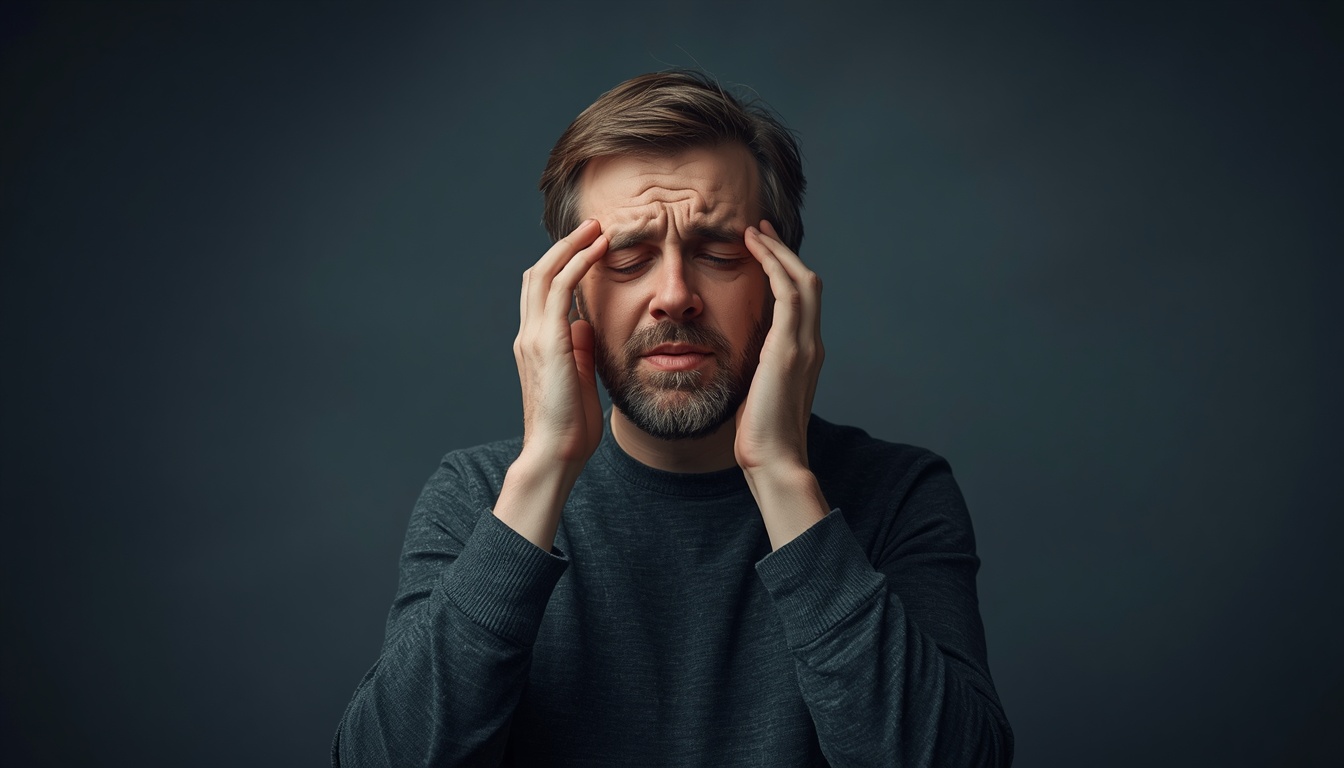
The vestibular system developed under constant, varied movement across uneven terrain. Modern life filled with flat floors, vehicles, elevators, and prolonged stillness reduces the natural stimulation these organs receive, contributing to dizziness, motion sensitivity, and balance issues that increase with age.
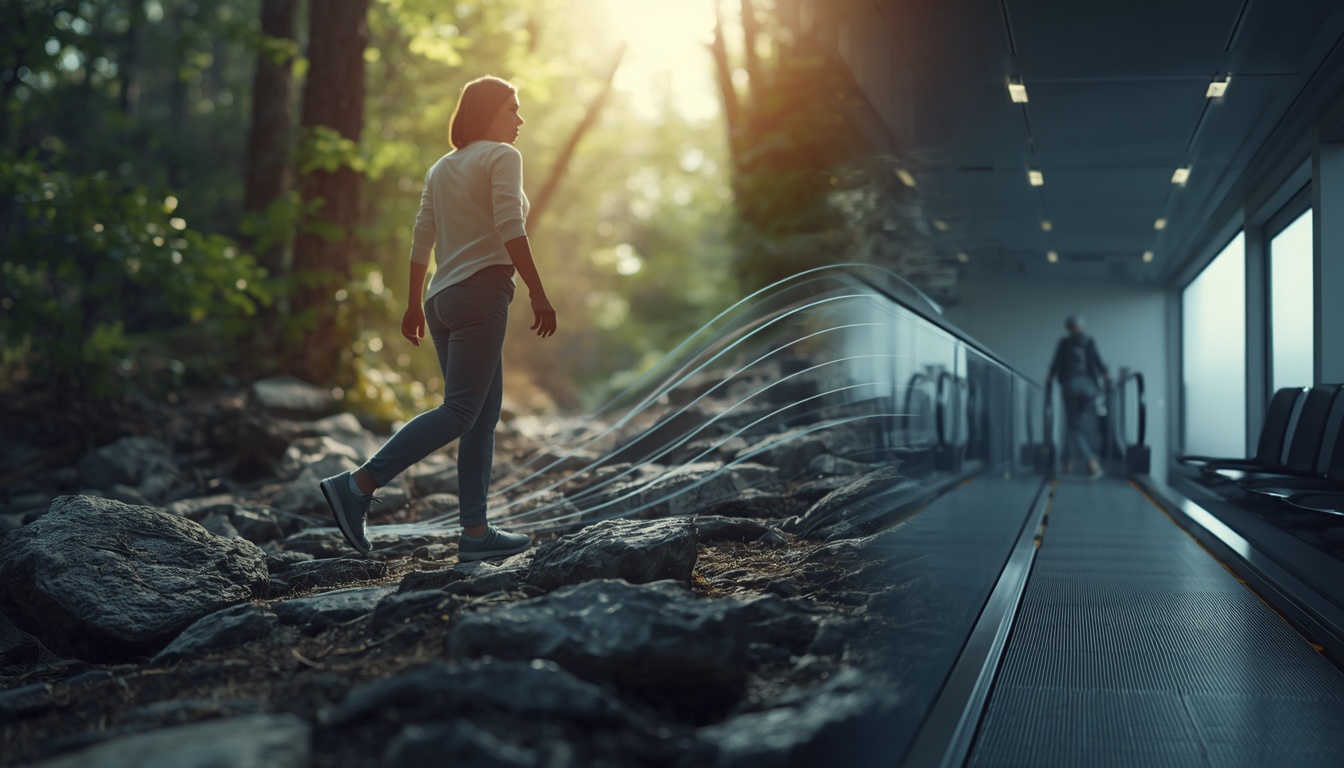
Deep inside the inner ear sit the vestibular organs — tiny structures that sense head movement, orientation relative to gravity, and acceleration. They form one of the oldest continuous sensory systems in vertebrates, refined over hundreds of millions of years to keep animals oriented and balanced in a moving world. In humans, this system developed under the constant, varied motion of walking, climbing, carrying, and navigating uneven natural terrain.
Modern environments have largely removed that rich motion diet. Flat floors, elevators, escalators, cars, trains, and long periods of stillness provide far less of the active, multidirectional stimulation the vestibular system evolved to process. The organs remain, but the daily training input they once received has diminished. Many balance complaints attributed solely to aging may also reflect decades of under-stimulating an ancient motion-sensing system.
What Reduced Vestibular Input Often Feels Like
People may notice a subtle sense of unsteadiness on uneven ground, greater sensitivity to certain types of motion (cars, boats, visual flow in busy environments), or a feeling of being “off” after rapid head movements. Dizziness when standing quickly, reduced confidence in the dark, or slower recovery from temporary imbalance are common. Some experience motion sensitivity that seems out of proportion to the actual movement involved.
These symptoms often worsen with age as the system naturally loses some hair cells and neural efficiency. Yet the trajectory is not fixed. A lifetime of reduced natural motion input can leave the system less robust when age-related changes begin, making ordinary activities feel more challenging than they need to be.
How the Vestibular System Was Shaped by Movement
The vestibular apparatus detects two main classes of information: rotational movement (via the semicircular canals) and linear acceleration plus gravity (via the otolith organs). This information is integrated with vision and proprioception to stabilize gaze, maintain posture, and orient the body in space.
Throughout most of human evolutionary history, the head and body experienced continuous, varied acceleration. Walking over irregular ground, changing direction, climbing, carrying loads, and moving at different speeds created a rich, active sensory stream. The system was not only detecting motion — it was being continuously calibrated by it.
Comparative and fossil evidence shows that vestibular morphology has shifted with changes in posture and locomotion. The human system is tuned for bipedal movement and the specific motion patterns that come with it. That tuning assumes regular practice.
What Modern Motion Patterns Changed
Contemporary life substitutes passive or highly constrained motion for the active variety the system expects:
- Flat, predictable surfaces. Indoor floors and paved ground remove the constant small adjustments required by uneven terrain.
- Passive transportation. Cars, trains, buses, and elevators move the body without the corresponding active muscular and sensory engagement of self-generated movement.
- Prolonged stillness. Hours of sitting or standing with minimal head and body motion reduce the ongoing stimulation the vestibular organs receive.
- Visual dominance. When vestibular input is under-used, the brain often leans more heavily on vision, which can increase visual motion sensitivity and discomfort in complex environments.
- Reduced playful and exploratory movement. Especially in childhood and adolescence, less rough-and-tumble, climbing, and varied locomotion means the system receives less developmental calibration.
The vestibular system remains capable of adaptation throughout life. The problem is that modern environments rarely demand that adaptation.
Consequences of Chronic Under-Stimulation
When the system receives limited varied input over years, several effects can accumulate:
- Reduced efficiency in integrating vestibular, visual, and proprioceptive signals
- Greater reliance on vision for balance, which becomes a liability in low light or visually complex settings
- Increased motion sensitivity in some people (the system is less practiced at interpreting certain accelerations)
- Faster functional decline when age-related hair-cell and neural losses begin
- Lower confidence and greater cautiousness around balance, which can further reduce movement and create a negative cycle
These changes are often subtle until a tipping point — an illness, a period of bed rest, or simply advancing age — makes them noticeable.
Common Drivers and Hidden Triggers
Factors that limit healthy vestibular stimulation include:
- Predominantly indoor, flat-floor lifestyles
- Heavy reliance on vehicles for even short distances
- Jobs or routines with long periods of head-still concentration
- Avoidance of activities that involve balance challenge or uneven ground
- Childhood and adult environments that minimize climbing, running on varied surfaces, and free movement
- Recovery from illness or injury that involves extended stillness without graded return to motion
Less obvious is the cumulative effect of decades spent almost entirely on level surfaces with minimal active head movement during daily travel.
When to Pay Closer Attention
Consider the role of under-stimulation if you notice:
- Unsteadiness that is worse on uneven ground or in the dark
- Motion sensitivity in cars, boats, or visually busy environments
- Dizziness or disorientation with rapid head turns
- Reduced confidence in balance that leads to further activity restriction
- Symptoms that improve temporarily with more varied movement and then return with prolonged stillness
- Balance concerns that seem earlier or more pronounced than expected for your age
Sudden, severe, or highly asymmetric symptoms require prompt medical evaluation to rule out acute vestibular or neurological conditions.
Myths vs Facts
Myth: Balance problems in midlife and beyond are almost entirely due to unavoidable aging.
Fact: Age-related changes occur, yet the robustness of the system is also shaped by lifelong patterns of use. Under-stimulation can accelerate functional decline.
Myth: If you don’t feel dizzy, your vestibular system is fine.
Fact: Many people have reduced vestibular contribution to balance without classic spinning vertigo. The deficit shows up as unsteadiness, visual dependence, or motion sensitivity.
Myth: The only way to train balance is specialized therapy exercises.
Fact: While targeted vestibular rehabilitation is valuable when needed, everyday varied movement on natural surfaces provides ongoing, low-level training the system was designed to receive.
Myth: Elevators, cars, and flat floors are neutral.
Fact: They are convenient, but they systematically reduce the active, self-generated motion signals the vestibular organs evolved to process.
Myth: Once balance declines, little can be done.
Fact: The vestibular system retains plasticity. Graded, consistent reintroduction of varied motion often improves function and confidence.
Practical Ways to Restore Natural Motion Input
The goal is regular, varied, self-generated movement that challenges orientation and balance in safe ways:
- Walk on uneven natural surfaces — trails, grass, gravel, sand — whenever possible.
- Include head movement and direction changes in daily walking rather than only straight-line, eyes-fixed travel.
- Reduce reliance on elevators and escalators for short vertical distances when stairs are an option.
- Practice simple balance challenges: standing on one foot, walking heel-to-toe, or slow controlled turns.
- Reintroduce playful or exploratory movement — gentle climbing, reaching, carrying objects over varied ground.
- After periods of illness or inactivity, return to motion gradually rather than remaining still longer than necessary.
- For those with existing sensitivity, begin with small doses of the tolerated movement and progress slowly.
Safety matters. People with significant dizziness, fall risk, or medical conditions should seek guidance before adding balance challenges.
When to Seek Professional Guidance
Sudden vertigo, severe imbalance, neurological symptoms, or dizziness accompanied by hearing changes, headache, or other concerning signs require medical assessment. Vestibular specialists and physical therapists trained in vestibular rehabilitation can evaluate function and provide targeted exercises when everyday movement is not enough or symptoms are limiting.
Early attention often prevents the cycle of reduced movement leading to further deconditioning.
Frequently Asked Questions
Is this the same as benign paroxysmal positional vertigo (BPPV)?
No. BPPV is a specific mechanical problem with otolith crystals. The broader issue discussed here is chronic under-stimulation and reduced resilience of the system as a whole.
Can children be affected by limited movement variety?
Yes. Varied locomotion and play help calibrate the system during development. Highly restricted movement environments may leave the system less robust.
Does driving count as vestibular stimulation?
Passive motion provides some input, but it lacks the active muscular engagement and self-generated acceleration patterns of walking and navigating terrain. It is not a full substitute.
How does this relate to the posture and foot articles?
Closely. Flat surfaces and supportive footwear reduce both proprioceptive and vestibular demands. Restoring varied terrain and natural movement loads benefits multiple sensory systems at once.
Can older adults still improve?
Yes. Research and clinical practice show that appropriately graded vestibular and balance training improves function and confidence well into later decades.
Conclusion
The vestibular system is an ancient motion detector shaped by a world of continuous, varied, self-generated movement across complex terrain. It still expects that kind of input. Modern flat surfaces, passive vehicles, elevators, and prolonged stillness deliver a much narrower motion diet.
Many of the balance and motion-sensitivity complaints that appear with age are not solely the product of inevitable decline. They also reflect a sensory system that has been asked to do less, for longer, than the conditions under which it evolved. The good news is that the system remains trainable. Reintroducing regular, varied, natural movement gives the inner ear more of the information it was built to use — and, in doing so, helps preserve the balance and spatial confidence that once came as a side effect of simply living in motion.