
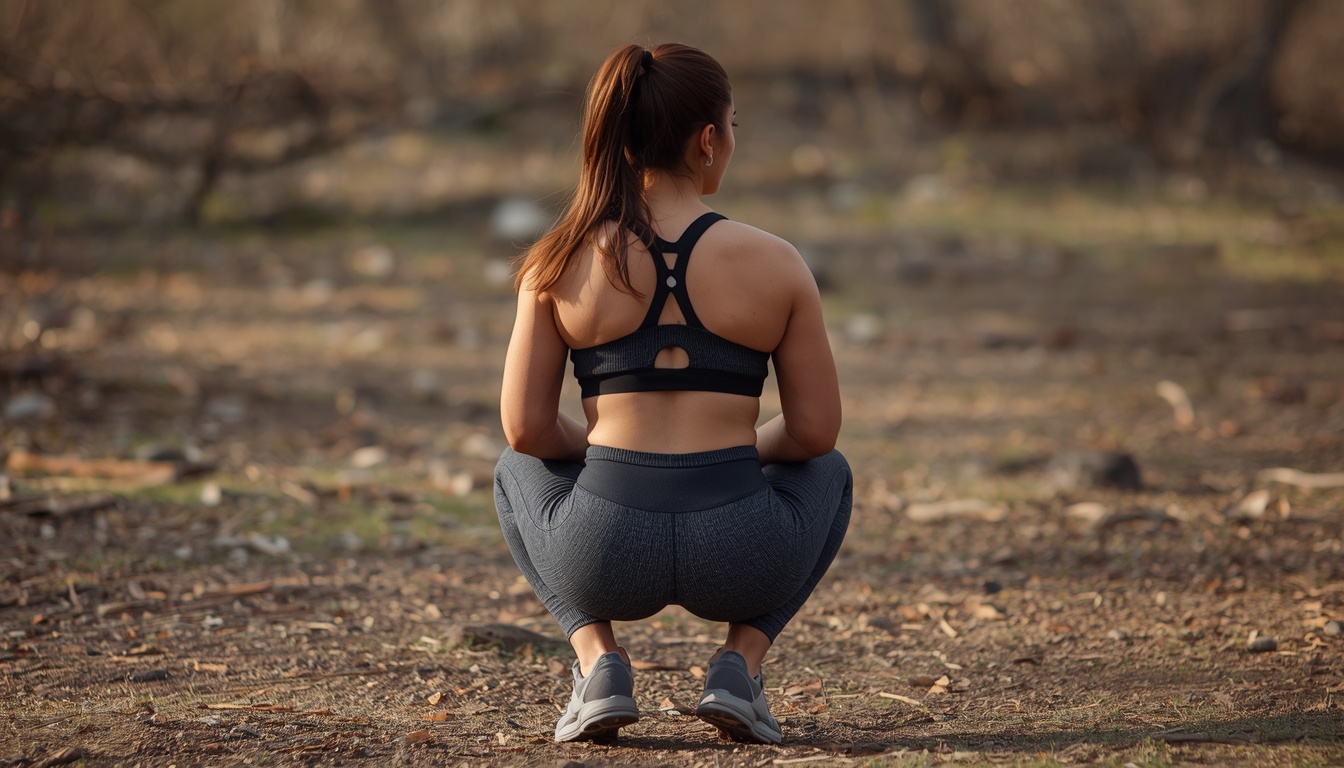
A chair is a recent invention. A hip that can fold until the thighs rest against the torso is not. Across most of human history people sat in a deep squat to rest, cook, tend a fire, talk, and use the ground as a toilet. The joint learned that range as a default, not as a gym trick.
Modern life parks the hip near 90 degrees of flexion for hours and rarely asks it to go further. The capsule shortens. The muscles that control the bottom of the squat lose their map. Getting off the floor starts to feel like a project.
That is the mismatch: a ball-and-socket joint built for depth, asked to live in a shallow hinge.
What a Depth-Starved Hip Feels Like
The first clue is often not pain. It is strategy. People lock the knees to pick something up. They roll onto one hip to stand from the floor. They avoid low chairs, floor play with children, or garden work that requires a long fold. Ankles and low backs take the motion the hips no longer own.
When discomfort does appear, it is often a pinch at the front of the hip in a lunge, tightness in the outer hip after sitting, or a stiff groin that never quite warms. Some feel it only when they try a squat and discover the heels lift or the torso collapses forward.
None of this automatically means arthritis or a labral tear. It is what unused end-range looks like in a joint that still expects it.
How the System Was Designed to Work
The hip is a deep ball in a deep socket, wrapped in a strong capsule and guided by large muscles: gluteals, deep rotators, adductors, and the iliopsoas. In a full squat the femur flexes, the pelvis tilts, and the joint surfaces load through a different region than they do in a chair.
Cultures that still rest in a squat keep that map alive from childhood. Toddlers drop into it without cueing. Adults use it as furniture. The position is not a stretch session. It is a rest posture with the heels down, the spine relatively long, and the hips owning the fold.
Anthropologists and clinicians who compare floor-sitting populations with chair-sitting ones consistently find differences in hip flexion range and in how easily people stand from the ground. The anatomy is the same species. The daily dose of depth is not.
A deep fold also loads the ankles and midfoot and asks the pelvic floor and deep core to organize under compression. Those tissues co-evolved with the squat. They did not co-evolve with eight hours of 90-degree sitting plus a brief gym session.
Why This Happens in Modern Life
Chairs, sofas, car seats, and toilets set the hip near a right angle and keep it there. Raised surfaces remove the need to fold. Even “active” days often include walking and perhaps a few squats to parallel — not lingering at the bottom.
Footwear with thick heels can make a full squat feel impossible before the hip is even the limiter. Tight hip flexors from sitting change the starting position. Fear of looking unusual keeps adults from dropping to the floor in public. Children who grow up only in chairs never keep the range they were born with.
The joint is not fragile. It is under-rehearsed at the angle it used for rest.
Less Common but Serious Causes
True hip disease is different from lost squat range. Night pain, unexplained limp, fever, sudden inability to bear weight, or pain after a fall needs medical care. In older adults, fracture risk changes the rules. In younger people, persistent groin pain with clicking, locking, or giving-way can reflect labral or bony shape issues that a squat will not fix.
Some hips have a cam or pincer shape that pinches earlier than others. Forcing depth into a pinch is not ancestral wisdom. It is irritation.
This article is about the common pattern: healthy hips that rarely visit the bottom of their available range.
Hidden Triggers
Everyday setups quietly erase depth:
- Toilets and chairs that never require a fold past 90 degrees
- Picking objects up with a round-back hinge instead of a hip fold
- Heeled shoes that limit ankle dorsiflexion and therefore squat depth
- Long sits that park the hip flexors short before any attempt at a squat
- Gym programs that load a quarter squat and call the hips trained
- Floor avoidance because “I will not be able to get up”
The last one becomes a self-fulfilling loop. The less you visit the floor, the more dramatic standing becomes.
When to Worry
Seek care promptly for sudden severe hip or groin pain, a new limp, pain after trauma, fever with joint pain, or pain that wakes you every night. Numbness, weakness, or pain that shoots below the knee may be coming from the spine, not the hip socket.
If a squat always produces a sharp front-of-hip pinch that does not ease when you adjust foot width or torso angle, stop forcing the shape and get the joint assessed.
Myths vs Facts
Myth: Squatting deep ruins the knees.
Fact: Controlled deep squatting, when the hips and ankles can share the motion, is a normal human rest position. Painful, bounced, or heavily loaded squats with poor control are a different task.
Myth: If you cannot squat now, your hips are too old.
Fact: Age changes tissue, but much of the lost range in midlife is unused range. Gradual reintroduction often returns usable depth even when a textbook “ass-to-grass” pose never returns.
Myth: You must sit in a full squat for ten minutes on day one.
Fact: Ancestral use was frequent and relaxed, built from childhood. Adults rebuild with short, supported visits, not a sudden endurance test.
Myth: Stretching the hip flexors is enough.
Fact: Opening the front of the hip helps the start position. Owning the bottom of the squat also needs ankle room, glute control, and time spent in the shape.
How to Give the Hips the Fold They Expect
The goal is not a photograph. It is a joint that can fold and stand without drama.
- Use a sit-to-stand from a low surface once or twice a day. A sturdy low stool is a bridge between a chair and the floor.
- Practice a supported squat: heels on a thin book if they lift, a doorframe or counter for balance, knees tracking over the feet. Breathe. Stand when quality fades.
- Spend two minutes on the floor after dinner — side sit, kneeling, or a partial squat — then stand without using furniture if you can do so smoothly.
- Pick one object a day up with a hip fold rather than a spine hinge, keeping the load light.
- Walk in shoes that let the ankle bend. Ankle dorsiflexion is often the hidden gatekeeper of squat depth.
- If you lift weights, include some work below parallel only when control is there. Depth without control is not ancestral. It is sloppy.
Children still drop into this shape if the environment allows it. Let them. Join them for thirty seconds. The joint remembers faster when the task is play, not a protocol.
When to See a Doctor or Clinician
See a clinician if hip or groin pain lasts more than a few weeks, if depth always pinches sharply, if you have a known hip condition, or if getting off the floor has become unsafe. A physical therapist who looks at squat mechanics, ankle range, and spine motion can sort posture loss from structural limits.
People with replacements, dysplasia, or recent surgery need individual ranges — not a blog default.
FAQs
Should my heels stay down?
Ideally yes, because that shares load with the ankle. If they lift, raise the heels slightly at first rather than forcing a collapse.
Is a toilet squat stool the same thing?
It restores some hip flexion during one daily task. It is useful. It is not a full substitute for getting to the floor.
Why do my knees feel this more than my hips?
When hips and ankles will not fold, knees often absorb the angle. Improve hip and ankle share before adding load.
Can I regain this after 50?
Many people regain a usable, comfortable fold even if they never match a toddler squat. Consistency beats intensity.
Is sitting cross-legged enough?
It is one useful floor shape. It is not the same end-range as a deep squat. Rotate positions rather than hunting a single perfect sit.
Conclusion
Your hips were not designed around a chair height. They were designed to fold, rest there, and stand again. Modern furniture removed the practice, not the need.
You do not have to live on the ground. You only have to visit the range the joint still expects — a little depth, often, with control. The floor is not a test. It is a reminder.