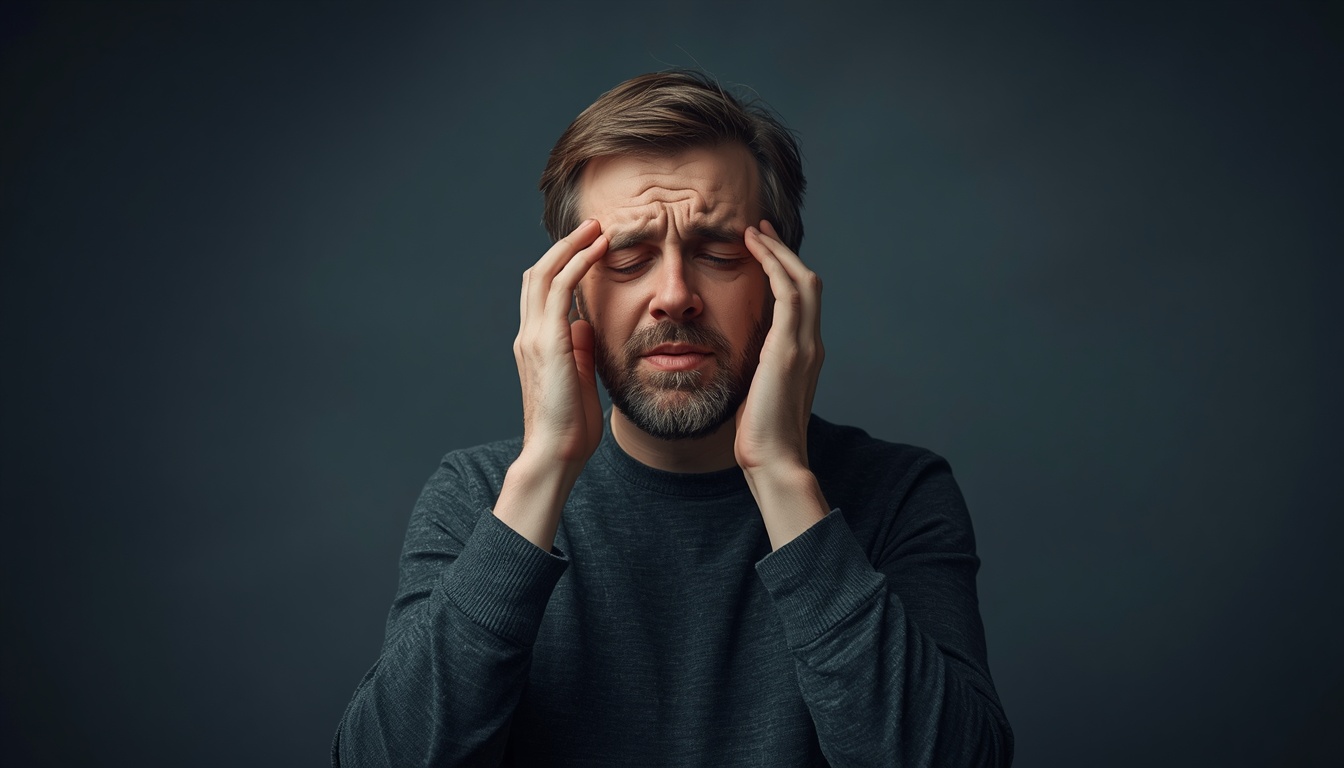
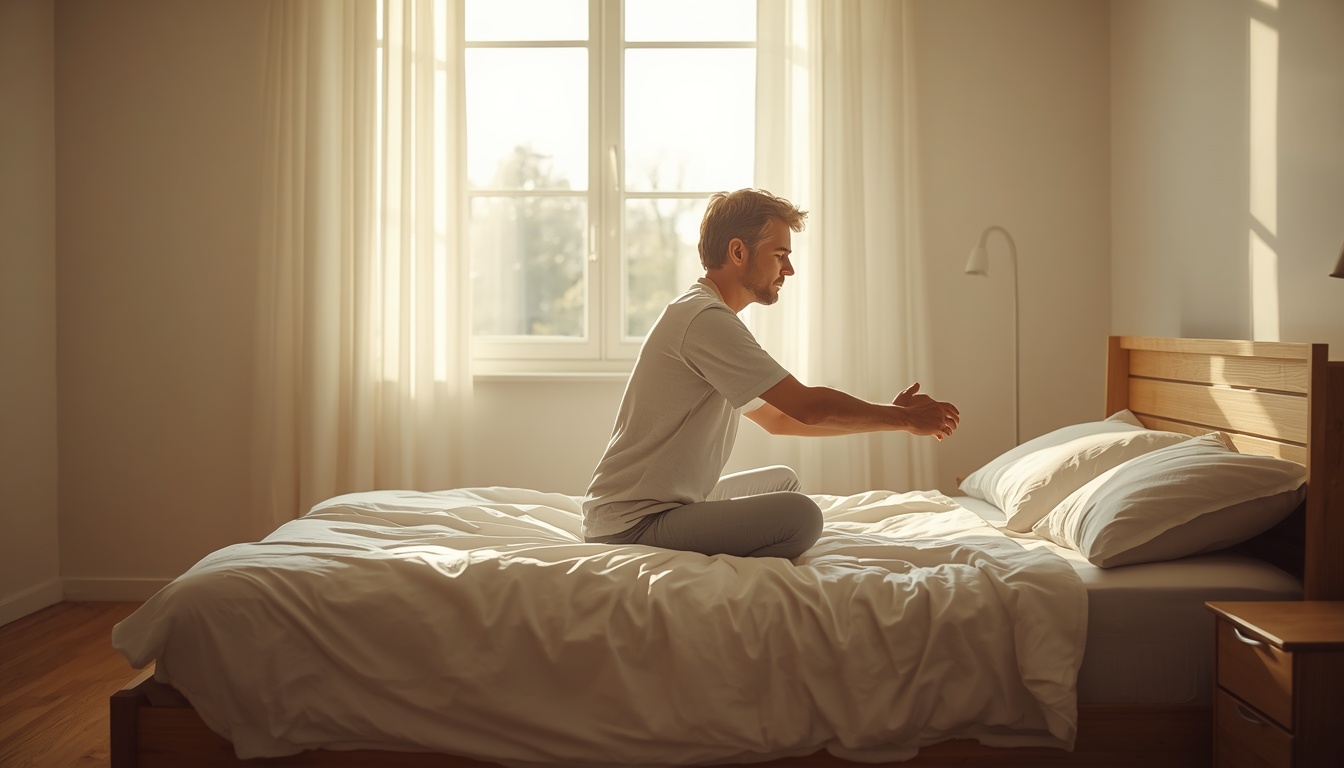
The alarm goes off and the first movement is a negotiation. Ankles feel thick. The low back does not want to unfold. Fingers are slow to make a fist. By the time the kettle boils, much of it has faded, which is why morning stiffness is easy to dismiss and easy to dread. It is one of the most common bodily complaints of adult life, and in most people it is not a diagnosis. It is what joints and fascia do when they spend hours still, slightly cool, and under-lubricated.
Cartilage has no blood supply of its own. It drinks from the fluid around it when you move. Overnight, that sipping almost stops. Muscles cool. The discs in the spine take on a little water and feel less willing to bend. None of that is a failure of aging by itself. Trouble starts when daytime movement is too narrow, the mattress and pillow fight your shape, or inflammation from illness or inflammatory arthritis stretches the rusty window from minutes into hours.
What Morning Stiffness Feels Like
People describe a “gel” feeling — as if the joints set overnight like cooled gelatin. The first steps to the bathroom are shorter. Turning the neck to check a clock is cautious. Hands may feel puffy. Shoulders that spent the day at a keyboard, a pattern related to lost overhead reach, often protest first. The stiffness usually eases with warmth, a shower, and ordinary movement. That time-to-loosen is a useful clue.
Ordinary morning stiffness lasts under 30 minutes, often under 15, and improves as you walk around the house. Stiffness that lasts more than an hour, comes with hot swollen joints, or is much worse after rest at any time of day is a different pattern and deserves a closer look.
Why Joints Stiffen When You Lie Still
Synovial joints are built to be used. Motion spreads synovial fluid, feeds cartilage, and reminds the nervous system that full range is safe. This is the same principle behind joints expecting motion rather than rest. Sleep is necessary rest. It is also the longest daily fast from varied loading.
Body temperature drops a little at night. Cooler tissues feel thicker. Disc height in the spine increases slightly as they absorb fluid when you are horizontal, which is why many people are a fraction taller in the morning and why bending can feel rusty until that extra fluid redistributes.
Fascia — the connective web around muscles — likes glide. Hours in one sleep posture reduce that glide. If your day already lacked twist and reach, described in why fascia expects twist and reach, the overnight pause has less resilience to work with.
Common Causes
- A day spent sitting, then a night spent still — two long stillness blocks stacked
- A mattress that is too soft (hips sink) or too firm (shoulders and hips have no give)
- A pillow that cranks the neck too high or leaves it hanging
- Sleeping cold, especially with a fan or air-conditioning on the body
- Yesterday’s unusual workout, new shoes, or a long drive
- Dehydration and alcohol, which leave tissues less forgiving by dawn
- Osteoarthritis in knees, hips, hands, or spine — stiffness that eases with movement is typical
- The simple fact of getting older: tissues lose a little water and rebound more slowly, even in healthy people
Hidden Triggers
- A late heavy dinner that fragments sleep and leaves you tossing — poor sleep quality makes stiffness feel louder, similar to how sleep loss changes next-day appetite
- Clenching the jaw or bracing the shoulders all night
- A new desk setup that quietly overloaded the neck and wrists
- Low indoor humidity in winter heating season
- Starting a statin, an aromatase inhibitor, or another medicine that can increase muscle and joint ache in some people
- A viral illness in the past week; post-viral stiffness is common and usually temporary
- Hormonal shifts around menopause or the days before a period, when joints can feel puffier
Why the First Half Hour Matters
Fluid returns to use when you move. That is why a warm shower, a short walk to the kitchen, and gentle circles of the ankles and wrists work better than lying in bed stretching in a way that makes you hold your breath. The goal of the first half hour is not a workout. It is to tell cartilage, fascia, and the nervous system that the day has a range again.
People who jump from bed into a maximal stretch or a high-intensity session often feel worse by mid-morning. Cold, unfed joints do not love sudden end range. Easy motion first, load later — the same logic as gradual tendon loading.
Less Common but Serious
Inflammatory arthritis — rheumatoid arthritis, polymyalgia rheumatica, and related conditions — classically causes morning stiffness that lasts an hour or more and comes with swollen, tender joints, unusual fatigue, or stiffness that is much worse after any rest. Polymyalgia in older adults often hits the shoulders and hips with a marked “gel” that takes a long time to thaw. That pattern is not a mattress problem.
Thyroid underactivity can add muscle ache and morning heaviness. Sleep apnea can leave the body unrefreshed and physically tight. Unexplained weight loss, fever, night sweats, or a single hot joint are not routine stiffness.
When to Worry
- Morning stiffness lasting longer than 60 minutes most days
- Joints that are warm, red, or clearly swollen
- Stiffness plus fever, rash, or a sudden drop in energy
- Weakness, not just stiffness — trouble rising from a chair or lifting the arms
- Stiffness after a tick bite, a new medication, or a period of severe illness
- Pain that is worse at rest than with movement and is getting steadily worse
Myths vs Facts
Myth: Morning stiffness means you should rest more.
Fact: For ordinary stiffness, more varied daytime movement is usually the medicine. Resting all day often worsens the next dawn.
Myth: A perfect mattress will erase it.
Fact: A tolerable mattress helps. It cannot replace walking, strength, and not sitting in one shape for ten hours.
Myth: You need to “crack” everything first thing.
Fact: Gentle motion is enough. Forcing cracks is not lubrication. It is a habit.
Myth: Only older people get this.
Fact: Desk-bound thirty-year-olds wake stiff for the same fluid-and-stillness reasons. Age changes the volume of the complaint, not the mechanism.
How to Wake Up Less Rusty
- Move during the day. Short walks after meals, standing calls, and a little reaching overhead do more for tomorrow morning than any pillow.
- Keep the bedroom from being cold on the skin. Cool air for sleep is fine; a frozen shoulder under a blast of AC is not.
- Use a pillow that keeps the neck in line with the spine, whether you sleep on your side or back. Stomach sleeping often twists the neck all night.
- Before you stand, while still in bed, do slow ankle pumps, knee-to-chest within comfort, and open-close of the hands. One minute is enough.
- Stand, walk to daylight, and drink water. Warmth and a few hundred steps thaw most ordinary gel.
- Strength train two or three days a week so joints have muscle around them. Weak hips and a weak upper back make morning unfolding harder.
- If evenings include alcohol or a very salty meal, expect a puffier dawn and plan a gentler start.
- Give new workouts 48 hours before judging them. Delayed muscle soreness masquerades as “I woke up old.”
When to See a Doctor
Book a visit if stiffness lasts over an hour, joints swell, or everyday tasks at 10 a.m. are still limited. Bring a simple diary: how long until you loosen, which joints, what you did the day before. Blood tests and examination can separate ordinary use-and-rest stiffness from inflammatory disease. Do not wait months if the pattern is clearly inflammatory. Do not rush to imaging for stiffness that fades by breakfast and has no red flags.
FAQs
Is this arthritis?
Not by itself. Osteoarthritis can contribute. Inflammatory arthritis has a longer, more systemic pattern. A clinician can tell the difference.
Does magnesium or a night stretch routine fix it?
A short evening mobility habit can help some people. Supplements help only if you are correcting a real deficiency. They are not a substitute for daytime movement.
Why are my hands worst?
Small joints cool and swell easily. Overnight fluid pools a little in the hands if they hang or stay curled. A warm rinse and making fists in the shower usually helps.
Should I sleep with a knee pillow?
If you are a side sleeper and the top knee drops and twists the spine, a pillow between the knees can feel better. It is comfort, not a cure.
Can hydration overnight help?
Sip if you wake thirsty. Flooding water at 11 p.m. mostly buys nighttime bathroom trips. Daytime hydration matters more.
Why is it worse in winter?
Cooler rooms, less outdoor walking, and drier indoor air. The joints did not suddenly age in November.
Conclusion
Waking stiff is what a moving animal feels after a still night — especially if the day before was also still. Most of the rust is fluid, temperature, and unused range, not a verdict. Give your joints a reason to stay confident: walk, change shape, get a little stronger, sleep warm enough, and start the morning with motion instead of a fight. If the gel lasts all morning or the joints swell, get it checked. For everyone else, the body is not failing at dawn. It is waiting for the first good use of the day.