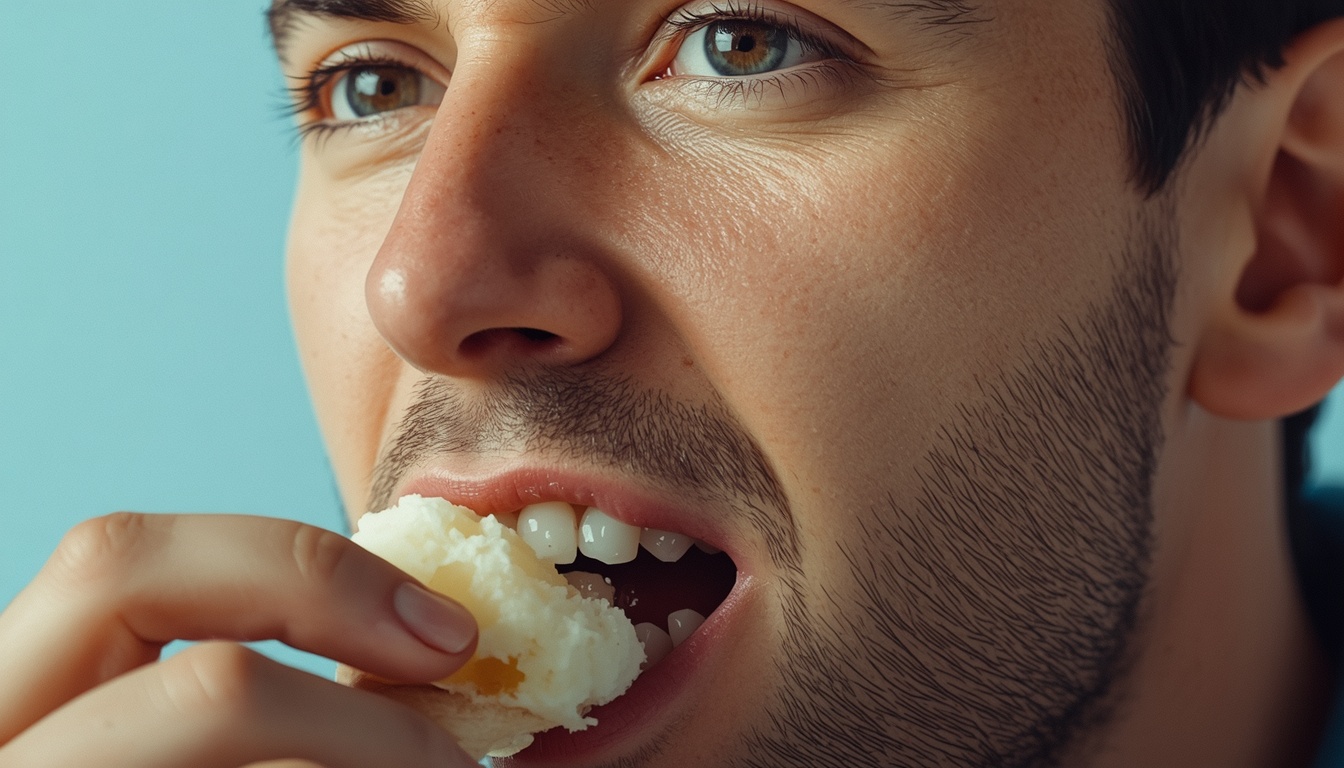
Hiccups after a meal are usually a full stomach and a startled diaphragm — not a sign that something is broken. Here is why they start, why they stop, and which tricks are worth trying.

You finish a plate, lean back, and a small “hic” steals the next breath. Another follows. People offer water, a scare, a spoon of sugar. Two minutes later it is gone and everyone forgets. Hiccups after eating feel random. They are usually the diaphragm reacting to a stretch, a swallow of air, or a temperature change — a reflex that is loud, brief, and almost always harmless.
A hiccup is a sudden contraction of the diaphragm and the muscles between the ribs, followed by a quick close of the vocal cords. That close is the sound. The reflex loop runs through the phrenic and vagus nerves and a small patch of brainstem. It can be set off by the stomach, the esophagus, the chest, or simple irritation of those nerves. A big meal is a very common switch.
What Post-Meal Hiccups Feel Like
They come in a run: one every few seconds, the same little catch in the chest and throat. Talking between them is awkward. A sip can trigger the next one. Most spells last under ten minutes. A few last an hour and make you wonder if you should be worried. If you can still breathe, swallow, and speak, and if there is no chest pain or vomiting, the spell is still in the ordinary family.
Hiccups that last more than 48 hours are called persistent. Those that last more than a month are intractable. Those patterns are uncommon and belong in a clinic, not in a list of dinner tricks.
Why a Meal Sets Them Off
The stomach sits under the left dome of the diaphragm. A fast or large meal stretches that dome. Carbonated drinks expand it further. Hot food, cold drinks, and spicy bites can irritate the lower esophagus. Swallowing air while you talk and eat does the same from above. Any of those can tickle the reflex.
Alcohol relaxes the valve between the stomach and the esophagus and can inflame the lining. That is why a late, fizzy, talkative dinner is a classic setup. Eating while hunched, as in the seated pattern described in how seated life changes the breath, also leaves less room for the stomach and makes a stretch more likely to tap the diaphragm.
The reflex itself may have had a use. One older idea is that it helped clear air from the stomach in young mammals. Another is that it is a leftover of gill-breathing patterns. Whatever its origin, modern plates are larger, drinks are fizzier, and meals are faster. The reflex did not get the memo.
Common Causes
Eating quickly. Big swallows and extra air.
A very full stomach. Volume plus a tight waistband is enough.
Carbonated drinks. Gas expands under the diaphragm.
Alcohol, spice, and temperature swings. Hot soup then ice water is a frequent trigger.
Talking while chewing. Air goes down with the food.
Sudden excitement or laughter at the table. The diaphragm is already working; a stretch tips it into the reflex.
Hidden Triggers
Chewing gum before a meal. Smoking. A tight belt after a buffet. Lying down right after eating, which also feeds evening heartburn. Dry bread or crackers that make you gulp. Very cold drinks on a hot day. Stress that keeps you swallowing air. Medications that irritate the stomach or affect the nervous system — a conversation for a clinician if hiccups are new after a prescription. Pregnancy, because the growing uterus already crowds the diaphragm.
Why Most Tricks Sometimes Work
Holding the breath, breathing into a bag, sipping cold water, swallowing sugar, and pulling the knees up all change either the carbon dioxide level, the stretch on the diaphragm, or the input from the back of the throat. None is magic. A change in the sensory traffic on the vagus or phrenic nerve can interrupt the loop. A scare does the same through a burst of sympathetic noise. If a spell is already fading, any ritual gets the credit.
Gentle options are enough for ordinary hiccups: slow nasal breathing, a pause from talking, a few sips of still water, sitting upright rather than slumping. You do not need to terrify a child or choke down a spoon of dry sugar unless you enjoy the folklore.
When Hiccups Are Not “Just After Dinner”
Persistent hiccups can ride along with reflux, an irritated esophagus, pneumonia, kidney problems, certain brain-stem issues, or medication effects. They can also follow surgery or a tube in the throat. That list is why a hiccup that will not stop deserves a history and an exam, not another internet trick. Isolated two-minute spells after pizza do not put you on that list.
When to Worry
Get care if hiccups last more than 48 hours, if they prevent sleep or eating, if they come with chest pain, shortness of breath, vomiting, severe heartburn that is new, neurological symptoms, or unexplained weight loss. After a big meal, a short run of hiccups with no other signs is expected noise. Trust the duration and the company it keeps, not the sound itself.
Myths vs Facts
Myth: Hiccups mean your heart or lungs are failing.
Fact: Brief post-meal hiccups are a diaphragm reflex. Heart and lung disease have other, louder signs.
Myth: You must scare them out or they will never stop.
Fact: Most spells end on their own in minutes. Fright is optional theater.
Myth: Drinking upside down is the proven cure.
Fact: It is one of many sensory interruptions. Safer upright sips work as often for ordinary spells.
Myth: Frequent dinner hiccups mean you have a hiatal hernia until proven otherwise.
Fact: Speed, volume, fizz, and air-swallowing explain most cases. A hernia is one possible contributor, not the default diagnosis.
How to Make After-Meal Hiccups Less Likely
Slow down. Put the fork down between bites. Keep drinks mostly still, not sparkling, if you are prone. Leave a little room at the waist. Stay upright for a while after a large plate. If you talk a lot at dinner, pause to swallow on purpose. Treat reflux if it is already in the picture — the same evening habits that calm heartburn often quiet the diaphragm. A short walk after eating helps the stomach empty and is the same small ritual that helps blood sugar after meals.
When a spell starts, sit tall, close the mouth, and breathe slowly through the nose for a minute. Sip water. Do not pile on five folk remedies at once. Give one change a short chance.
When to See a Doctor
See a clinician for hiccups that last days, wreck sleep, or arrive with other new symptoms. Bring a list of meals, drinks, and medicines. Mention recent surgery, reflux, or ear-nose-throat problems. Persistent hiccups are treatable once the driver is clear. A single dinner episode is not a reason to scan the brain.
FAQs
Can babies get hiccups from feeding?
Yes. Fast feeds and swallowed air are common. They usually pass. Ask a clinician if feeds are painful or if the baby cannot settle.
Do hiccups burn calories?
Not in any useful way. Do not collect them as exercise.
Is it dangerous to hiccup while pregnant?
Brief spells are common as the uterus rises. Long, exhausting spells should be mentioned at a prenatal visit.
Why do hiccups sometimes come in the shower or when I laugh?
Temperature change, deep breaths, and a bouncing diaphragm can trip the same loop without food.
Should I take medicine for ordinary hiccups?
No. Medicines are reserved for long, miserable spells under a clinician’s plan.
Conclusion
After-meal hiccups are a small, old reflex meeting a large, fast, fizzy plate. They sound more dramatic than they are. Slow the meal, leave the soda, sit up, and let the diaphragm finish its complaint. If the complaint lasts days instead of minutes, get it checked. For the rest of dinner, a quiet minute of nasal breathing beats a well-aimed scare.