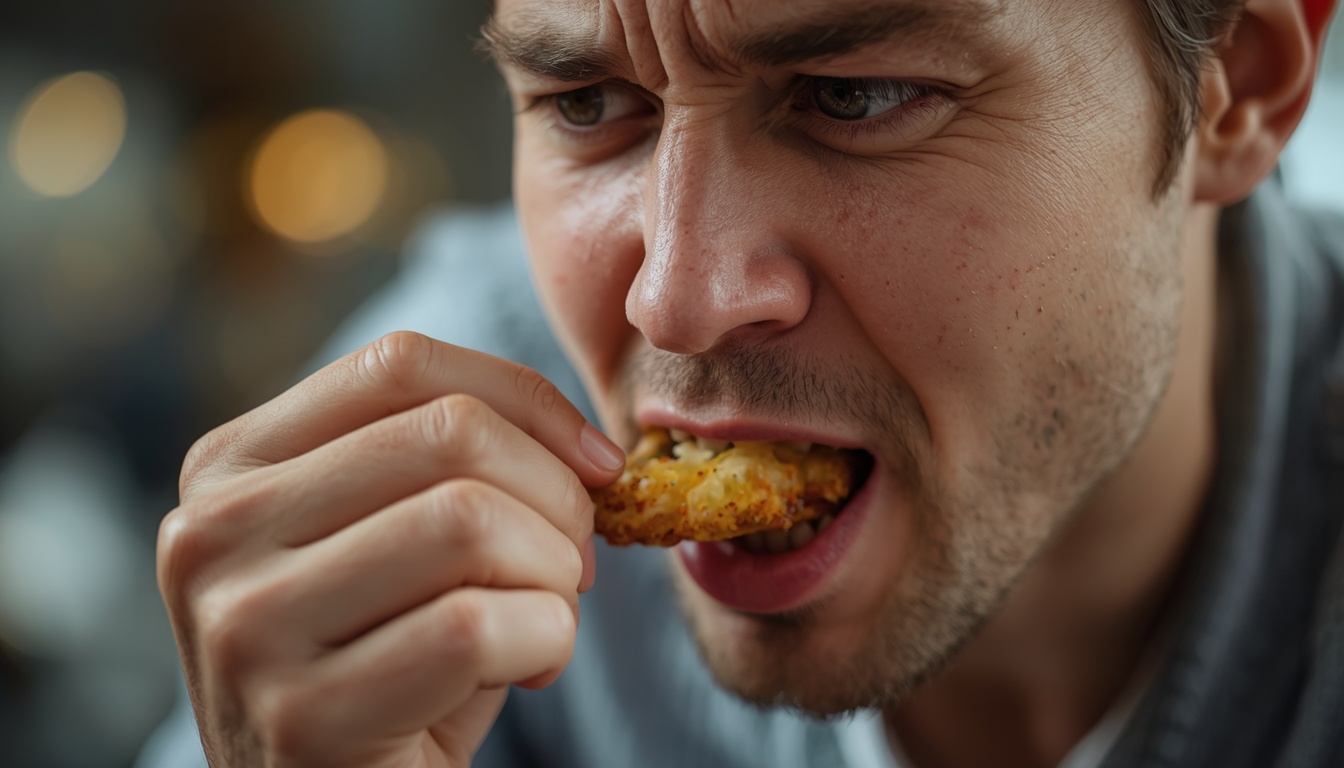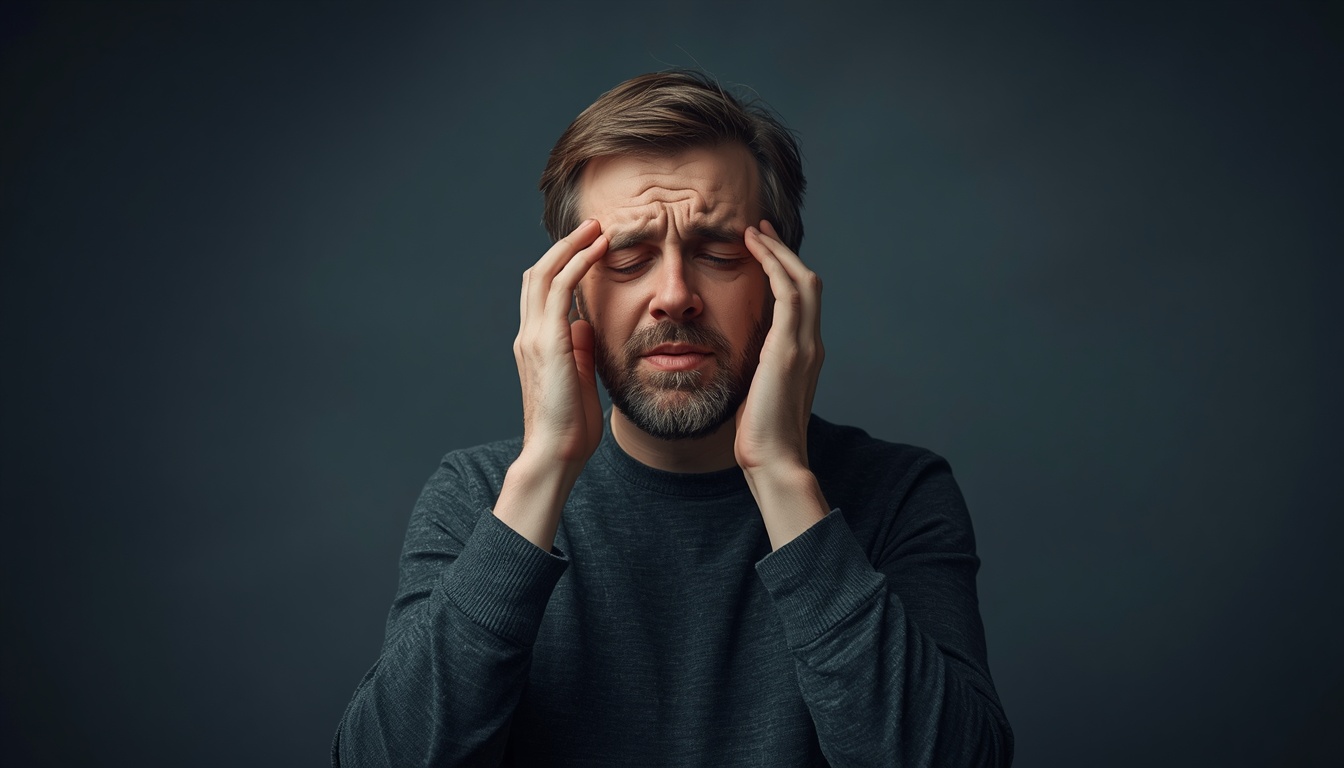
That rising burn after an evening meal is common and usually mechanical — a full stomach, a reclining evening, and a valve that prefers to stay upright. Here is what is happening and how to finish the day more comfortably.
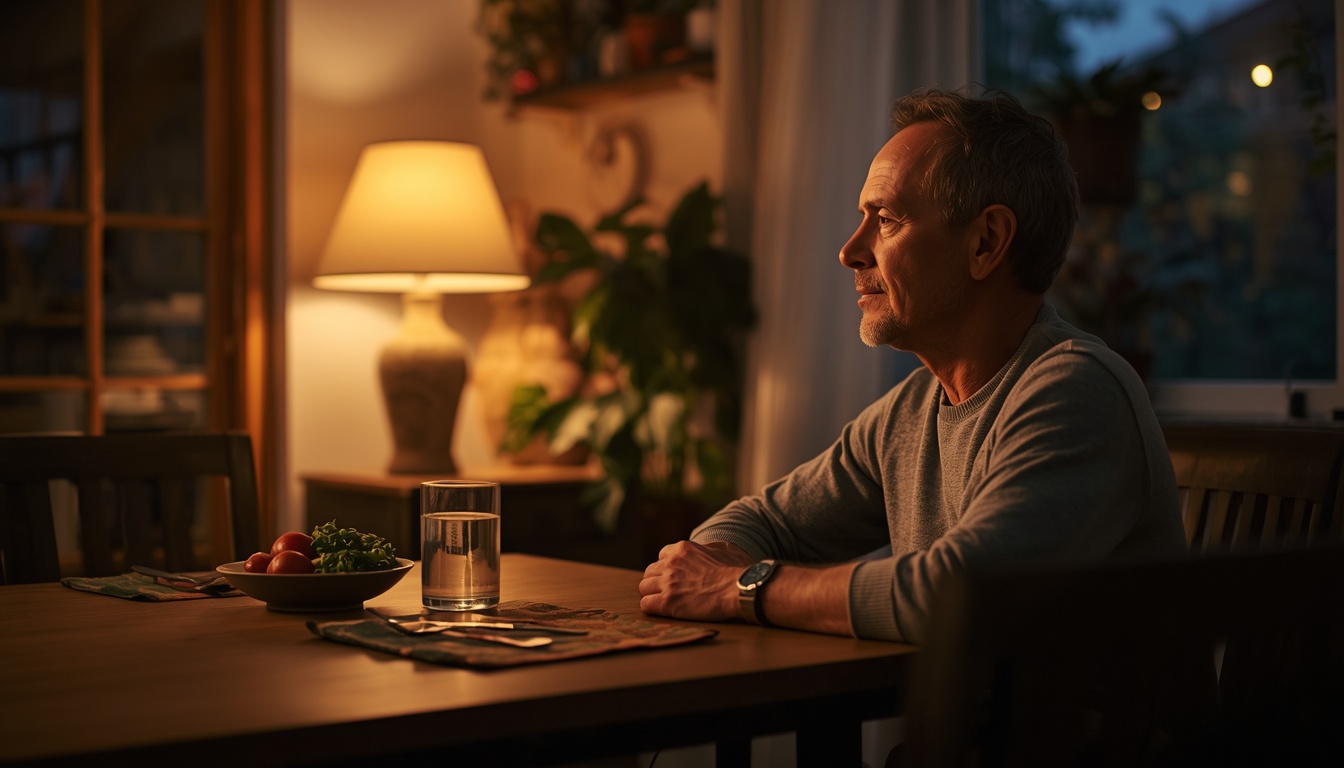
Dinner was fine. An hour later a warm, sour pressure climbs behind the breastbone. You swallow, sit up straighter, maybe reach for water or an antacid, and hope it fades before bed. If you lie down too soon, the burn can follow you onto the pillow.
Evening heartburn is one of the most common digestive complaints in modern life. For most people it is not a damaged esophagus declaring war. It is a timing and gravity problem: a full stomach, a valve between esophagus and stomach that is not a watertight door, and an evening that quickly becomes horizontal. Understanding that mechanics takes some of the alarm out of the symptom — and points to changes that actually help.
What Heartburn Feels Like
Classic heartburn is a burning or warm pressure behind the lower or mid chest. It may rise toward the throat, leave a sour or bitter taste, or bring a lump-in-the-throat feeling. Some people belch, cough, or notice hoarseness in the morning after a bad night. It often starts 30 to 180 minutes after a meal, especially a large, late, or rich one.
It is different from the crushing, radiating pain of a heart problem, though the two can be confused — which is why new, severe, or effort-related chest pain still deserves urgent care. Heartburn typically tracks meals, posture, and acidity more than walking up stairs.
What Is Actually Going On
At the bottom of the esophagus a ring of muscle — the lower esophageal sphincter — stays gently closed most of the time so stomach contents stay down. It is not a perfect seal. It relaxes when you swallow, and it can be pushed open when pressure in the abdomen rises or when you recline with a full stomach.
Stomach juice is highly acidic on purpose. That acidity helps digest protein and keep many microbes in check. The stomach lining is built for it. The esophageal lining is not. A brief splash may only tingle. Repeated baths inflame the lower esophagus and make the next episode easier to feel.
Evening stacks the deck. Dinner is often the largest meal. People eat closer to bedtime than their grandparents did. Then they sit slouched on a sofa or go to bed. Gravity, which helped keep acid down while they were upright, steps aside. A breath system that still expects a better diaphragm job and an appetite system that still prefers daylight meals are both working against a late, heavy plate.
Common Causes
- Large portion size, especially when dinner is the biggest meal of the day
- Lying down within two to three hours of eating
- High-fat meals that linger in the stomach longer
- Tomato sauces, citrus, chocolate, peppermint, coffee, alcohol, and carbonated drinks in people who are sensitive to them
- Slouching after the meal, which raises abdominal pressure and folds the stomach
- Extra weight around the midsection, which mechanically pushes upward
Hidden Triggers
- A tight waistband or belt after a big plate
- Evening snacks in bed, even “just a little”
- Late workouts that bounce a full stomach, or the opposite — going straight from table to sofa
- Some common medicines, including certain pain relievers, that can irritate the stomach lining
- A stuffy nose that forces mouth breathing in bed and encourages more swallowing of air
- Afternoon bloating that already occupies space under the diaphragm before dinner even starts — the same pattern described in afternoon fullness
Why Nights Are Worse
Saliva and swallowing normally wash the esophagus. Both slow during sleep. Nighttime also removes the option of sitting up the moment a splash happens. If you already wake between 2 and 4 a.m. for other reasons, reflux can be the thing that keeps you from settling again. People who get up to pee sometimes notice the burn on the way back to bed, when they have been horizontal for hours.
A slightly elevated head of the bed — not a stack of pillows that crumples the neck — uses gravity again. Necks that still expect a long horizon posture do better with a whole-torso incline than with a sharp kink at the pillow.
Less Common but Serious
Frequent reflux can inflame the esophagus, narrow it with scar tissue, or, over many years in a subset of people, change the lining in a way doctors monitor. Vomiting blood, black stools, progressive trouble swallowing solids, unintended weight loss, or anemia are not “just heartburn.”
Chest pain with sweating, arm or jaw pain, fainting, or breathlessness is an emergency until proven otherwise. Do not talk yourself out of that visit because last week’s episode was clearly food-related.
When to Worry
- Heartburn more than twice a week for weeks, despite simple changes
- Food sticking, painful swallowing, or a sense that pills hang in the chest
- Vomiting blood, coffee-ground material, or black tarry stools
- Unexplained weight loss, anemia, or persistent vomiting
- Symptoms that wake you choking or coughing every night
- New chest pain that does not clearly follow meals and posture
Myths vs Facts
Myth: Heartburn means you make too much acid and must shut acid off forever.
Fact: Many people have normal acid production in the wrong place. Portion, timing, and posture often matter as much as acid volume.
Myth: Milk “coats” the esophagus and heals the burn.
Fact: A sip may feel soothing for a minute. Fat and volume can rebound later as the stomach works.
Myth: Spicy food is the universal villain.
Fact: Spice bothers some people and is irrelevant to others. Fat, portion, alcohol, and lying down are more consistent mechanical triggers.
Myth: If antacids help, you do not need any other change.
Fact: Antacids and acid-reducing medicines can be useful tools. They do not fix a dinner-then-immediately-horizontal habit.
How to Manage Evening Heartburn
Make dinner earlier and a little smaller. Two to three hours upright after the last substantial bite is the single most reliable home change. Shift calories toward lunch if evenings keep running late.
Stay vertical. A short walk after the meal — the same idea as the walk your blood sugar still expects after eating — helps emptying and uses gravity. Avoid a deep slouch on the sofa.
Notice your personal triggers without a puritan list. Keep a two-week mental note: late pizza, wine, chocolate, peppermint tea, tomato-heavy sauces. Drop the ones that reliably burn. Keep the ones that do not.
Loosen the middle. Open the waistband. Skip the tight shapewear after a large plate. Abdominal pressure is a mechanical push on the valve.
Raise the head of the bed if nights are the problem. Blocks under the bed frame or a dedicated wedge that lifts the whole torso work better than extra pillows that flex the neck and crumple the abdomen.
Give the last hour a calmer stomach. Slow eating, less carbonation, and not drinking a huge volume right at the end reduce the slosh that finds the sphincter.
Use medicine thoughtfully. Occasional antacids are reasonable. Frequent need for acid suppression is a reason to talk with a clinician rather than a reason to stay on a high dose unsupervised for years.
When to See a Doctor
See a clinician if heartburn is frequent, if you need over-the-counter acid reducers most days, or if any red-flag swallowing or bleeding symptoms appear. People over 50 with new reflux, and anyone with a family history of esophageal disease, should not self-manage indefinitely. Pregnancy-related heartburn is common and usually mechanical; it still deserves guidance on what is safe to take.
FAQs
Is heartburn the same as GERD?
Heartburn is the symptom. GERD (gastroesophageal reflux disease) is the diagnosis when reflux is frequent or damages the esophagus. One episode after a late feast is not automatically GERD.
Why does it happen only at night?
Night combines a larger meal, a horizontal body, less saliva, and fewer swallows. Daytime upright hours hide a leaky valve that night reveals.
Can stress cause heartburn?
Stress does not invent acid from nowhere, but it can increase sensitivity, change eating speed, and tighten the abdomen. The burn is still physical.
Does drinking water help or hurt?
Small sips can clear the esophagus. A large flood on top of a full stomach can increase volume and pressure.
Will I have to give up coffee and tomatoes forever?
Only if they reliably trigger you. Many people tolerate them earlier in the day and not after 7 p.m.
Can kids get this?
Yes, especially with large late meals, carbonated drinks, and lying down with a tablet after dinner. Persistent symptoms in a child need a pediatric visit.
Conclusion
Evening heartburn is usually your anatomy meeting a modern schedule: a big plate, a short upright interval, and a bed that arrives too soon. The valve at the bottom of the esophagus was never a vault door. It works best when gravity and an emptier stomach are on its side.
Move dinner earlier when you can, stay upright a little longer, walk off the meal, and raise the head of the bed if nights keep turning sour. Most people feel a difference within days. If the burn is frequent, progressive, or paired with warning signs, get it checked — not because dinner is dangerous, but because a comfortable esophagus is worth protecting.