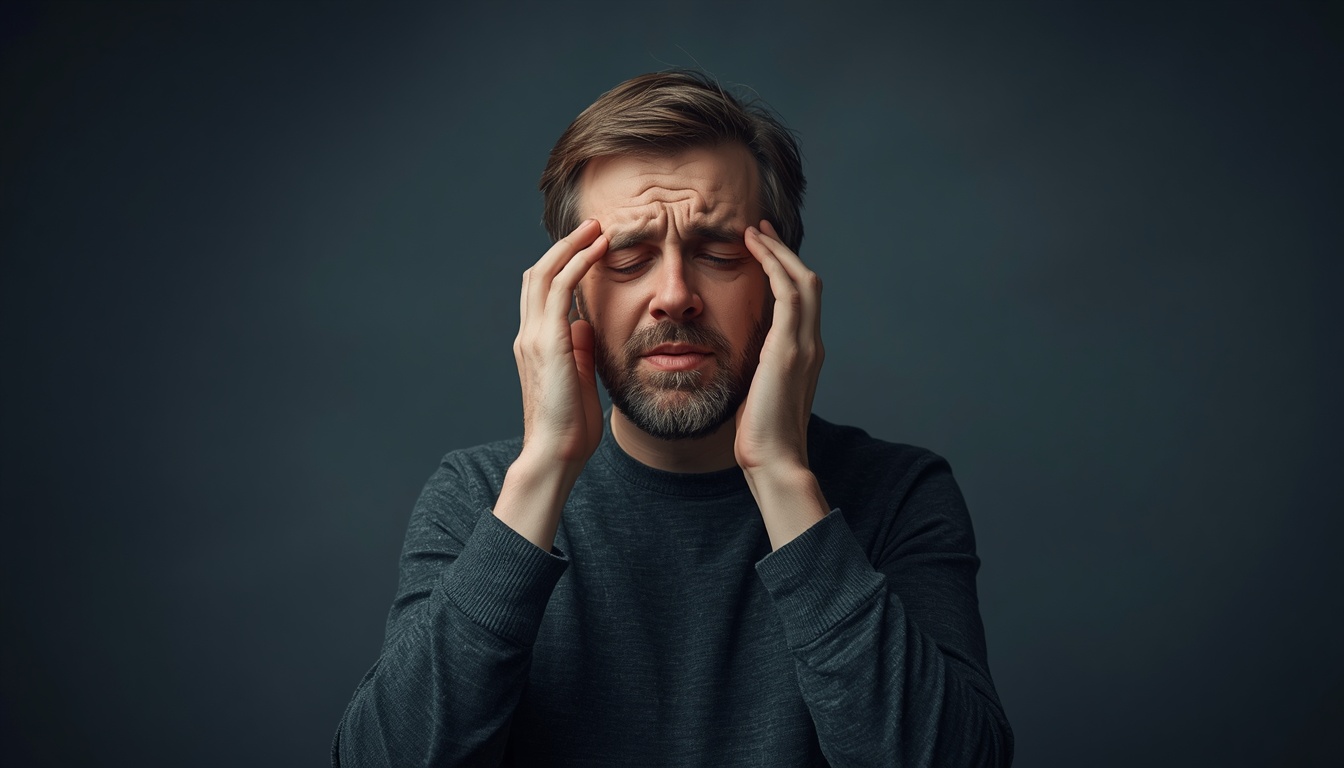
Why does your body suddenly jerk when falling asleep? Discover causes, hidden triggers, warning signs, and natural ways to reduce sleep jerks.
You're finally drifting off after a long day. Your eyes are heavy, your thoughts are fading, and sleep is just seconds away. Then suddenly—BANG! Your entire body jerks. Maybe your leg kicks, your arm twitches, or you feel as if you're falling off a cliff. Your heart races, and you're instantly awake again.
If this has happened to you, you're far from alone.
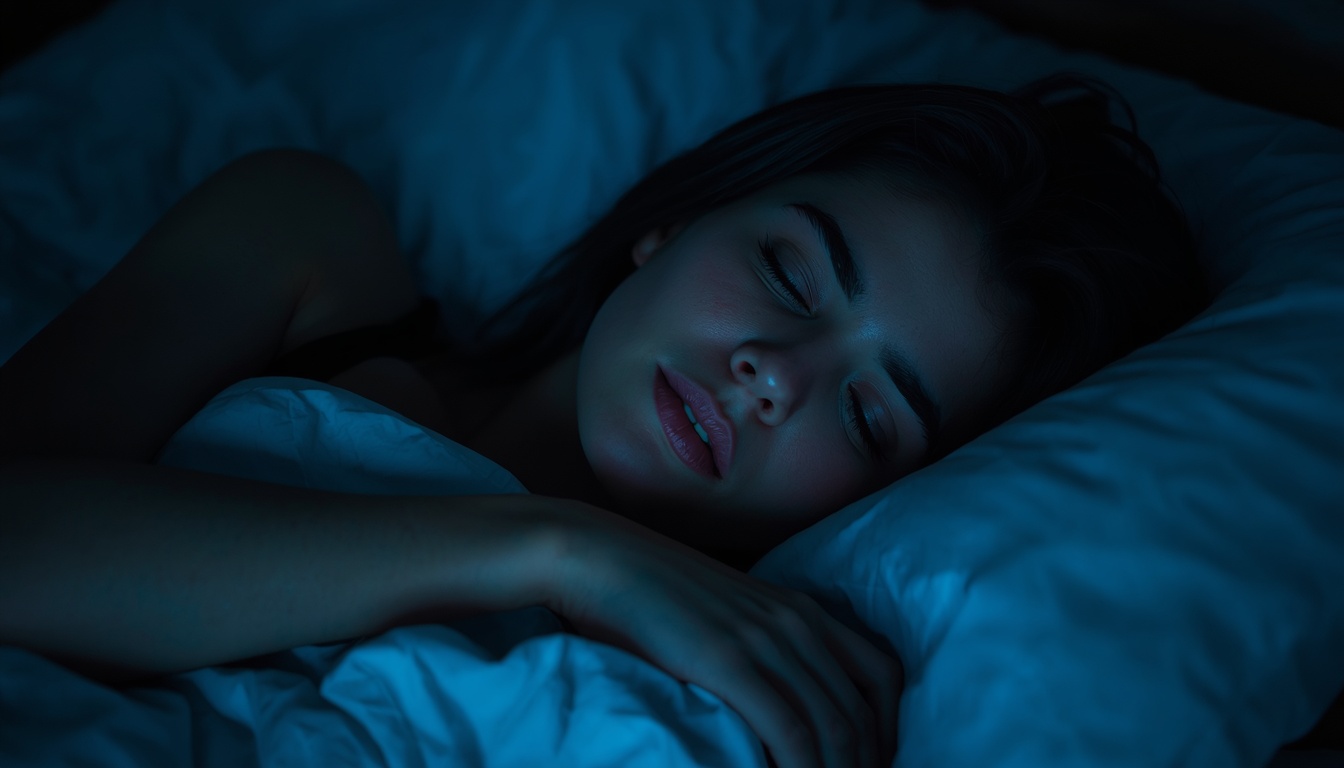
Many people experience sudden body jerks while falling asleep and wonder if something is wrong with their brain, nerves, or heart. The sensation can feel startling, mysterious, and sometimes even frightening. Some people experience it occasionally, while others notice it several times a week.
The good news is that in most cases, these sudden sleep-time jerks are completely harmless. However, there are situations where similar symptoms can signal an underlying health condition that deserves attention.
Let's explore what these sudden movements are, why they happen, what triggers them, when you should be concerned, and how you can reduce them naturally.
What Does This Symptom Feel Like?
The experience varies from person to person, but most people describe it in similar ways.
- A sudden jerk of the leg, arm, or entire body
- A sensation of falling from a height
- A feeling of tripping or losing balance
- A sudden muscle twitch that wakes you up
- A brief electric-shock-like sensation
- A sudden startle just as sleep begins
Some people also experience:
- A flash of a dream involving falling
- A brief increase in heart rate
- A sensation of panic or surprise
- A feeling that they forgot to breathe
These events usually occur during the transition between wakefulness and sleep, not during deep sleep.
What Are These Sudden Sleep Jerks Called?
The medical term for these episodes is hypnic jerks or sleep starts.
A hypnic jerk is an involuntary muscle contraction that occurs as the brain transitions from wakefulness into sleep.
Researchers estimate that up to 70% of people experience hypnic jerks at some point in their lives. For many individuals, they happen occasionally and are considered a normal part of human sleep physiology.
Although they can feel dramatic, they are usually harmless and not a sign of disease.
Why This Happens in Your Body
To understand hypnic jerks, it helps to understand what happens when you fall asleep.
Sleep is not like flipping a light switch. Instead, your brain gradually transitions through different states.
As you begin falling asleep:
- Heart rate slows down
- Breathing becomes more regular
- Muscle tension decreases
- Body temperature begins to drop slightly
- Brain activity starts shifting into sleep patterns
During this transition, communication between the brain and muscles changes rapidly.
One leading theory suggests that the brain occasionally misinterprets the sudden relaxation of muscles as a sign that the body is falling. In response, it sends an emergency signal to the muscles, causing a sudden contraction.
Think of it as a false alarm generated during the body's shift from alertness to sleep.
Another theory suggests that hypnic jerks are simply a byproduct of the nervous system reorganizing itself as consciousness fades.
Whatever the exact mechanism, the event originates from the nervous system's sleep transition process rather than from damage to the body.
Common Causes of Sleep Jerks
Although hypnic jerks can happen to anyone, certain factors make them much more likely.
Stress and Anxiety
Stress is one of the biggest triggers.
When you're stressed, your nervous system remains more alert even when you're trying to sleep. The brain stays partially on guard, making sudden muscle contractions more likely during sleep onset.
People often notice more sleep jerks during:
- Work pressure
- Exams
- Financial worries
- Relationship problems
- Major life changes
Sleep Deprivation
Not getting enough sleep can significantly increase hypnic jerks.
An overtired brain transitions into sleep differently than a well-rested one. This altered transition appears to increase the likelihood of sudden muscle contractions.
The more sleep deprived you are, the more likely you may be to experience them.
Excessive Caffeine
Caffeine stimulates the nervous system.
Drinking coffee, energy drinks, tea, or caffeinated soft drinks late in the day may make your brain more excitable during bedtime.
This heightened nervous system activity can increase the frequency of sleep starts.
Intense Exercise Before Bed
Exercise is healthy, but vigorous workouts very close to bedtime can temporarily increase nervous system activity.
This may make muscles more reactive during the transition into sleep.
For some people, late-evening exercise increases sleep jerks.
Emotional Overstimulation
Watching a frightening movie, having an emotional argument, playing an intense video game, or consuming highly stimulating content before bed can keep the brain in a heightened state of alertness.
The result may be more frequent hypnic jerks.
Fatigue and Physical Exhaustion
Physical exhaustion can alter muscle recovery and nervous system activity.
People who perform heavy physical labor or undergo intense athletic training sometimes notice more frequent sleep starts.
Hidden Triggers People Often Ignore
Many individuals focus on major stressors but overlook smaller habits that may contribute.
Scrolling on Your Phone in Bed
Bright screens can delay normal sleep processes and stimulate brain activity right before sleep.
This may contribute to sleep-transition disturbances.
Irregular Sleep Schedules
Going to bed at wildly different times each night can confuse your body's internal clock.
The less predictable your sleep routine, the more likely sleep disruptions may become.
Sleeping in an Uncomfortable Position
Muscle strain or nerve compression from awkward sleeping positions may increase minor muscle twitching and discomfort.
Nicotine Use
Nicotine is a stimulant. It activates the nervous system and can interfere with smooth sleep transitions.
Mental Overthinking
Many people physically lie down while their minds remain active.
Planning tomorrow's tasks, replaying conversations, or worrying about problems can keep parts of the brain unusually alert during sleep onset.
Less Common but More Serious Causes
Most sleep jerks are harmless hypnic jerks. However, some medical conditions can cause movements that resemble them.
Sleep Disorders
Certain sleep disorders can cause repetitive movements during sleep.
Examples include:
- Periodic limb movement disorder
- Restless legs syndrome
- Certain parasomnias
These conditions often involve repeated movements rather than a single isolated jerk.
Seizure Disorders
Some seizures can occur during sleep or near sleep onset.
Unlike hypnic jerks, seizure-related movements may:
- Occur repeatedly
- Last longer
- Cause confusion afterward
- Be associated with loss of awareness
Nervous System Disorders
Rare neurological conditions can produce involuntary muscle movements or twitching.
These usually come with additional symptoms affecting coordination, balance, sensation, or muscle control.
Metabolic or Electrolyte Problems
Abnormal levels of certain minerals and electrolytes can sometimes affect muscle function and nerve signaling.
This may contribute to unusual muscle contractions or twitching.
When to Worry: Red Flags That Need Attention
Most sleep jerks are harmless, but some situations deserve medical evaluation.
Consider speaking with a healthcare professional if:
- The jerks are becoming increasingly frequent
- You experience them multiple times every night
- The movements continue after you are fully asleep
- You lose consciousness
- You experience confusion afterward
- You have daytime muscle twitching as well
- You develop weakness, numbness, or balance problems
- Your sleep quality is severely affected
- Your partner notices unusual repetitive movements during sleep
These symptoms do not automatically mean something serious is happening, but they warrant further evaluation.
Can Sleep Jerks Be Dangerous?
For the vast majority of people, hypnic jerks are not dangerous.
They do not damage the brain.
They do not indicate that your heart is stopping.
They do not mean you are having a stroke.
They do not usually lead to long-term health problems.
The main issue is often sleep disruption. Repeated awakenings can create frustration, anxiety, and difficulty falling asleep again.
Ironically, worrying about the jerks can increase stress and make them happen more frequently.
Myths vs Facts
Myth: It Means Your Heart Stopped for a Moment
Fact: Hypnic jerks are caused by nervous system activity during sleep transition, not by the heart stopping.
Myth: Everyone Who Experiences Them Has a Neurological Disease
Fact: Most people who experience sleep starts are completely healthy.
Myth: Falling Dreams Cause the Jerk
Fact: The muscle jerk and falling sensation likely occur together. One does not necessarily cause the other.
Myth: They Only Happen to Older Adults
Fact: Hypnic jerks can occur at any age.
Myth: They Are Always Caused by Stress
Fact: Stress is a common trigger, but sleep deprivation, caffeine, fatigue, and other factors also play important roles.
When to See a Doctor
You should consider medical evaluation if:
- The movements are worsening over time
- They significantly disrupt sleep
- You experience unusual symptoms during the day
- You suspect seizures
- Your partner observes repetitive or unusual nighttime behaviors
- You experience breathing abnormalities during sleep
- You have neurological symptoms such as weakness or coordination problems
A healthcare professional can help determine whether the movements represent typical hypnic jerks or another condition.
How to Manage or Reduce This Symptom Naturally
Although hypnic jerks cannot always be prevented, several habits may reduce their frequency.
Maintain a Consistent Sleep Schedule
Going to bed and waking up at similar times each day helps stabilize the body's sleep-wake cycle.
Reduce Evening Caffeine
Limiting caffeine later in the day may decrease nervous system stimulation before bedtime.
Create a Relaxing Bedtime Routine
Activities such as:
- Reading
- Gentle stretching
- Listening to calming music
- Deep breathing exercises
may help prepare the brain for sleep.
Manage Stress
Reducing stress often reduces sleep starts.
Helpful strategies include:
- Mindfulness practices
- Meditation
- Journaling
- Regular physical activity
- Relaxation techniques
Avoid Intense Stimulation Before Bed
Try to limit emotionally intense activities immediately before sleep.
This includes stressful work, heated discussions, frightening media, and stimulating digital content.
Get Enough Sleep
One of the most effective ways to reduce hypnic jerks is simply ensuring adequate sleep.
A well-rested nervous system transitions into sleep more smoothly.
Optimize Your Sleep Environment
A comfortable, dark, quiet sleeping environment supports healthy sleep transitions and may reduce disturbances.
Can Anxiety About Sleep Jerks Make Them Worse?
Yes.
Many people become worried after experiencing a dramatic sleep start.
They begin anticipating the next one.
This anticipation increases nervous system alertness and anxiety, creating conditions that may trigger additional jerks.
Understanding that most sleep jerks are harmless often helps break this cycle.
The Fascinating Evolutionary Theory Behind Sleep Jerks
Some scientists have proposed an interesting evolutionary explanation.
According to this theory, our distant ancestors may have slept in trees.
As muscles relaxed during sleep onset, the brain may have evolved a quick protective response to prevent accidental falls.
While this idea remains speculative and unproven, it illustrates how deeply rooted sleep behaviors may be in human evolution.
Conclusion
That sudden body jerk just as you're falling asleep can feel alarming, especially when it catches you completely off guard. Fortunately, in most cases, it is a normal phenomenon known as a hypnic jerk or sleep start.
These involuntary muscle contractions occur during the transition from wakefulness to sleep and are commonly triggered by stress, fatigue, sleep deprivation, caffeine, emotional stimulation, or an overactive nervous system.
For most people, they are harmless and require nothing more than reassurance and healthy sleep habits. Understanding why they happen can make them much less frightening and may even help reduce their frequency.
However, if the movements become frequent, severe, disruptive, or are accompanied by other concerning symptoms, seeking medical evaluation is the safest course of action.
Your body performs an extraordinary balancing act every night as it moves from consciousness into sleep. Sometimes, that transition simply comes with a surprising little jolt.