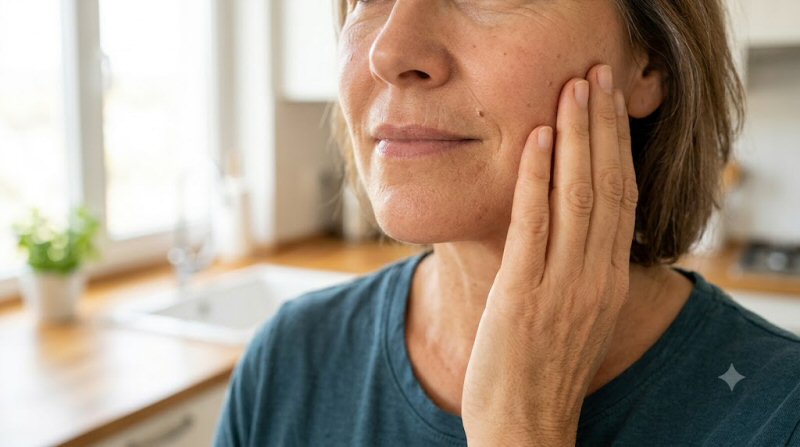
A stabbing forehead ache from ice cream or a slush is usually a cold-stimulus headache that fades in under a minute. Pace and palate warming settle most of it.

The first bite of a milkshake hits the roof of the mouth and, a second later, a spike of pain lands between the eyes. It feels too sharp for something as ordinary as ice cream. People call it brain freeze. Clinicians file it under a plainer name: cold-stimulus headache, the headache brought on by a cold food or drink against the palate. For most people it is a normal, short-lived reflex, not a warning that the brain has been injured by dessert.
The International Classification of Headache Disorders recognizes this pattern. The pain is triggered by a cold stimulus on the head, in the mouth, or inhaled, and it settles soon after that stimulus is gone. Joseph Hulihan’s classic note in the British Medical Journal described the everyday version: ice cream pressed to the palate, pain referred to the forehead or temple, gone almost as fast as it arrived. Surveys since then have found it in a substantial minority of healthy people, and more often in people who already get migraine.
What This Headache Feels Like
The usual story is sudden. A cold bite, a gulp of a slush, or a scoop held against the roof of the mouth, then a stab, bolt, or tight ache in the mid-forehead, behind the eyes, or at one temple. Some people feel it at the vertex, the top of the head. A few feel it in the throat first, then the forehead. It peaks within seconds and, in the common form, fades within thirty to sixty seconds. The classification allows up to about ten minutes after the cold is removed. Longer than that is no longer the ordinary ice-cream story.
The pain is often one-sided if you favor one side of the mouth, and it can switch sides with the next bite. It is not usually accompanied by nausea, visual aura, weakness, or confusion. You can still talk. You just do not want another spoonful until the spike passes.
A related cousin is the ache from inhaling very cold air through the mouth on a winter walk, or from holding an ice cube. The same palate and trigeminal wiring is involved. A cold-drink hiccup bout uses a different reflex, the diaphragm, but the shared trigger is a sudden cold hit in the mouth and throat.
Why the Palate Does This
The roof of the mouth is thin, vascular, and richly supplied by branches of the trigeminal nerve, the same nerve that carries facial and forehead sensation. A very cold stimulus there is read as a threat to local tissue, and sometimes as a threat to the temperature of blood heading toward the brain. The pain is referred forward, which is why a palate event is felt in the forehead rather than where the spoon actually touched.
Two mechanisms are discussed, and they are not mutually exclusive. The older account, the one Hulihan summarized, is a rapid vascular reflex: cold constricts vessels, then a rebound dilation stretches pain-sensitive walls, and the trigeminal system reports that stretch as headache. The sphenopalatine region, a nerve and vessel junction behind the nose, is often named as the relay.
A later experimental line added blood-flow evidence. Jorge Serrador and colleagues measured cerebral blood flow while volunteers pressed ice water to the palate. During the freeze they recorded a brief surge in anterior cerebral artery flow, the vessel serving the frontal lobes, and the surge tracked the pain. Their reading was protective: the brain briefly widens its front-door vessels when the palate signals sudden cooling, and that rapid dilation is painful. When the cold stopped, flow and pain settled together. It is a lab model, not a diagnosis you need, but it explains why the ache is frontal and why it is so short.
Speed matters as much as temperature. Maya Kaczorowski and Janusz Kaczorowski studied ice-cream headache in students and found that eating quickly raised the chance of a freeze compared with taking the same cold food slowly. A gulp parks a large cold mass on the palate. A lick gives the tissue time to rewarm between contacts.
Who Gets It More Easily
Anyone with a normal trigeminal system can get it. Children notice it often, partly because they eat cold food faster. People with migraine notice it more than people who rarely get headaches. Jong-Ling Fuh and colleagues, working with migraine clinics, found ice-cream headache more common in migraine patients than in people without migraine, and the pain sometimes landed in the same place as their usual attacks. That does not mean the milkshake caused a migraine. It means a sensitive trigeminovascular system answers a cold poke with a bigger signal.
A family pattern shows up in clinic anecdotes more than in large genetic studies. If a parent winces at slush, a child often does too. That is shared anatomy and shared eating speed as much as a named gene.
You do not need a headache history to get a freeze. A first episode at a summer stand is still usually this reflex.
Common Triggers
Ice cream, frozen yogurt, and sorbet pressed to the palate. Milkshakes and smoothies drunk through a straw that aims the cold stream at the roof of the mouth. Slush and crushed-ice drinks, which stay cold longer than a sip of iced water. Ice cubes held in the mouth. Very cold air inhaled by mouth after exercise. Eating a frozen dessert right after a hot drink, so the temperature jump is larger. A brain-freeze dare, which is simply a maximal cold load on purpose.
Iced water is a milder trigger for many people. Per Mattsson’s work on cold-water headache, a fast drink of very cold water can still set off a short frontal ache, especially in people with active migraine. Carbonation is optional. The cold is the point.
Less Common but Serious
A cold-stimulus headache is defined by the cold. Pain that begins with no cold food, no cold air, and no ice against the head is a different problem. So is pain that keeps building after the spoon is down, or that is the worst headache of your life and does not ease within minutes.
Thunderclap headache, a peak-at-once severe pain, needs urgent care even if you happened to be eating. Cold can be a coincidence. Neck stiffness, fever, a new neurological deficit, fainting, confusion, or a headache after head injury are not brain freeze. Repeated freezes that start lasting many minutes, or that leave a migraine-like attack behind every time, are worth a clinician’s look. Some people with migraine discover that a cold gulp is one of their triggers for a longer attack, not only a ten-second spike.
Sinus infection can make the forehead ache when you bend or when cold air hits the face, but it does not spike and vanish with a single bite of ice cream. A bend-over or cough throb is a pressure story. Brain freeze is a temperature story.
Hidden Triggers
Eating while you are already slightly dehydrated, so any vascular headache sits closer to threshold. A skipped meal the same afternoon, which has its own hunger-headache pattern. Rushing a frozen dessert in cold wind, so palate and inhaled air both chill. A straw habit that bypasses the tongue and hits the soft palate. Dental cold sensitivity can ride along: a cracked tooth or receded root zings at the same moment, and the two pains get blended into one “brain” complaint. Jaw clenching on the cone adds a temple ache that outlasts the freeze.
Alcohol the night before, poor sleep, and a bright hot day all lower the threshold for any short headache. They do not create the reflex. They make the same spoonful more noticeable.
When to Worry
Seek urgent care if the pain is explosive and maximal within a second, unlike your usual freeze, or if it comes with fainting, confusion, trouble speaking, weakness, double vision, a seizure, or a stiff neck and fever. Those are not palate reflexes.
Book a routine visit if cold-triggered pain regularly lasts more than about ten minutes, if every freeze unfolds into a full migraine, if the ache has started waking you, or if you have a new headache pattern after age fifty. A single summer spike that ends before you have found a napkin is not that visit.
Myths vs Facts
Myth: Brain freeze means the brain itself is freezing. Fact: Brain temperature barely changes. The signal comes from palate vessels and trigeminal referral, with a brief frontal blood-flow surge in lab studies.
Myth: Only children get it. Fact: Adults get it whenever they eat cold food fast. Children are simply less patient with a cone.
Myth: It is a miniature migraine, so you should treat it with migraine medicine. Fact: The ordinary spike is gone before a tablet dissolves. Migraineurs are more susceptible, which is not the same as needing a dose for each cone.
Myth: Pressing your thumb to the roof of your mouth is folklore. Fact: Warming the palate, with the tongue or a thumb, removes the cold stimulus. That is the same step the classification uses to define the end of the attack.
Myth: A freeze can cause an aneurysm to burst. Fact: No evidence links ordinary ice-cream headache to vessel rupture. A truly thunderclap pain still needs emergency assessment on its own merits, dessert or not.
How to Manage It
Slow down. Small bites, with a pause, keep the palate from staying at freezing temperature. Let ice cream warm on the tongue before it reaches the roof of the mouth. Avoid parking a spoonful against the soft palate. If a spike starts, press the tongue flat to the roof of the mouth or sip something cool rather than ice-cold. The goal is to rewarm the trigger surface. Most attacks end as soon as that surface is no longer cold.
Skip the straw for slush drinks, or aim it away from the palate. On winter runs, warm inhaled air through the nose rather than gulping it by mouth. If you have migraine, treat a freeze as a reminder about pace, not as a reason to avoid cold food entirely. A cup of warm water nearby is a practical reset at parties where the desserts are frozen.
You do not need supplements, special diets, or imaging for a classic ten-second spike. Saving the rapid-eating habit for one summer a year is usually enough prevention.
When to See a Doctor
See a doctor when the pattern breaks the rules above: long duration, neurological symptoms, a new severe headache that is not clearly tied to cold, or freezes that reliably ignite your full migraine sequence and you want a prevention plan. Mention the timing. “It starts when ice cream hits my palate and ends when I warm the roof of my mouth” is a useful sentence. “It started at the table and is still building an hour later” is a different sentence.
FAQs
How long should brain freeze last?
Most fade within a minute. The formal cold-stimulus headache window is resolution within about ten minutes after the cold is removed. Pain that keeps climbing past that, with no cold left in the mouth, deserves a different explanation.
Why does it hit the forehead if the ice cream is in my mouth?
Trigeminal branches from the palate refer sensation to the forehead and behind the eyes. The brain reports the signal in the territory it already uses for frontal pain. Serrador’s flow measurements also showed a brief surge in the artery serving the frontal lobes during the freeze.
Does eating slower actually help?
Yes. The Kaczorowski student study tied quick intake to more freezes. Smaller bites and a pause between them let the palate rewarm, so the cold stimulus never stays intense enough to trip the reflex.
Are migraine patients more likely to get it?
Yes. Clinic studies, including Fuh’s, find ice-cream headache more often in people with migraine. The spike is still usually brief. A minority go on to a longer migraine attack, which is the pattern worth mentioning to a clinician.
Can cold air do the same thing?
Mouth-breathing very cold air can. The palate and upper airway see a cold stimulus without any ice cream. Nasal breathing warms the air first and usually prevents it. A tight chest from cold air is a separate airway reflex, not this headache.
Should I worry about blood vessels?
The working model is a short, reversible change in local vessel tone and frontal blood flow, not damage. Ordinary brain freeze has not been shown to injure the brain. Sudden maximal pain with other neurological signs is assessed as thunderclap headache, whether or not you were eating.
Conclusion
A forehead spike from ice cream is, in the ordinary case, a cold-stimulus headache: palate cold, trigeminal referral, a brief vascular response, and an ending measured in seconds once the roof of the mouth warms. Hulihan described it, later studies linked it to eating speed and to migraine sensitivity, and the headache classification already has a box for it. Eat more slowly, warm the palate when it starts, and treat a textbook freeze as a quirk of a well-wired mouth. Pain that ignores the spoon and keeps building is the one to take seriously.