Frequent afternoon burping is usually air, meal pace, and carbonation — not a failing stomach. Learn common causes, hidden triggers, what actually helps, and when extra gas deserves a check.

Lunch ends. The meeting starts. And your esophagus starts sending little reminders that air is trying to leave. One burp is ordinary. A string of them that follows you from 1 p.m. to 4 p.m. feels like a personal malfunction. It is usually not. It is usually a mix of swallowed air, a busy stomach, fizzy drinks, and a desk that does not leave much room for the diaphragm to finish the job.
Burping is how the body vents gas that collected above the stomach contents. The valve at the top of the stomach — the lower esophageal sphincter — relaxes briefly so air can escape upward instead of stretching the stomach wall. That reflex is healthy. The afternoon becomes annoying when the volume of air is high, the valve is twitchy, or the meal sits higher and longer than it should.
This article walks through what those burps usually mean, what quietly makes them worse, simple changes that cut the volume, and the smaller set of signs that belong with a clinician rather than another mint.
What a Burp Actually Is
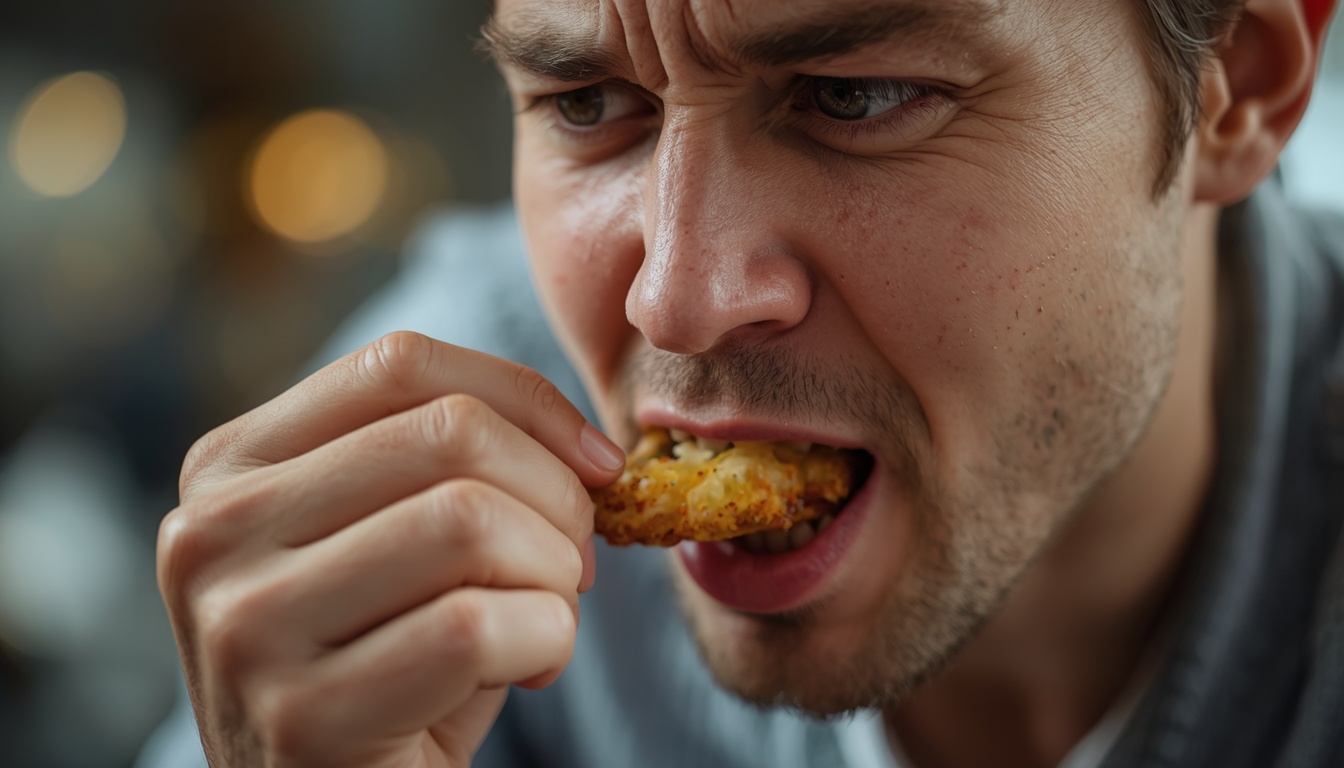
Most everyday burps are swallowed air. Eating quickly, talking through a meal, sipping through a straw, chewing gum, and drinking carbonated beverages all load the stomach with nitrogen and carbon dioxide that never needed to be there. The stomach is a mixer, not a storage tank for balloons. When the air pocket grows, stretch receptors trigger a belch.
A second source is gas produced in the upper gut as food meets acid and enzymes. That contribution is usually smaller in the first hour after a meal than people assume. The loud, repeatable afternoon sequence is more often mechanical: air in, valve open, air out — again and again — especially if you keep sipping, snacking, or sitting in a slump that raises pressure under the diaphragm.
Gastroenterology research has long separated “gastric belching,” which vents a true air pocket from the stomach, from “supragastric belching,” in which air is sucked into the esophagus and expelled before it ever reaches the stomach. The second pattern can become a habit loop. It feels involuntary. It is still trainable.
Why Afternoons Are Prime Time
Morning meals are often smaller and quieter. Lunch is the opposite for many adults: larger portions, colder drinks, a shorter window, and an immediate return to a chair. Several ordinary features stack:
- You eat faster because the calendar is tight
- The meal includes a sparkling drink, a salad with vinaigrette, onion, or a sugar alcohol sweetener
- You fold forward over a laptop, which crowds the stomach under the ribs
- You keep sipping coffee or flavored water, adding swallows of air all afternoon
- Stress tightens the upper abdomen and makes swallows shallower
None of those require a damaged gut. They require a lunch that asked the stomach to work while the ribcage was busy holding a slouch. Related patterns show up in our pieces on afternoon bloating and brain fog after lunch.
Common, Usually Harmless Causes
These are the frequent, reversible reasons an afternoon sounds like a soda can:
- Carbonated drinks, including sparkling water “for hydration”
- Gum, hard candy, and mints that keep you swallowing
- Straws, sports-bottle nozzles, and rapid sipping
- Talking while chewing
- Large volumes of liquid with the meal
- Foods that relax the sphincter or ferment quickly for you personally — onion, garlic, beans, sugar alcohols, very fatty takeout
- A tight waistband after a bigger lunch
- Post-nasal drip or a stuffy nose that forces more mouth breathing and air swallowing
Pregnancy, the later weeks especially, can increase burping because the growing uterus lifts the stomach. That is anatomy, not failure.
Reflux, Habit Belching, and a Sensitive Valve
Some people do not just vent air. Acid or mixed stomach contents travel with it. That is reflux. A sour taste, a burn behind the breastbone, or burps that taste like the meal point in that direction. Evening versions of this pattern are covered in heartburn after dinner.
The valve at the top of the stomach is supposed to stay closed except for swallows and occasional belches. Frequent large meals, extra abdominal pressure from slouching or straining, and some foods make it open more often. The result can be a cycle: a small burp, a swallow of air to “clear” the feeling, another burp.
Supragastric belching is the name specialists use when air never reaches the stomach. People often notice they can almost feel the air being pulled in. Speech therapists and some gastroenterology clinics teach awareness and diaphragmatic breathing to interrupt the loop. It is not imagined. It is a learned motor pattern, and learned patterns can be unlearned.
Hidden Triggers
A few less obvious amplifiers:
- Sugar-free gum and “digestive” mints sweetened with sorbitol, xylitol, or maltitol
- Protein shakes blended with air and drunk quickly
- Chewing ice
- Nasal congestion that turns every swallow into a gulp
- Anxiety that sits in the chest and produces repeated dry swallows
- Very cold drinks on an empty-then-suddenly-full stomach
- Eating while walking and talking on the phone
Medication can play a part. Some diabetes drugs, fiber supplements taken too fast, and effervescent tablets add gas. If a new prescription arrived the same week the burping did, that timeline is worth mentioning at a visit.
What Actually Helps
Start with air intake, not with a complicated elimination diet.
- Swap the sparkling drink at lunch for still water. Give it three days before judging.
- Put the fork down between bites. Slowing the meal is more effective than most supplements.
- Skip straws and bottle nozzles for a week.
- Park gum and hard candy.
- Sit tall for ten minutes after eating. A short walk is better still — the same idea behind a walk after meals.
- Loosen the waistband. Pressure from below pushes air toward the valve.
- Breathe through the nose when you can. Mouth breathing is an air pump.
- If you catch a burp-swallow-burp loop, pause, inhale low into the belly, and wait. Do not “help” the next one.
A food-and-timing note for two or three afternoons can reveal a personal trigger without turning lunch into a project. Write the drink, the pace, and the posture. Patterns show up quickly.
Peppermint can relax the sphincter in some people and worsen reflux-type burps even as it feels “digestive.” Ginger tea is gentler for many. Neither replaces slower eating.
When Extra Burping Is Not Just Air
See a clinician if burping arrives with any of the following:
- Unintentional weight loss
- Trouble swallowing, food sticking, or pain on the way down
- Vomiting blood, black stools, or repeated vomiting
- Persistent heartburn that does not ease with meal and posture changes
- Severe upper-abdominal pain, jaundice, or fever
- Burping that is new, relentless, and paired with chest pain or breathlessness — treat that as urgent
Helicobacter pylori infection, delayed stomach emptying, gallbladder issues, and less common esophageal disorders can include belching among other symptoms. Those diagnoses are made with a history and, when needed, tests — not with a search for a single villain food.
Myths vs Facts
Myth: Frequent burping means you have too much stomach acid.
Fact: Most afternoon burping is swallowed air or a valve that is opening often. Acid may travel with a belch in reflux, but more acid is not the usual first explanation.
Myth: You should force the rest of the air out so it does not “stay trapped.”
Fact: Coaching more belches often pulls more air in. Stillness and nasal breathing beat forcing.
Myth: Only unhealthy eaters burp after lunch.
Fact: A careful eater with a straw, a sparkling water, and a slouched chair can out-burp a messy eater who sits tall and walks afterward.
Myth: If it happens every day it must be a disease.
Fact: Daily habits create daily reflexes. Change the habit first unless red flags are present.
How to Manage a Burpy Afternoon at Work
You do not need a private office. Drink still water. Sit back in the chair so the ribs can move. Take a five-minute walk after lunch even if it is only a corridor loop. Delay coffee for twenty minutes so you are not stacking acid and air on a full stomach. If a meeting is coming, skip the gum “to stay fresh.”
Stress and digestion share a nerve highway. A tight afternoon does not invent a new stomach, but it does change swallows and muscle tone. A slower exhale before the next bite is a small, free intervention. Broader stress-and-gut patterns belong with the same calm toolkit you would use for any busy day — not with panic about the organ itself.
When to See a Doctor
Book a visit if the burping is new and lasts more than a few weeks despite dropping carbonation, slowing meals, and walking after lunch; if it wakes you at night; or if any red-flag symptoms above appear. Bring a short log of meals, drinks, and timing. That log is more useful than a long list of supplements you have already tried.
People with known reflux, hiatal hernia, or delayed emptying should not treat afternoon burping as a separate mystery. It is often the same system asking for smaller evening meals, earlier dinners, and less pressure around the middle — themes that also appear in practical reflux care.
FAQs
Is it normal to burp ten times after lunch?
It is common when the meal was fast, fizzy, or large. Common is not the same as obligatory. Slowing the meal usually cuts the count without a prescription.
Does burping mean I have a food intolerance?
Not by itself. Intolerances more often bring bloating, cramps, or changes in stool. Air swallowing can mimic “intolerance” for hours.
Should I take an antacid every afternoon?
If there is no burn and no sour taste, antacids address the wrong problem. Fix the air first. If heartburn is part of the picture, short-term antacid use is a different conversation with a clinician.
Why do I burp more when I am nervous?
Anxious breathing is higher in the chest and includes extra swallows. The stomach receives air it did not ask for. The belch is the refund.
Can children have the same afternoon pattern?
Yes, especially with juice, straws, and rushed school lunches. The same air-reduction steps apply. Persistent pain, poor growth, or swallowing trouble needs a pediatric visit.
Is there a supplement that stops belching?
No reliable pill replaces slower eating and still drinks. Simethicone may change bubble texture for some people; it does not fix a straw habit.
Conclusion
An afternoon of burps is usually a ventilation problem, not a character flaw and not automatic proof of disease. The stomach is trying to send back air that lunch, fizz, and posture delivered. Give it less air, more time, and a ribcage that can move, and the reflex typically quiets. Keep an eye on the rare warning signs, and treat the rest as adjustable plumbing rather than a verdict on your gut.