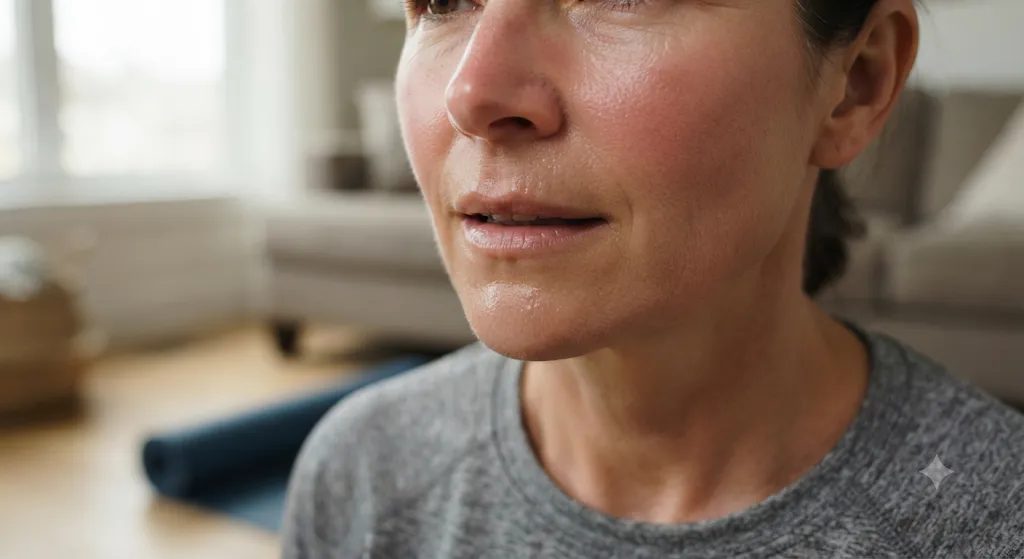
Yes—mild skin tightness after a chlorinated swim is common. Chlorine and prolonged water contact strip surface oils and raise skin pH, increasing water loss. Most people recover within hours with a quick rinse and moisturizer.
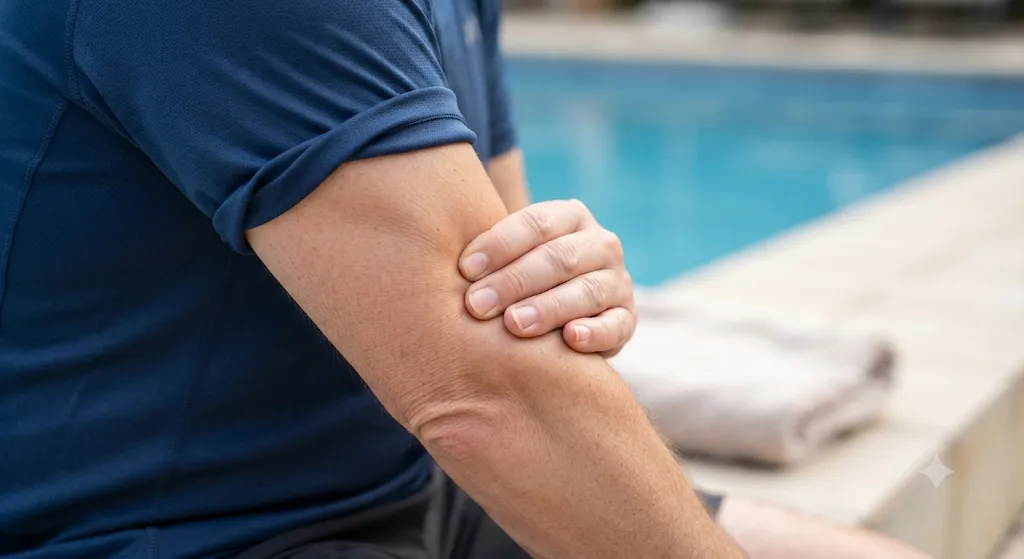
You climb out of the pool, towel off, and within twenty minutes your skin feels oddly tight—like it has been lightly starched. The sensation is usually strongest on the arms, legs, and face. It is not dramatic pain, just an uncomfortable pull when you bend an elbow or smile. For most people this is ordinary, not a sign that something has gone wrong.
What This Sensation Actually Feels Like
The tightness is typically mild to moderate. Skin may look slightly duller or feel rougher to the touch. Some people notice a faint itch or a brief stinging when they later apply lotion. Redness is minimal or absent. The feeling usually peaks in the first hour after leaving the water and begins to ease once the skin is rinsed and moisturized. Occasional swimmers often recover by the next morning. Frequent swimmers may notice the tightness returns more readily until the barrier has a chance to rebuild.
Why Chlorinated Water Leaves Skin Tight
Your skin barrier depends on a thin film of sebum and intercellular lipids that slow water loss. Chlorine is an oxidizer; it reacts with those lipids and with surface proteins. Pool water is also usually less acidic than healthy skin (roughly pH 6.5–7.5 versus the skin’s preferred 4.5–5.5). The higher pH loosens the organization of the lipid matrix, so moisture escapes faster—a process measured as increased transepidermal water loss.
A 2009 study by Gardinier and colleagues measured nine women after one hour in a public pool and found reduced skin hydration, lower sebum levels, and a higher surface pH; values largely returned to baseline the following day. Earlier work by Seki and colleagues showed that free residual chlorine can measurably lower the water-holding capacity of the outer skin layer, especially at higher concentrations. Even plain water contributes by rinsing away natural moisturizing factors. The combination of chemical oxidation, pH shift, and prolonged immersion produces the familiar post-swim tightness. Chloramines—formed when chlorine meets sweat and organic matter—can add irritation, particularly in busy indoor pools.
People whose barriers are already thinner (dry skin, eczema, recent sun exposure, or frequent washing) notice the effect more. This is the same barrier vulnerability discussed in articles on outdoor humidity fluctuations and mild friction: the skin expects a certain range of environmental challenges and recovers when those challenges stay intermittent.
Common Triggers That Make It Worse
Longer sessions, higher chlorine residual, warm water, and poor ventilation all increase the load. Skipping a post-swim rinse lets residual chlorine continue to act while it dries on the skin. Hot showers and strong soaps afterward strip still more lipid. Outdoor pools add UV, which further stresses the barrier. Repeated daily training without recovery time keeps the barrier in a partially depleted state, so tightness becomes more persistent.
When the Tightness Is Not Just Ordinary
Mild tightness that improves within a day or two is expected. Seek medical advice if you notice:
- A spreading rash, blisters, or open weeping areas
- Intense itching that interferes with sleep
- Signs of infection (increasing redness, pus, fever)
- Tightness or irritation that continues to worsen after 48–72 hours of simple care
- Hives, facial swelling, or breathing difficulty (these require urgent care)
Cleveland Clinic clinicians note that true irritant reactions from chlorine usually resolve within hours to a couple of days once exposure stops. A reaction that keeps returning in the exact same pattern may point to a different trigger, such as a swimwear material or an underlying skin condition.
Myths Versus Facts
Myth: Tightness means you are allergic to chlorine.
Fact: Most post-swim tightness is irritant contact dermatitis or simple barrier disruption, not a true allergy. Allergic reactions are less common and often involve more obvious hives or swelling.
Myth: Only heavy chlorine causes the feeling.
Fact: Even properly maintained pools can produce mild tightness because of the combination of oxidizer, pH, and prolonged water contact. The dose and your baseline barrier both matter.
Myth: You should scrub hard to “get the chlorine off.”
Fact: Aggressive scrubbing removes still more protective lipid. A gentle rinse is more helpful.
Practical Ways to Reduce the Tightness
Rinse with fresh, lukewarm water as soon as practical after leaving the pool—ideally within a few minutes. Use a mild, fragrance-free cleanser only if needed; avoid hot water and scrubbing. Pat dry and apply a moisturizer while the skin is still slightly damp. Creams containing ceramides, glycerin, or simple petrolatum help restore the lipid barrier. If you swim often, a thin layer of moisturizer or a barrier cream before entering the water can reduce how much chlorinated water is absorbed.
Shorten sessions or alternate pool days when tightness becomes bothersome. Keep skin generally well-hydrated between swims so the barrier starts from a stronger baseline. After outdoor swimming, continue sun protection once the immediate chlorine is rinsed away.
Frequently Asked Questions
How long should the tightness last?
For an occasional swim, most people feel better within a few hours to one day. Frequent swimmers may need consistent post-swim care for the sensation to stay mild.
Is it worse in indoor pools?
Often yes. Indoor pools can accumulate more chloramines when ventilation is limited, and the combination of chemical and humidity stress can feel more noticeable.
Can I prevent it completely?
Not always, but prompt rinsing and moisturizing reduce both the intensity and the duration for most people. Pre-swim moisturizer offers additional protection for regular swimmers.
Does saltwater do the same thing?
Saltwater can also leave skin feeling dry once it evaporates, but the mechanism is different. Chlorine’s oxidizing action is the main driver of the classic post-pool tightness.
When should I see a doctor or dermatologist?
If a rash spreads, blisters form, symptoms last more than a couple of days despite simple care, or you have signs of infection or a systemic reaction, arrange a professional evaluation.
Conclusion
Feeling tight skin after a chlorinated swim is a normal response to temporary barrier disruption. Chlorine and the water itself remove surface oils and raise pH, so moisture escapes more easily. For the large majority of people the sensation is brief and easily managed with a prompt rinse and moisturizer. Paying attention to how quickly your skin recovers also gives useful feedback about your baseline barrier health—something that matters far beyond the pool. If the reaction is intense, prolonged, or accompanied by other warning signs, a clinician can help distinguish ordinary irritation from something that needs specific treatment.