
A sharp catch in your side when you cough is usually a strained muscle between the ribs. Learn the common causes, when it settles on its own, and the signs that need a check.
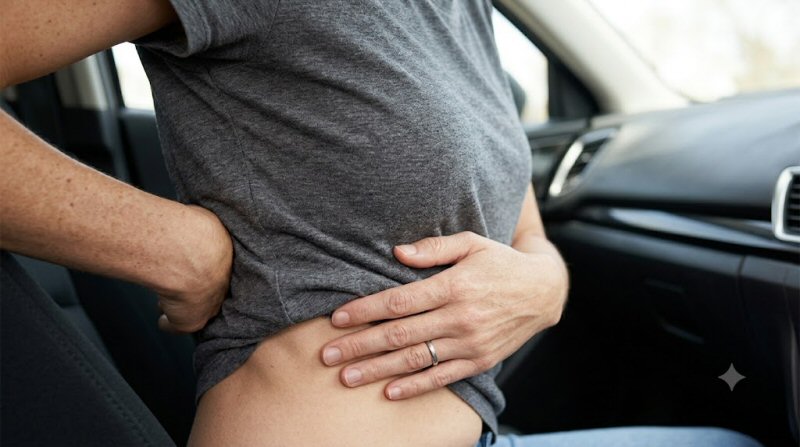
You are midway through a cold, or you just had a big laugh that turned into a cough, and suddenly a sharp, grabbing pain shoots through one side of your lower ribs. It catches again with the next cough, and maybe even when you twist to reach for something. The first thought is often “Did I pull something?” or, more worryingly, “Is this my lung?”
In most cases the answer is simpler: the thin muscles that run between your ribs have been overworked by repeated forceful coughing and are now tender and irritable. That is a very common, usually temporary, musculoskeletal complaint. The same chest-wall muscles that help expand the rib cage with every breath are also asked to contract hard and fast when you cough. After enough repetitions they can develop a mild strain, exactly the way a calf muscle can after a long hike.
This article explains what that side pain typically feels like, why coughing triggers it, the everyday factors that make it more likely, and the clear signals that mean you should get it checked rather than waiting it out.
What This Symptom Feels Like
People usually describe a sharp or stabbing catch on one side of the lower chest or upper abdomen, right where the ribs curve. The pain is strongest at the moment of the cough and then fades to a dull ache. It often returns with a deep breath, a sneeze, a twist, or when you press between the ribs. Some notice the spot feels tight or protective, as if the muscle is guarding itself. Turning in bed or putting on a seatbelt can find the same place. The pain is almost always on one side and stays in a fairly small area rather than spreading across the whole chest.
It is different from a side stitch that appears during running, which is usually a cramp-like feeling higher or more central and eases when you slow down. It is also different from the brief, random rib twinges that can happen with a sudden sneeze if you have already written about that pattern. Here the trigger is clearly the cough itself, and the tenderness is reproducible by pressing or by moving the torso.
Common Causes
The most frequent reason is a mild strain of one of the intercostal muscles—the three thin layers of muscle that fill the spaces between the ribs. These muscles stabilize the chest wall and help change its volume during breathing. A vigorous or prolonged cough forces them into rapid, high-force contractions while the ribs are already under pressure. After enough of those contractions the muscle fibers can develop micro-tears or simply become inflamed and sensitive. Clinicians who see urgent-care patients, such as those described by Victoria Leybov and others, note that this pattern is common after a cold, bronchitis, or even a bout of hard laughter that ends in coughing.
A similar strain can occur in the oblique or rectus abdominis muscles of the upper abdominal wall, which also fire hard during a cough. In that case the pain sits a little lower, closer to the side of the belly, but still worsens with the same movements. Less often, the cartilage where the ribs meet the breastbone or the small joints at the back of the ribs can become irritated by the same repeated stress.
None of these require a dramatic injury. Days of ordinary coughing are enough. The same mechanism is why people who have already had a side stitch while exercising or whose intercostal muscles rarely get full sideways expansion in daily life can notice the area more quickly once a cough starts. You can read more about how those muscles are built for varied rib movement in the article on why your intercostal muscles still expect sideways expansion.
Why This Happens
Every cough is a brief, high-pressure event. The abdominal muscles and diaphragm drive air out forcefully while the intercostal muscles stiffen the rib cage so the pressure can build. When you cough only a few times, the muscles recover easily. When you cough dozens of times an hour for several days, the same fibers are asked to work near their limit repeatedly. Blood flow increases, local inflammation rises, and the muscle becomes tender to stretch or load—exactly the sensation you feel when the next cough arrives.
Posture can make the area more vulnerable. Long periods of sitting with a rounded upper back reduce the normal small rotations and side-bends the thoracic cage expects. When a cough then forces a sudden expansion or twist, the under-used muscle is less prepared. This is a mild form of the mismatch described in pieces about rib movement and walking. The muscle is not “weak” in a permanent sense; it simply has not been asked to handle sudden, repeated high-force work while also being held in a relatively fixed position for most of the day.
Dehydration, poor sleep, and the general fatigue of being ill can lower the threshold further. Muscles that are under-recovered are more prone to the same micro-injury that a well-rested muscle would shrug off.
Less Common but Serious Causes
Most side pain that appears only with coughing and is tender to the touch is muscular. A smaller number of cases involve the lining around the lung (pleurisy), a rib that has been stressed enough to crack, or, rarely, something inside the abdomen that is irritated by the pressure change of a cough. Pleuritic pain tends to be sharper with every breath, not only with the cough, and is often accompanied by a fever or a feeling of being systemically unwell. A fractured rib from coughing is uncommon but possible after weeks of violent coughing; the pain is more constant and the spot is exquisitely tender.
Pain that radiates into the arm, jaw, or between the shoulder blades, or that arrives with sweating, nausea, or sudden shortness of breath, needs immediate attention because those features can overlap with cardiac or pulmonary problems. In an otherwise healthy person who has been coughing for a few days and whose pain is clearly localized and reproducible by pressing or twisting, those more serious explanations are unlikely. Still, the distinction is not always obvious from symptoms alone, which is why the “when to worry” section below is written conservatively.
Hidden Triggers
A few everyday factors make the same cough more likely to produce a lasting sore spot:
- Coughing while already twisted—reaching into the back seat of a car, for example, or turning to talk.
- Holding the breath or bracing tightly between coughs, which keeps the muscle under constant low-level tension.
- Sleeping on the painful side, so the muscle never fully unloads overnight.
- Continuing high-volume talking or laughing while the area is already irritated.
- Low overall movement during the illness, so the thoracic cage stays stiff and the next cough meets more resistance.
People who already get side stitches during exercise sometimes notice the same region becomes sensitive once a cough begins. The underlying tissue tolerance is simply lower. The article on why you get a side stitch when you exercise covers that related pattern.
When to Worry
Seek prompt medical care if any of the following appear:
- Shortness of breath that is new or worsening, especially at rest.
- Fever, chills, or a cough that is producing discolored sputum.
- Pain that spreads to the arm, neck, jaw, or back, or that arrives with sweating, nausea, or a sense of impending collapse.
- Pain that is constant and severe even when you are not coughing or moving.
- Visible bruising, swelling, or a deformity along the rib.
- Pain that follows a fall, a blow to the chest, or a period of extreme coughing in someone with osteoporosis.
- Symptoms that are not improving after 7–10 days of rest and simple measures, or that keep waking you at night.
If the pain is clearly tied to coughing, stays in one tender spot, and eases between coughs, most clinicians will first treat it as a muscle strain while watching for the red flags above.
Myths vs Facts
Myth: Side pain with a cough always means something is wrong with the lung.
Fact: The large majority of localized, tender side pain that appears during a bout of coughing is muscular. Lung-related pain is usually accompanied by other clear signs of illness.
Myth: You should avoid all movement until the pain is gone.
Fact: Gentle walking and easy breathing keep the chest wall from stiffening further. Only the movements that sharply reproduce the pain need to be limited for a few days.
Myth: A sharp catch means a rib is cracked.
Fact: Rib fractures from coughing alone are uncommon. Most sharp catches are soft-tissue. Persistent pinpoint pain after a fall or in an older adult is the situation that needs imaging.
Similar myths appear around rib pain with sneezing; the underlying mechanics are close, which is why the piece on ribs that hurt when you sneeze is useful reading if that pattern also appears.
How to Manage It
Most mild intercostal or abdominal-wall strains settle in a few days to two weeks with simple steps:
- Support the sore side with a small pillow or your hand when you need to cough. The external pressure reduces the sudden stretch on the muscle.
- Use an over-the-counter pain reliever such as ibuprofen or acetaminophen if you have no reason to avoid them, following the package directions.
- Apply a warm pack for 10–15 minutes a few times a day once the first 24 hours have passed; some people prefer ice in the very beginning if the area feels hot or swollen.
- Keep breathing. Shallow breaths protect the muscle in the short term but leave the chest wall stiffer. Practice slow, comfortable breaths that do not sharply increase the pain.
- Stay lightly active. Short walks and gentle side-to-side movements that stay below the pain threshold help circulation and prevent the area from locking up.
- Sleep with a pillow supporting the sore side so the muscle is not compressed all night.
- Address the cough itself with whatever measures your clinician has already recommended (hydration, honey for adults, humidified air, etc.) so the muscle is not re-injured dozens of times a day.
Avoid heavy lifting, sudden twists, and prolonged sitting in a slumped posture while the area is still catching. Once the sharp pain has faded, a few days of easy thoracic rotation and side-bending help restore the normal motion the rib cage expects.
When to See a Doctor
Make an appointment if the pain is still clearly limiting your breathing or sleep after a week, if you are unsure whether the tenderness is muscular, or if you have any of the red-flag symptoms listed earlier. A clinician can usually distinguish a muscle strain from other causes with a short history and by pressing and moving the area. Imaging is rarely needed for a straightforward strain but is appropriate when fracture, infection, or another internal problem remains possible.
Frequently Asked Questions
Can a single hard cough cause this?
Yes. One especially forceful cough while you are twisted or already fatigued can strain the muscle. More often, though, the soreness builds over a day or two of repeated coughing.
Why does it hurt more on one side?
You tend to brace or twist slightly toward one side when you cough, so one set of intercostal fibers takes more of the load. The pain stays on that side because the strain is local.
Is it safe to keep coughing if it hurts?
You cannot stop the cough, but supporting the side with a pillow or hand makes each cough less stressful on the muscle. Treating the underlying cough so it becomes less frequent is the most helpful long-term step.
How long should I expect it to last?
Mild strains often improve noticeably within 3–5 days and are largely gone in 1–2 weeks. If the same sharp catch is still present after two weeks of reduced loading, it is reasonable to have it examined.
Could this be related to my heart?
Localized side pain that is tender to the touch and clearly worse with coughing or twisting is almost never cardiac. Pain that is central, pressure-like, radiates to the arm or jaw, or arrives with sweating or nausea needs urgent evaluation regardless of coughing.
Will stretching help right away?
Aggressive stretching while the muscle is acutely sore usually increases the pain. Gentle movement and supported breathing are better in the first few days; fuller stretches can wait until the sharp catch has eased.
Conclusion
A sharp pain in your side that appears when you cough is, for most people, a temporary strain of the muscles that stabilize the rib cage. Those muscles are doing exactly the job they were built for—protecting the chest wall under sudden pressure—but repeated high-force work while you are already tired or relatively still leaves them tender. Supporting the area, keeping gentle movement, and letting the cough settle usually resolve the problem within days to a couple of weeks.
Pay attention to the red flags, especially new shortness of breath, fever, or pain that does not stay localized. When those are absent, the catch in your side is far more likely to be an overworked intercostal muscle than anything more serious. Give it the same practical care you would give any other mild muscle strain, and it will usually quiet down on its own.


