
Yes, temporary foot numbness after long periods of standing is common due to blood pooling and mild nerve pressure, and it usually fades once you move.
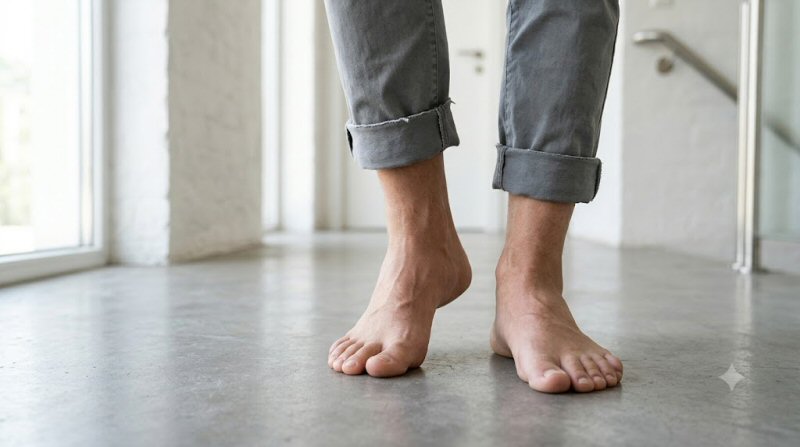
You finish a long shift on your feet, sit down for the first time in hours, and notice a strange deadness or pins-and-needles feeling spreading across the soles of your feet. The sensation can be unsettling, especially when it arrives right as you finally get to rest. In most cases this temporary numbness is a normal response to prolonged standing rather than a sign of something serious.
What This Symptom Feels Like
The numbness usually begins as a mild tingling or a “cotton-wool” feeling under the balls of the feet or across the toes. Some people describe it as their feet having fallen asleep, with a slight burning edge once they finally sit or walk. The sensation often peaks in the first few minutes after you stop standing and then gradually fades as you move around or elevate your legs. It is typically felt in both feet and does not come with sharp pain or weakness.
Common Causes
Several ordinary factors combine when you stand still for many hours. Gravity encourages blood to pool in the lower legs and feet because the calf-muscle pump is less active when you are not walking. Mild compression of small nerves in the feet can occur from the constant pressure of your body weight against hard floors, especially if shoes are snug or lack cushioning. Foot muscles also fatigue, which can temporarily alter how weight is distributed and further irritate local nerves. Dehydration or low salt intake can make the pooling more noticeable. Occupational research on people who stand for long shifts consistently links these temporary sensory changes to reduced venous return and local pressure rather than permanent nerve damage.
Why This Happens
Your veins rely on the rhythmic contraction of the calf muscles to push blood upward against gravity. When you stand in one place, that pump largely switches off. Blood and fluid accumulate in the lower extremities, slightly raising pressure around the small nerves that supply the soles and toes. At the same time, the plantar surface of the foot is under continuous load, which can briefly reduce blood flow through the tiny vessels that nourish those nerves. The result is a temporary interruption of normal sensory signals—exactly the same mechanism that produces pins and needles after you sit cross-legged, only triggered by standing rather than sitting. Once you walk or elevate your feet, the pump restarts, pressure drops, and normal sensation returns within minutes.
Less Common but Serious Causes
Persistent or progressive numbness can point to underlying conditions. Peripheral neuropathy, most often linked to diabetes or vitamin deficiencies, produces a more constant stocking-like numbness that is present even when you are not standing. Peripheral artery disease narrows the arteries and may cause numbness or pain that appears with walking and eases with rest. A lumbar disc problem can send radiating numbness down one leg. Deep-vein thrombosis is rare but important to exclude if one leg suddenly swells and feels numb or heavy. Chronic venous insufficiency can also produce end-of-day tingling that is accompanied by visible varicose veins, ankle swelling, and skin changes.
Hidden Triggers
Hard concrete or tile floors amplify the pressure under the feet compared with more forgiving surfaces. Shoes that are too narrow, have thin soles, or lack arch support concentrate load on the same small areas for hours. Standing completely still—rather than shifting weight or taking occasional steps—turns the calf pump off more completely. Low overall fitness means the small foot muscles tire faster. Pregnancy, excess weight, or a history of varicose veins can make the same amount of standing produce more noticeable pooling. Even mild dehydration after a long day without enough fluid can tip the balance toward earlier numbness.
When to Worry
Temporary numbness that clears within 15–30 minutes of moving or elevating your feet is almost always benign. Seek medical advice if the numbness lasts longer than an hour after you sit down, affects only one foot, is accompanied by significant swelling or color change in one leg, comes with weakness or difficulty walking, or appears together with back pain that radiates into the leg. Sudden numbness with chest pain, shortness of breath, or severe headache also warrants prompt evaluation. People with known diabetes, circulation problems, or a history of blood clots should mention recurrent foot numbness to their clinician even if it seems mild.
Myths vs Facts
Myth: Foot numbness after standing always means you have diabetes or a serious nerve disease.
Fact: Most episodes are simply the result of temporary blood pooling and pressure; they resolve with movement and do not indicate permanent damage.
Myth: Only people with flat feet or bad shoes experience this.
Fact: Anyone who stands still for many hours can develop the sensation; supportive shoes help but are not the sole factor.
Myth: You should ignore it if it goes away when you sit down.
Fact: While most cases are harmless, recurrent or worsening symptoms deserve a check to rule out treatable circulation or nerve issues.
How to Manage It
Small changes during the day make a large difference. Shift your weight from foot to foot every few minutes and take a short walk or do calf raises whenever you can. Choose shoes with good cushioning and a slightly wider toe box; replace them before the soles become hard. Compression socks (light to moderate) can reduce pooling for people who stand all day, provided you do not have arterial disease. After work, elevate your feet above heart level for 10–15 minutes and gently move your ankles in circles. Stay hydrated and avoid locking your knees while standing. If you use a standing desk, alternate with sitting and keep a small footrest or mat under one foot to encourage subtle movement. Related sensations such as end-of-day swelling are discussed in our article on feet that swell after standing all day, and the role of the calf muscles appears in why calves feel tight after standing.
When to See a Doctor
Make an appointment if the numbness becomes more frequent, lasts longer each time, or starts appearing even after shorter periods of standing. Mention any accompanying symptoms such as burning pain at night, progressive weakness, one-sided swelling, or skin color changes. Your clinician may check blood sugar, vitamin levels, pulses in the feet, and, if indicated, perform nerve-conduction studies or vascular ultrasound. Early attention to treatable causes such as vitamin deficiency or early venous disease prevents later complications.
FAQs
Is this the same as the tingling you get from sitting cross-legged?
Yes, the mechanism is similar—temporary pressure and reduced blood flow to nerves—but the trigger is prolonged standing rather than a crossed-leg posture. Both usually resolve quickly once you change position.
Can standing desks cause the same numbness?
They can if you stand completely still for long stretches. The solution is the same: shift weight, take short walks, and alternate sitting and standing throughout the day.
Do I need special shoes or insoles?
Supportive, well-cushioned shoes often reduce the sensation, but they are only one part of the picture. Movement and avoiding locked standing positions matter more than any single product.
How long should the numbness last before I worry?
Most people notice improvement within a few minutes of walking or elevating the feet and full resolution within half an hour. Longer duration, especially if it is one-sided or accompanied by other symptoms, is worth checking.
Is foot numbness after standing linked to varicose veins?
It can be. People with venous insufficiency often report end-of-day heaviness, tingling, and swelling that improve with elevation. If you already have visible veins or ankle discoloration, discuss the numbness with a clinician.
Will this get worse as I get older?
Age-related changes in vein valves and nerve sensitivity can make the sensation more noticeable, but the same practical steps—regular movement, good footwear, and elevation—continue to help at any age.
Conclusion
Feeling your feet go numb or tingly after a long day of standing is a common, usually temporary response to blood pooling and mild nerve pressure. In most people it fades once the calf pump restarts and the feet are elevated. Paying attention to how long the sensation lasts, whether it is one-sided, and whether other symptoms appear helps you distinguish ordinary fatigue from something that deserves a closer look. Simple habits of shifting weight, choosing supportive shoes, and elevating your feet at the end of the day keep the problem small for the majority of people who spend their working hours upright.


