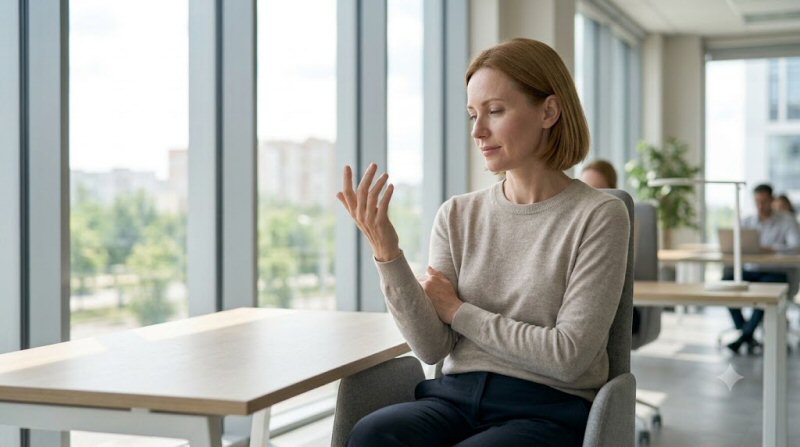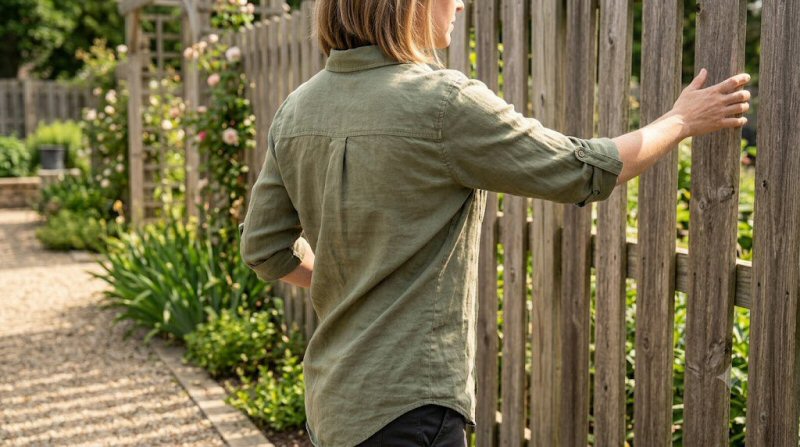
A painless click when you straighten an elbow is often joint cavitation, a tendon sliding over bone, or a tight capsule after desk flexion — not automatically damage. Learn when the sound is benign and when to get it checked.
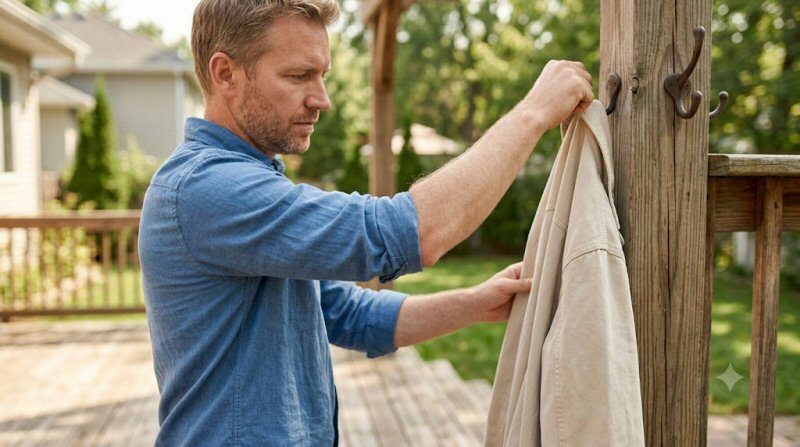
You reach for a glass, hang a coat, or lock your arm at the end of a stretch and hear it: a small click, pop, or thunk from the elbow. Sometimes it is only on the way out of a bent position after hours at a keyboard. Sometimes you can feel a tendon skip on the inner or outer bump. There is no sharp pain, the joint still tracks, and the next reach is quiet. Still, the sound is hard to ignore.
A painless elbow click when you straighten the arm is common. The joint is a tight hinge that also allows a little rotation. Bones, a small fat pad, two main tendons, and a fluid-filled capsule share a narrow space. When those parts glide, stretch, or briefly cavitate after being parked in flexion, they can make noise. The sound is not, by itself, a diagnosis of arthritis or a torn ligament. What matters is whether the click comes with pain, locking, swelling, or a nerve buzz into the ring and pinky fingers.
What This Symptom Feels Like
People describe it in a few overlapping ways:
- A single pop as the arm reaches full extension after sitting with bent elbows
- A soft click on the outside of the joint when you straighten after carrying a bag
- A snap on the inner bump when you twist the palm up at the end of the motion
- A thunk you can feel more than hear when you lock the elbow in a push-up or plank
- A click that is louder in the morning or after a long drive with the arm on a rest
The sound often fades once the joint has moved through a few full ranges. Many people can reproduce it once after stillness and then cannot find it again until the next long stretch of flexion.
Common Causes
Most painless clicks fall into a short list.
Cavitation in the capsule. When you straighten a joint that has been held still, joint fluid can form a brief gas bubble that collapses with a pop. Engineer A. Unsworth and later Gregory Kawchuk mapped this pattern in other joints. The same physics applies at the elbow. The joint is quiet for a short time afterward because the gas has to redissolve before another pop can form.
Tendon glide over bone. The triceps tendon rides the olecranon at the back of the elbow. The biceps and brachialis tendons sit in front. After hours of desk flexion, those tendons can catch slightly and then snap into a straighter line as you lock the arm. Bernard Morrey’s work on elbow anatomy made this crowded corridor easy to picture: little extra room, a lot of sliding.
A tight anterior capsule after flexed posture. Modern days park the elbow near 90 degrees — typing, phones, driving, eating. The front of the capsule shortens to that range. The first full extension of the afternoon can tug that tissue over the joint line with a click, then settle.
A snapping triceps or snapping ulnar nerve. Less common but still often benign when painless, a portion of the triceps or the ulnar nerve itself can flip over the inner bump (medial epicondyle) as you straighten and twist. Shawn O’Driscoll described snapping triceps; Robert Spinner mapped the nerve version. You may feel a cord jump rather than hear a deep joint pop.
Minor synovial folds or a plica. A small fold of lining can catch and then release as the olecranon seats into its fossa. This is more likely after a period of under-use than after a single hard workout.
These mechanisms often stack. A flexed desk day plus a sudden reach plus a slightly tight triceps is a classic recipe for one loud, painless click.
Why This Happens
The elbow is not only a hinge. It also pronates and supinates — the palm-down and palm-up twist that lets you use tools. That combination means tendons change direction as you straighten and rotate. A motion that looks simple from the outside is a three-part slide on the inside.
Your ancestors used that slide all day: hanging, throwing, pushing off the ground, carrying, and reaching overhead. The capsule and tendons were warmed and cycled through end-range many times before anyone asked the arm to lock hard. A modern day does the opposite. The elbow lives in mid-range flexion, then is asked to straighten fully in one motion — hanging a shirt, pushing a door, locking out a press. The first pass through that unused range is when fluid shifts, a tendon finds a new line, or a small fold lets go.
Hard floors and thin sleeves do not cause the click, but they make it easier to hear. So does a quiet room after a still commute.
The same joint-noise story shows up nearby. A painless pop when you raise an arm is often a related glide or cavitation at the shoulder, and a walking ankle click is often a tendon finding its groove rather than a broken joint. The elbow is simply the hinge that desk life keeps bent the longest.
Less Common but Serious Causes
A minority of clicking elbows are not just noise.
- Loose body or cartilage flake. A small fragment can catch as the olecranon seats, with a clunk, brief lock, or sharp pinch rather than a clean pop.
- Instability after a fall on an outstretched hand. O’Driscoll’s posterolateral rotatory pattern can click or clunk as the joint subluxes slightly on the way into extension, usually with a sense of giving way.
- Arthritis or osteophytes. Age-related or post-injury bone spurs can grate or catch at end-range, often with morning stiffness that lasts and a loss of full straightening.
- Inflamed snapping ulnar nerve. If the nerve is unstable and irritated, the snap comes with pinky tingling, night waking, or a funny-bone shock that lingers. That pattern overlaps with the cubital-tunnel story of leaning on the elbow.
- Infection or inflammatory arthritis. Rare as a first sign, but a hot, swollen elbow that clicks and will not straighten is not a posture problem.
Pain, swelling, locking that you have to wiggle out of, or numbness that stays after you move are the features that pull a click out of the “probably just glide” group.
Hidden Triggers
Everyday habits make a quiet elbow louder.
- All-day keyboard and mouse work with the elbows parked at 90 degrees
- Phone use with a bent elbow and a twisted forearm
- Driving with the arm hooked over a rest or window
- Sleeping with the arm tightly folded under a pillow
- A sudden return to push-ups, dips, or overhead pressing after weeks off
- Carrying a heavy bag in one bent arm, then locking the elbow to set it down
- Cold rooms, which thicken synovial fluid until the joint warms
- Dehydration and long stillness, which leave the capsule less well lubricated for the first motion
None of these mean the joint is failing. They mean the first full extension of the day is asking a flexed hinge to do a job it has not practiced in hours.
When to Worry
Get a click checked if any of these show up:
- Pain with the sound, especially a sharp pinch at the back or inner bump
- Swelling, warmth, or a joint that will not fully straighten or fully bend
- Locking that needs a wiggle, or a sense that the joint is slipping
- Pinky and ring-finger tingling, burning, or weakness that does not fade when you unbend the elbow
- A click that started after a fall, a sudden twist, or a pop during sport
- Progressive loss of motion over weeks
- Fever, redness, or an elbow that looks deformed
A single painless pop after sitting, with full strength and full motion, is a very different picture from a clunk that stops you mid-reach.
Myths vs Facts
Myth: If an elbow clicks, it is wearing out. Fact: Cavitation and tendon glide are common in healthy joints. Large imaging studies of other noisy joints show that sound alone is a poor predictor of future arthritis.
Myth: You should stop straightening the arm so the click cannot happen. Fact: Avoiding end-range usually makes the next click louder. Gentle, frequent full extension is what the capsule expects.
Myth: Cracking an elbow on purpose will loosen ligaments permanently. Fact: A typical cavitation pop does not stretch ligaments into instability. Repeated forced hyperextension under load is a different, unwise habit.
Myth: Only “old” elbows click. Fact: Young people who type, game, or drive with bent arms click too. Age changes the odds of spur-related catching; it does not own the sound.
Myth: A snapping feeling on the inner bump always means the nerve is damaged. Fact: A painless snap can be triceps or nerve subluxation without neuropathy. Damage is suggested by lasting numbness, night pain, or weak grip — not by sound alone.
How to Manage It
You do not need to silence every click. You can make the first extension of the day less dramatic.
Unbend more often. Every half hour, take both arms from the keyboard to a gentle straight position with the palms forward. Hold for a breath. The goal is to stop the capsule from adapting only to 90 degrees.
Warm the hinge before you lock it. Circle the forearms, then slowly straighten. Cold, still fluid clicks more than warm, moving fluid.
Change the desk angle. A slightly more open elbow at the keyboard — not a locked one, just less than a sharp 90 — reduces the sudden stretch when you reach.
Ease into pressing. If push-ups or dips brought the click back, lower the volume for a week and lock out slowly rather than snapping into extension.
Unload the inner bump. If the snap is on the funny-bone side, avoid prolonged lean and sleeping with a tightly bent elbow. A towel wrap that keeps a little night extension can help the nerve version settle.
Hydrate and move after long sits. Synovial fluid behaves better when you are not still and dry.
These are the same low-drama habits that help a neck that clicks when you turn and an ankle that clicks on a walk: give the joint the range it is about to use, then use it.
When to See a Doctor
See a clinician if pain, swelling, locking, or nerve symptoms travel with the click, or if you cannot fully straighten the arm compared with the other side. A sports-medicine or elbow-focused exam can tell cavitation from a snapping triceps, a snapping ulnar nerve, a plica, or true instability. Imaging is not the first step for a painless pop with full motion, but it matters after trauma or when the joint catches.
If pinky tingling is the main partner of the snap, the visit may look more like a cubital-tunnel evaluation than a “joint noise” visit — the same nerve that buzzes when you lean on the elbow.
FAQs
Is it normal for only one elbow to click? Yes. The arm you mouse with, drive with, or sleep on is often the louder one. Asymmetry alone is not a red flag if motion and strength match.
Why does it click only the first time I straighten after sitting? Cavitation and a tight anterior capsule both favor the first pass through unused range. After that, gas has to redissolve and the tissues have already lengthened a little.
Can typing cause permanent elbow damage just because I hear a click? A painless click is not evidence of damage. What typing does is keep the joint flexed. Breaks that include full, easy extension are the useful counter, not fear of the sound.
Should I stretch into a painful lock-out? No. Gentle, pain-free straightening is useful. Forcing a sharp end-range under load is not.
Is a snap on the inner elbow the same as hitting the funny bone? Not always. The funny-bone shock is the ulnar nerve being compressed. A snap can be that nerve sliding, or it can be a slip of triceps. Lasting tingling is what makes the nerve version worth a closer look.
Will cracking it on purpose make arthritis more likely? Evidence from other joints does not support the idea that ordinary cavitation pops cause arthritis. Pain, swelling, and lost motion are the features to watch — not the soundtrack.
Conclusion
A painless click when you straighten an elbow is usually the sound of a hinge leaving a flexed parking spot: a bubble collapsing, a tendon lining up, or a capsule that spent the morning at 90 degrees. The joint was built for hanging, pushing, carrying, and locking out many times a day, not for a single dramatic extension after hours at a desk.
Let the sound be information, not a verdict. If the arm is strong, quiet after a few moves, and free of swelling or nerve buzz, the click is almost always a posture story. If pain, lock, or numbness tags along, get the hinge examined. In the meantime, unbend more often than modern furniture invites — the elbow still expects to finish the motion, not just hover in the middle of it.