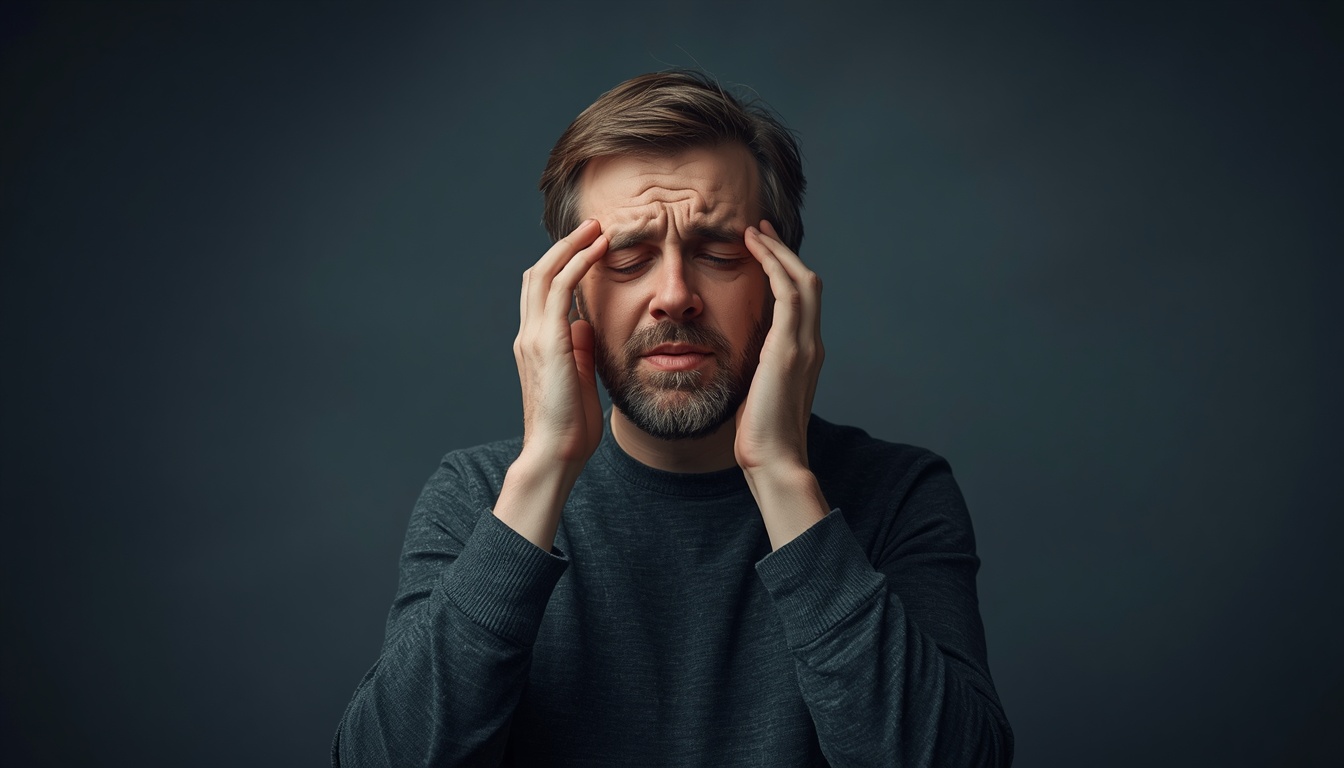
A brief pop or click in the ear when you swallow or yawn is usually the Eustachian tube equalizing middle-ear pressure. Learn why it happens, when it is healthy, and when fullness that will not clear needs a check.

You swallow a sip of water and hear a tiny click. You yawn in a meeting and one ear suddenly opens, as if someone flipped a switch. On a plane the same pop can feel like relief after a long stretch of muffled hearing. The sensation is so ordinary that most people never give it a name — until it happens loudly in a quiet room, or until it stops happening and the ear stays full.
That pop is usually the Eustachian tube doing its job. The tube is a short, mostly closed passage from the back of the nose to the middle ear. For a fraction of a second it opens, a wisp of air moves, the eardrum settles, and you hear the event as a click, crackle, or brief whoosh.
What the Pop Actually Feels Like
A typical healthy pop is:
- Brief — often under half a second
- Painless
- Linked to a swallow, yawn, or chew
- Followed by clearer hearing, not worse hearing
- Sometimes louder in one ear than the other
It is not the same as:
- A wet gurgle that lasts through a whole cold
- A ringing pulse in time with your heartbeat
- Pain that climbs during a descent on a flight and will not ease
- A click that comes from the jaw joint in front of the ear rather than from inside the canal
The last distinction matters. The jaw joint sits immediately in front of the ear canal. A mechanical jaw click can be mistaken for an ear pop. If the sound tracks chewing more than swallowing, the joint is the more likely source, as described in our guide to jaw clicking while you chew.
Why Swallowing and Yawning Open the Ear
The middle ear is a small air-filled room behind the eardrum. That air is slowly absorbed by the lining of the space. If nothing replaced it, pressure behind the drum would fall and the drum would retract. Hearing would dull. The Eustachian tube is the refill valve.
At rest the tube stays closed. That closure is useful: it keeps the noisy, germ-rich back of the nose from broadcasting straight into the ear. Opening is brief and muscular. Two small muscles do most of the work:
- Levator veli palatini lifts the soft palate and rotates the cartilaginous mouth of the tube
- Tensor veli palatini tenses and dilates the valve itself
Swallowing and yawning recruit both. Videoendoscopy and electromyography work led by Dr. Cuneyt M. Alper and colleagues at the University of Pittsburgh, including studies with Dr. William J. Doyle, has shown a consistent sequence: levator activity starts first, tensor activity follows, and the tube then dilates for a short window. In healthy adults that open window often lasts about 0.4 seconds. Dr. Dennis S. Poe and collaborators, using transnasal endoscopy, have documented the same valve motion during swallows and forced yawns.
Classic physiology texts note that the tube does not open with every swallow. Estimates from sonotubometry — a method that listens for a brief rise in sound traveling from the nose into the ear canal — find that many healthy people open the tube on only some swallows. Yawning is often more effective than a small sip-swallow because it produces a larger, longer muscle effort.
Pediatric otologist Dr. Charles D. Bluestone spent decades showing why children pop and clog more easily than adults: the child’s tube is shorter, more horizontal, and less efficiently muscled. That geometry is one reason ear fluid is so common in early childhood and usually improves as the skull grows.
Common Situations That Make the Pop Obvious
You notice the click more when the pressure difference is larger or when the room is quiet:
- Airplane ascent and descent, elevators, mountain roads
- After a night of mouth breathing or a stuffy nose
- During a cold, when the lining of the tube is swollen
- After swimming or a long session with headphones that change how you hear your own swallow
- First thing in the morning, when overnight mucus has pooled near the tube opening
A related everyday pattern is that one side of the nose is often more open than the other. That nasal cycle can make one ear feel slightly fuller until a good yawn evens things out.
When the Tube Will Not Pop — and When It Pops Too Easily
Two opposite problems share the same anatomy.
Obstructive Eustachian tube dysfunction means the valve will not open well. The ear feels full, sounds are muffled, and your own voice may boom. Colds, allergic swelling, and rapid altitude change are the usual triggers. Most episodes settle as the lining calms.
Patulous Eustachian tube means the valve stays a little too open. People hear their own breathing and speech as if they were speaking inside a barrel (autophony). Weight loss, dehydration, and long periods of standing can unmask it. Sitting or lying down often improves the sensation because venous filling around the tube helps the valve close again.
Neither pattern is the same as hearing your heartbeat in the ear, which is a vascular sound rather than a pressure-equalizing click.
Hidden Triggers
A few everyday habits change how often you hear the pop:
- Forceful sniffing. Repeated sniffing can create negative pressure in the nose and pull the tube shut.
- Gentle Valsalva overuse. Pinching the nose and blowing can open the tube, but doing it hard and often can stretch the drum or push fluid the wrong way.
- Decongestant rebound. Short use can shrink swollen tissue. Days of overuse can leave the lining more reactive.
- Acid reflux reaching the nasopharynx. Nighttime reflux can irritate the tube opening.
- Very dry indoor air. Dry mucus is stickier and the valve opens less cleanly.
When to Worry
See a clinician promptly if ear popping is joined by:
- Sudden hearing loss in one ear
- Persistent spinning vertigo
- Severe pain that does not ease after landing or after a yawn
- Discharge from the ear canal
- A feeling of a curtain, flashes, or new neurologic symptoms (these are not tube problems, but they should never wait)
Book a routine visit if fullness lasts more than a couple of weeks after a cold, if one ear stays muffled, or if you hear your breathing in the ear all day.
Myths vs Facts
Myth: If your ear pops, something is tearing.
Fact: The sound is air moving through a normal valve, not tissue ripping.
Myth: You should pop your ears as hard as possible on every flight.
Fact: Swallowing, yawning, and sipping are usually enough. Forced blowing is a backup, not a sport.
Myth: Kids who get ear fluid have “weak ears” for life.
Fact: Most children outgrow the geometry that made fluid easy. Adult popping is not a leftover disease.
Myth: Chewing gum always fixes a blocked ear.
Fact: Gum helps if the tube can still open. Swollen lining may need time, not more chewing.
How to Help a Stubborn Ear Safely
Most of the time the goal is not to force the tube. It is to give the muscles a clean chance to work:
- Swallow, yawn, or sip water rather than blasting air
- Stay upright for a few minutes after a meal if reflux is in the picture
- Treat obvious nasal swelling during a cold with saline rinse and, if appropriate, a short course of a nasal steroid recommended by a clinician
- On flights, start gentle swallows before descent gets steep, when the pressure gap is still small
- Avoid repeated hard sniffing
- If a clinician has ruled out a problem, a simple daily yawn-and-swallow habit is enough; you do not need a gadget
When to See a Doctor
An ENT evaluation is reasonable when fullness, muffled hearing, or autophony lasts, when one ear behaves very differently from the other, or when over-the-counter tricks have become a daily ritual. Hearing tests and a look at the eardrum can separate a simple pressure problem from fluid, wax, jaw joint noise, or rarer inner-ear conditions.
Frequently Asked Questions
Is it normal if only one ear pops?
Yes. The two tubes are independent. A slightly stuffier nose on one side, or a different swallow pattern, often makes one ear more theatrical than the other.
Why do my ears pop more on planes than on the ground?
Cabin pressure changes faster than the tube’s quiet background work. Each swallow then moves a larger pressure difference, so the event is louder and more relieving.
Can allergies cause constant popping?
Swollen lining near the tube opening can make opening irregular — extra clicks some hours, stubborn fullness others. Treating the nose often quiets the ear.
Is the Toynbee maneuver or Valsalva safe?
Gentle versions are widely used. Pain, dizziness, or a sudden drop in hearing after a forced blow is a reason to stop and get the ear examined.
Why do I hear a pop when I lie down?
Position changes how blood fills the tissues around the tube and how mucus sits near the opening. A single pop as you settle is common. Constant roaring of your own breath when you sit up is more suggestive of a patulous tube.
Does ear popping mean I have an infection?
Not by itself. Infection is more likely when popping comes with pain, fever, new discharge, or hearing that stays dull after the cold has ended.
Conclusion
A click when you swallow or yawn is one of the body’s quieter maintenance jobs. The Eustachian tube stays closed most of the minute, then opens for a blink so the eardrum can work at the right pressure. You are supposed to hear that blink now and then. Trouble starts only when the valve will not open, will not close, or when the soundtrack is pain, spinning, or hearing that does not return. For everyone else, a yawn is still the original, built-in pressure valve — no special technique required.