Yes, ear popping on mountain drives is a common pressure-equalization reflex. Learn why it happens, how to clear it safely, and when it signals a problem.
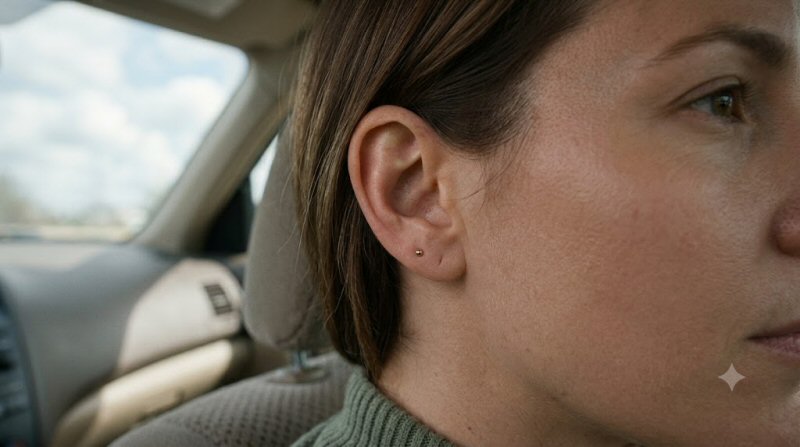
You crest a long hill or start the climb into the mountains and suddenly your ears feel full, then pop with a soft click or crackle. Sometimes it is only one side. Sometimes the sensation lingers until you swallow. For most people this is ordinary and harmless.
The same mechanism that makes ears pop in an elevator or on a plane is at work here: a rapid change in outside air pressure that your middle ear must match. Driving simply delivers that change more gradually than a jet climb, yet fast enough that many people notice it.
What This Symptom Feels Like
The classic sensation is a brief fullness or muffled hearing that resolves with a pop, click, or crackle. Some people describe a slight pressure behind the eardrum or a need to yawn. Hearing usually returns to normal within seconds to a minute. One ear may clear before the other. Mild temporary discomfort is common; sharp pain or lasting blockage is not.
Common Causes
The most frequent reason is simple barometric change. As you gain altitude the outside air pressure falls. The air trapped in the middle-ear space becomes relatively higher in pressure, pushing the eardrum outward until the Eustachian tube opens and equalizes it. Descending does the opposite: outside pressure rises and the tube must open to let air back in.
Nasal congestion from a cold, allergies, or recent upper-respiratory infection makes the tube stickier and slower to open. Even mild swelling can turn an unnoticed pressure shift into an obvious pop. Dehydration and mouth breathing also reduce the natural swallowing that helps keep the tube patent.
Why This Happens
The Eustachian tube is a narrow channel running from the middle ear to the back of the nose. In adults it sits at a slight angle and is normally closed; it opens briefly when you swallow, yawn, or chew. That opening equalizes pressure so the eardrum can vibrate freely for clear hearing.
Researchers such as Charles Bluestone and others who studied middle-ear aeration have shown that the tube’s opening is a muscular reflex driven by the tensor veli palatini. When outside pressure changes faster than the tube can respond, the pressure difference builds until a swallow or yawn finally opens it, producing the familiar pop. Mountain roads simply create a continuous, noticeable version of the same physics that occurs in elevators or aircraft.
Related reading on the same reflex: why ears pop in an elevator and why they pop when you swallow.
Less Common but Serious Causes
Persistent blockage after the drive can indicate Eustachian-tube dysfunction or early barotrauma. In rare cases a sudden pressure change can stretch the eardrum enough to cause a small perforation or middle-ear fluid. People with a history of ear surgery, chronic sinus disease, or severe allergies are more prone to these complications. Sudden hearing loss accompanied by spinning vertigo needs prompt evaluation to rule out other inner-ear events.
Hidden Triggers
Recent airplane travel leaves residual congestion that makes the next altitude change more noticeable. Antihistamines that dry the nasal lining can paradoxically slow tube opening. Sleeping with the mouth open the night before reduces the number of spontaneous swallows. Even a tight scarf or collar that slightly alters jaw position can change how easily the tube opens on one side.
When to Worry
- Pain that does not ease within a few minutes of swallowing or yawning
- Hearing that stays muffled for hours after you return to flat ground
- Fluid drainage, bleeding, or a sudden drop in hearing
- True spinning vertigo or severe imbalance
- Symptoms that worsen with every subsequent drive or flight
These signs warrant a check with a clinician; most routine pops do not.
Myths vs Facts
Myth: Ear popping means you have an infection.
Fact: The pop is usually successful equalization, not infection. Infection tends to produce ongoing pain, fever, or drainage.
Myth: You should force the pop by pinching the nose and blowing hard.
Fact: Aggressive Valsalva maneuvers can injure the eardrum. Gentle techniques are safer.
Myth: Only high mountains cause the problem.
Fact: Even moderate elevation gains of a few hundred meters on a winding road are enough for many people to notice the change.
How to Manage It
Swallow, yawn, or sip water as you climb or descend. Chewing gum supplies repeated jaw motion that helps open the tube. A gentle jaw wiggle or side-to-side motion often clears one stubborn ear. If congestion is present, a saline nasal spray before the drive can keep the nasal end of the tube clearer. Stay hydrated; dry mucosa sticks more easily.
Avoid sleeping during the descent if you can, because you swallow less. On the way down, the same maneuvers that help on the way up still work. Most people need nothing more than these simple actions.
For comparison with longer pressure exposures, see ear fullness after a flight.
When to See a Doctor
See a clinician if the fullness or hearing change lasts more than a day, if pain is significant, or if you have repeated trouble equalizing on ordinary drives. People with known Eustachian-tube problems, recent ear surgery, or frequent infections should mention the pattern. Most isolated pops during mountain driving never require medical care.
FAQs
Why does only one ear pop?
The two Eustachian tubes do not always open at the same moment. Mild differences in nasal congestion or jaw position commonly make one side lag.
Does it damage my hearing?
A normal pop that restores clear hearing does not. Repeated severe pressure differences that cause lasting blockage can, which is why persistent symptoms deserve attention.
Should children do anything special?
Children have shorter, more horizontal tubes and often equalize more easily, but they may not report the sensation. Offering a drink or snack during the climb helps them swallow.
Can I prevent it entirely?
Not always. The pressure change is real. Frequent gentle swallowing and staying clear of nasal congestion reduce how noticeable it becomes.
Is it worse if I have a cold?
Yes. Congestion narrows the tube opening and slows equalization, so the pressure difference builds higher before the pop occurs.
Conclusion
Ear popping while driving up a mountain is the middle ear doing exactly what it evolved to do: matching internal pressure to the changing outside air. For the great majority of people it is a brief, harmless signal that the Eustachian tube has opened. Swallowing, yawning, or chewing usually clears it. When the sensation fades quickly and hearing returns, there is nothing more to do. Persistent pain, lasting muffled hearing, or repeated trouble equalizing are the cues to have the ears checked.