Bone is not a quiet scaffold. Buried osteocytes still expect walking fluid shear through the lacunar-canalicular network — the cue Frost, Lanyon, Weinbaum and Bonewald mapped.
Bone looks still. Under a microscope it is a city of buried cells sitting in tiny caves, connected by canals thinner than a hair’s split end. Those cells — osteocytes — are not placeholders. They are the sensors that decide whether a bone should keep itself, thicken a strut, or quietly dissolve unused material.
They do not read a gym membership. They read fluid moving past their membranes when you load the skeleton. A step, a carry, a rise from the floor sends a pressure pulse through the lacunar-canalicular network. The pulse shears the cell process. The cell talks to neighbors. The surface crews — osteoblasts and osteoclasts — get a brief.
A modern day can look like this: a chair, a lift, cushioned shoes on flat floors, and a short evening session that arrives after ten unloaded hours. The network is still there. The shear cue is thinner. That is the mismatch Harold Frost named a mechanostat, that Lance Lanyon measured in living bone, that Sheldon Weinbaum modeled as flow in a canaliculus, and that Lynda Bonewald spent a career treating as an endocrine and sensory organ — not a fossil.
This is not an argument that sitting once will soften a femur. It is a map of why bone still expects the fluid of a loaded day, and what happens when the day is mostly still.
What This System Was Built to Do
An osteocyte begins as an osteoblast that buried itself in matrix. It keeps long dendritic processes in canaliculi. Neighbor cells touch at gap junctions. The whole mesh is soaked in a thin fluid film.
When you stand, walk or carry, bone deforms a fraction of a percent. That squeeze drives fluid through the canals. Weinbaum, Cowin and colleagues argued that the important stimulus is not the bulk strain you can measure with a gauge on the periosteum. It is the amplified shear on the cell process as fluid races through a confined channel. Jenneke Klein-Nulend’s group showed that osteocytes in culture respond to pulsatile fluid flow with nitric oxide, prostaglandins and a change in the signals that restrain bone breakdown.
The logic is old and local. Use a beam, keep the beam. Leave a beam quiet, let osteoclasts trim it. Frost called the set point a mechanostat: strain (and the fluid it drives) above one threshold builds, below another threshold resorbs. Alexander’s and Lanyon’s animal work showed that a few brief, unusual loads can be more osteogenic than many hours of the same small strain. Frequency, rest between bouts and how “strange” the direction feels all matter.
Bonewald later showed osteocytes are not only mechanics. They make FGF23, which talks to the kidney about phosphate. They make sclerostin, which tells osteoblasts to stand down when load is missing. A quiet skeleton is not a neutral skeleton. It is a skeleton sending a “you may dissolve this” memo.
Why Fluid Shear Was the Original Cue
Ancestral days were not powerlifting sessions. They were:
- Thousands of varied steps on ground that was not level
- Carrying children, water, wood and game
- Rising from the floor many times
- Occasional sprints, climbs and odd angles
- Nights spent unloaded so the same tissue could swap fluid and repair
That pattern is almost a textbook osteogenic program. Varied direction. Short peaks. Rest between peaks. A long unload at night. Bone still expects impact as one of those peaks. Fluid shear is how the cell inside the mineral actually hears the peak.
Hills help. A grade raises the force through the tibia and femur without needing a barbell. Soft or uneven ground changes the direction of strain so the same cells are not always sheared on the same axis. Collagen in bone and tendon still needs both load and vitamin C to finish the helix. The osteocyte is the clerk that decides whether that collagen job is even posted.
Charles Turner and Alexander Robling later refined the rules in the lab: bone is more sensitive after a rest, less sensitive if you grind the same stimulus without a pause, and surprisingly responsive to a modest number of good cycles. You do not need a two-hour session. You need the skeleton to be interrupted by real load several times before dusk.
What Modern Life Quietly Removes
Chairs are not a toxin. They are a missing pulse.
Long unbroken sit. Hours without a stand or a walk leave canalicular fluid nearly still. Sclerostin stays higher. The “build here” memo stays unsent.
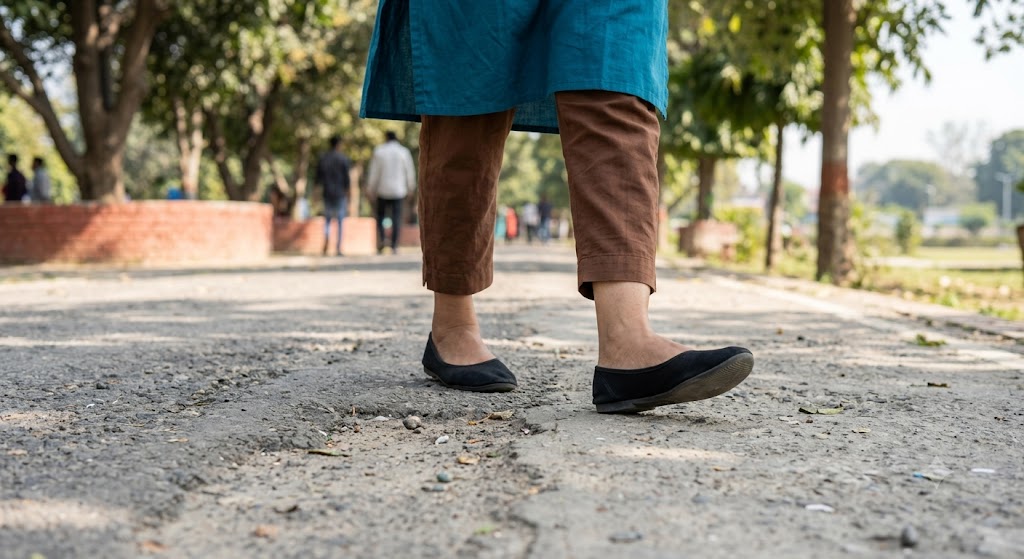
Flat, even ground. Treadmills and corridors repeat one strain axis. The network can adapt to that axis and ignore the others.
Cushioned, narrow shoes. They do not erase load. They filter some of the sharp transient that would have sheared processes closer to the foot and tibia.
One compressed gym hour. Useful. Incomplete if the other fourteen waking hours never load the same bones. The mechanostat reads the day, not the calendar invite.
Evening light and a late meal do not stop fluid shear, but they scramble the overnight endocrine night bone also expects. Marrow stem cells still time part of their niche work to darkness and to mechanical load through bone. A loaded day and a dark night are the same organ system speaking two dialects.
The early result is not a fracture. It is a quieter mineral conversation: a little more resorption at unused surfaces, a little less periosteal top-up, a skeleton that still looks fine on a one-time X-ray and feels different on a sudden hill.
Less Common but Serious
Not every ache or low T-score is “you needed more canalicular flow.”
True osteoporosis, glucocorticoid bone loss, hyperparathyroidism, malabsorption, celiac disease, anorexia, hypogonadism, myeloma and metastatic disease change bone by chemistry and cells, not by a missed walk. A fragility fracture after a simple fall is a medical event, not a lifestyle slogan. Unexplained height loss, a sudden severe back pain in an older adult, bone pain at rest, or a fracture that does not match the force need imaging and labs — not another article about shear.
Medications matter. Long glucocorticoids, some aromatase inhibitors, androgen-deprivation therapy and high-dose proton-pump use can overpower a perfect walking week. So can a diet with almost no calcium or protein, and so can heavy alcohol and smoking. Fluid shear is a cue. It is not a veto over endocrine disease.
Hidden Triggers That Starve the Signal
- All-day sitting with a standing desk you never stand at
- Taking the lift for a single floor as a default
- Soft-soled recovery shoes from breakfast to bed
- Training only the same machine planes
- Long-haul flights and sick-week bed rest, which can drop bone markers faster than people expect
- Very low-energy diets that leave the mechanostat intact and the building crew unpaid
- Avoiding impact entirely after one scare, then never rebuilding a graded plan
None of these are moral failures. They are absences the buried cells cannot invent.
When to Worry
Seek care rather than self-coaching if you have:
- A fracture from a standing-height fall or less
- Sudden severe spinal pain, especially after fifty
- Documented height loss, a new dowager hump, or a family pattern of hip fractures
- Long steroid courses, early menopause, hypogonadism, or known malabsorption
- Bone pain that wakes you, or pain in one bone that does not match activity
- An eating disorder history and rising fracture risk
A DEXA scan is a snapshot of mineral, not of osteocyte chatter. It is still the right tool when risk is high. Do not wait for a “feelable” warning. Bone is quiet until it is not.
Myths vs Facts
Myth: Bone is dead mineral once you finish growing.
Fact: Osteocytes live for decades and keep editing the tissue around them. Adult bone is a remodeling organ.
Myth: Only heavy lifting builds bone.
Fact: Unusual, brief, multidirectional load is often more osteogenic than a long session of the same small strain. Walking hills and carrying still count.
Myth: Swimming and cycling are as osteogenic as impact.
Fact: They are excellent for other systems. They send less of the fluid-shear transient weight-bearing bone expects. Pair them with steps and load if bone is the target.
Myth: Calcium tablets replace walking.
Fact: Mineral supply without a posted job is not a building program. Load tells the crew where to work. Vitamin D and protein decide whether they can.
Myth: If a DEXA is “normal,” the mechanostat is fine.
Fact: Density is one output. Architecture, turnover and the day’s strain history are others.
How to Give the Cells the Cue They Expect
You do not need a laboratory strain gauge. You need a day the canaliculi can feel.
Interrupt the sit. A short walk or a loaded stand every hour is a fluid pulse the chair erased.
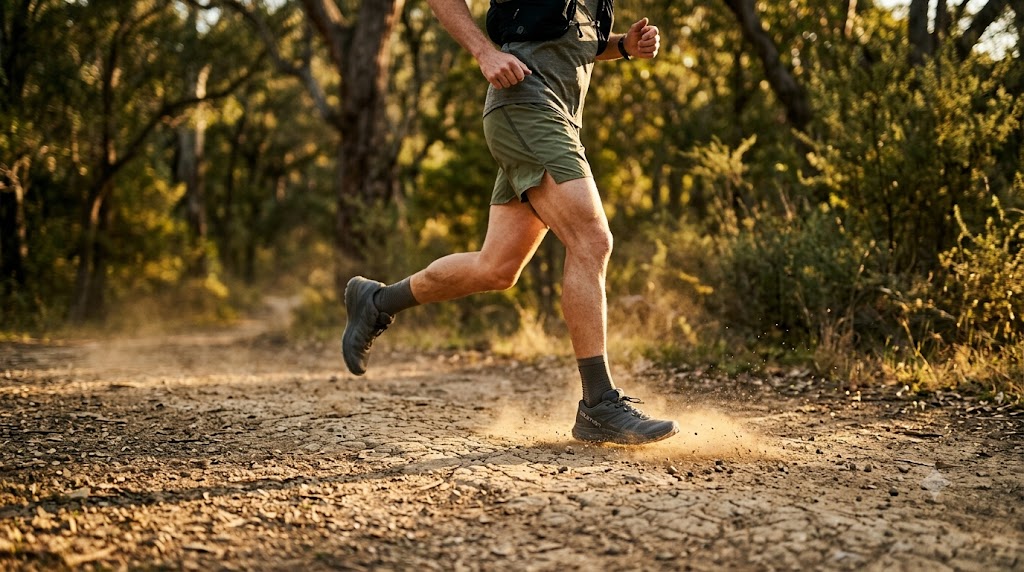
Collect varied steps. Stairs, a gentle hill, a dirt path, a change of direction. Same bones, new shear axes.
Carry something real. Groceries, a child, a pack. Axial load plus a little side sway is closer to the ancestral brief than a seated machine.
Add a few unusual cycles. Heel drops, careful hops if joints allow, a rise from the floor, a farmer carry. Turner and Robling’s lesson was not “destroy yourself.” It was “a modest number of good cycles, then rest.”
Do not grind without a pause. Bone desensitizes to a continuous identical stimulus. Split loading across the day.
Unload at night. The same tissue that wanted shear at noon wants a dark, recumbent repair shift. That pairing is older than the gym.
Feed the crew. Protein, calcium-containing food, and enough energy that the endocrine system does not think there is a famine. Load without material is a memo with no staff.
If you already have low bone mass, start with a clinician or physiotherapist who understands graded impact. The cue is still valid. The dose has to match the current architecture.
When to See a Doctor
See a doctor if fractures, height loss, long steroid use, early menopause, malabsorption, or unexplained bone pain are part of your story. Ask about DEXA when guidelines say you should, not only after a break. Mention falls, vision, and medications that raise bone risk. Fluid shear is the daily language of healthy bone. It is not the treatment for myeloma, osteomalacia or an untreated endocrine disease.
FAQs
What is an osteocyte?
A former osteoblast buried in bone, sitting in a lacuna with processes in canaliculi. It senses load, talks to other bone cells, and makes hormones such as sclerostin and FGF23.
What is fluid shear in bone?
When bone is loaded it deforms slightly and squeezes interstitial fluid through canaliculi. That moving fluid shears the osteocyte process and is thought to be the main mechanical signal the cell reads.
Who described the mechanostat?
Harold Frost. Later work by Lanyon, Rubin, Turner, Robling, Weinbaum, Klein-Nulend and Bonewald filled in how strain becomes cellular chemistry.
Is walking enough?
Walking is a legitimate daily shear source, especially with hills, turns and a carry. People with low bone mass often also need targeted impact or resistance under guidance.
Does a standing desk fix this?
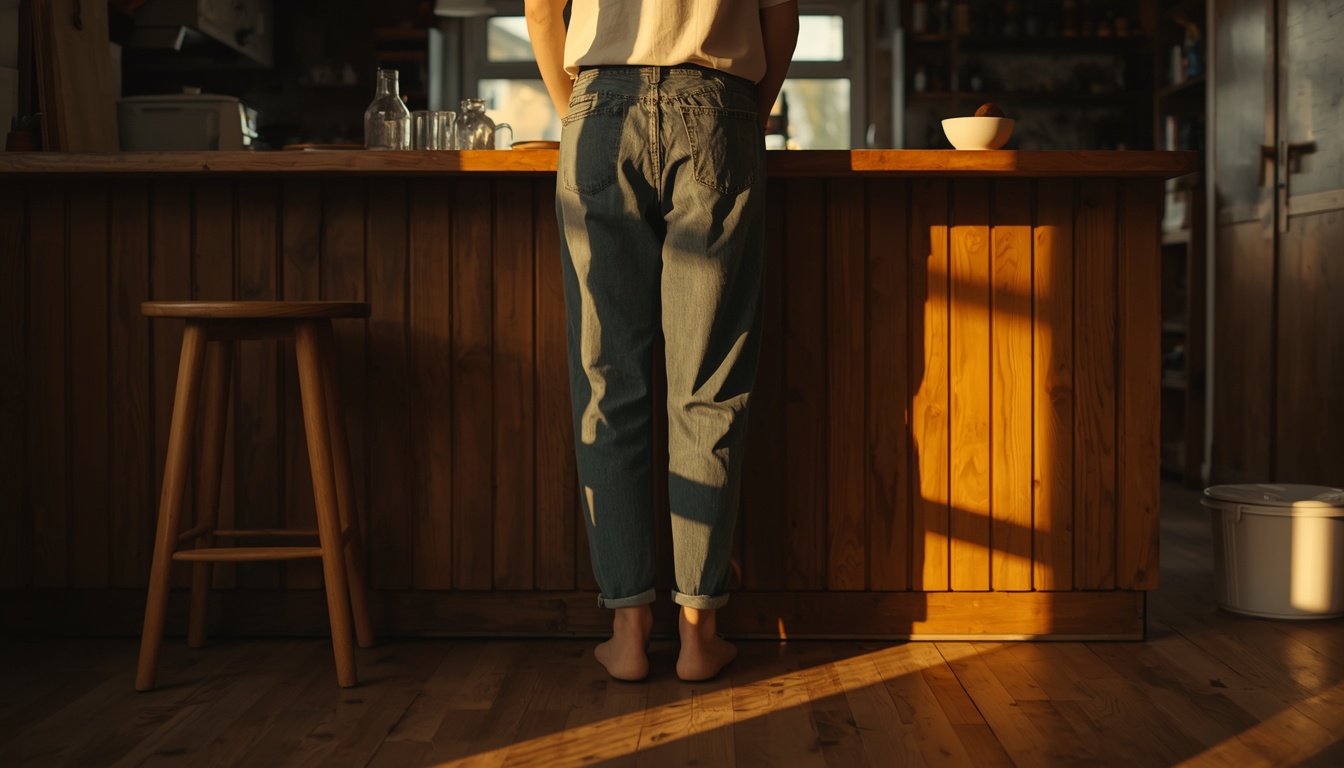
Quiet standing is better than quiet sitting for some systems. Osteocytes still prefer changing load — steps, not a locked knee at a counter.
Why do rest periods matter?
Bone cells become less responsive if the same stimulus never pauses. Spacing bouts restores sensitivity. That is one reason “all the steps in one hour” is a weaker brief than steps across a day.
Can you overdo it?
Yes. Sudden high-volume impact on an unprepared skeleton is a stress-fracture plan. Grade the novelty. Pain that localizes to one bone and worsens with each session is a stop sign.
Do osteocytes care about vitamin D?
They care about a mineral and endocrine environment that lets the surface crews work. Vitamin D, calcium, phosphate and PTH set that environment. Shear decides the address.
Is this the same as “weight-bearing exercise”?
Related. Weight-bearing is the popular name for the class of loads that drive fluid through the network. The cell-level event is still shear and strain, not the brand of shoe.
Does swimming help bone at all?
Muscle pull during a stroke is a real load for some sites. It is usually a weaker osteogenic signal than landing and carrying. Use it for heart and mood; add land load for the buried cells.
Conclusion
Your osteocytes still live in a dark, wet lattice that only notices you when fluid moves. They were tuned for a day of interrupted load and a night of unload — hills, carries, odd angles, then darkness. A chair does not insult them. It simply leaves the canals still.
You do not have to train like a laboratory sheep with a strain gauge on the tibia. You have to stand, walk, carry and occasionally surprise the same bones from a new direction, then let night do the quiet half of the job. The mineral will not send a thank-you note. It will keep the beam.