
Your lips were built for a quiet resting seal that supports nasal breathing and oral posture. Modern habits often keep them apart. Here is what that means for everyday comfort and how to restore the simple seal.
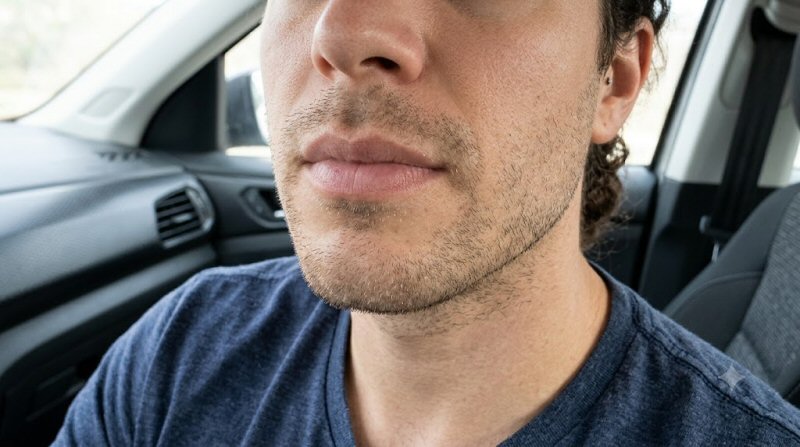
You finish a long conversation or a stretch of focused screen work and notice your mouth has been hanging slightly open. The lips feel a little dry at the corners, the lower face a bit tired, or you catch yourself breathing through your mouth without meaning to. For many people this becomes the default posture. Yet the muscles that close the lips were shaped for something quieter and more consistent: a light resting seal that lets the nose do the breathing while the mouth stays gently closed.
This is not about forcing a tight smile or clenching. It is about the small, almost automatic contact between upper and lower lip that most of us had more often as children and that still fits how the face and airway work best.
What a Resting Lip Seal Feels Like
A true resting seal is light. The lips touch without effort, the teeth are slightly apart, and the tongue rests gently against the roof of the mouth. You can still speak, sip, or yawn when needed. The seal simply returns once the task ends.
When the seal is missing, people often describe:
- Lips that part at rest, especially during concentration or sleep
- A dry or chapped feeling at the corners even when you drink water
- Mild fatigue in the lower face after talking or smiling
- A habit of mouth breathing that you only notice when someone points it out
None of these is dramatic, yet they accumulate. The orbicularis oris—the circular muscle that forms the bulk of the lips—does not get the brief, low-level work it expects, and the airway defaults to the easier oral route.
Why the Lips Expect a Seal
The orbicularis oris is not a simple rubber band. Its deeper fibers act like a gentle sphincter that helps contain food and saliva, while the more superficial fibers handle the precise shaping needed for speech and expression. Together with the cheeks and tongue, it creates the “buccinator mechanism” that keeps the oral cavity organized during chewing and swallowing.
William R. Proffit and others studying dental equilibrium showed that the resting pressures from the lips and tongue, not the larger forces of chewing, are what largely keep teeth in position over a lifetime. A light lip seal contributes to that balance. Comparative work on humans and other primates has also noted that human lips are specialized for fine control; the seal is part of that package.
Electromyography studies (for example, work by Dutra and colleagues and later lip-training research by Yoshizawa) have found that people who habitually mouth-breathe often show different activity patterns in the orbicularis oris and related muscles. Keeping the lips apart at rest can mean the muscle is either under-used or forced into higher effort when it finally has to close. Over time the default posture drifts.
From an evolutionary view, a resting seal supported nasal breathing, protected the airway, and kept the oral environment more stable. Mouth breathing was more of a temporary option when the nose was blocked, not the all-day setting.
How Modern Days Break the Seal
Several ordinary habits pull the lips apart:
- Long stretches of talking, presenting, or phone calls
- Screen concentration that drops the jaw and parts the lips
- Dry indoor air that makes a closed mouth feel uncomfortable
- Nasal congestion from allergies, a cold, or simply habit
- Overnight mouth breathing that trains the daytime pattern
When the nose feels even slightly restricted, the mouth opens to compensate. The lips then stay apart, the tongue drops, and the cycle reinforces itself. Related patterns appear in jaw resting posture and tongue position; the three usually move together.
Less Common but Worth Noting
Persistent open-mouth posture can sometimes accompany chronic nasal obstruction, enlarged tonsils or adenoids (especially in children), or structural issues that make nasal breathing harder. In adults it is more often habit layered on mild congestion or dry air. Dental changes over years can also shift the comfortable resting position of the lips.
True lip incompetence (inability to close without effort) is different from ordinary habit and is best assessed by a clinician if it bothers you or affects eating, speech, or sleep.
When to Pay Closer Attention
Most open-lip habits are benign and reversible. Consider checking further if you notice:
- Loud snoring or pauses in breathing during sleep
- Daytime sleepiness that does not improve with better nights
- Frequent dry mouth, bad breath, or gum irritation linked to mouth breathing
- Difficulty closing the lips without visible strain or chin dimpling
- Changes in bite or tooth position that worry you
These can point to airway, dental, or muscle issues that benefit from professional input rather than self-management alone.
Myths vs Facts
Myth: Keeping the lips sealed all the time is the goal.
Fact: The seal is for rest. You still open for speech, food, and yawning. The aim is easy return to contact, not constant force.
Myth: Mouth breathing is only a childhood problem.
Fact: Many adults develop or maintain the habit through congestion, dry air, or simple lack of attention. The muscles adapt either way.
Myth: Lip exercises will reshape the face dramatically.
Fact: Gentle practice can improve comfort and nasal breathing preference. Structural changes require orthodontic or medical care when indicated.
Simple Ways to Restore the Seal
Start small and consistent:
- Check posture a few times a day: lips together, teeth slightly apart, tongue on the roof. Hold for a breath or two, then release.
- Clear the nose first. A saline rinse or simply blowing the nose makes nasal breathing easier and the seal more natural.
- Add a little humidity indoors, especially at night, so closed lips do not feel dry.
- Practice quiet nasal breathing while reading or walking. The seal often returns on its own once the nose is the default.
- If you talk for work, take short breaks to let the lips rest closed rather than staying parted between sentences.
These steps pair well with attention to comfortable swallowing and overall oral rest. Most people notice less dryness and easier nasal breathing within days to a couple of weeks.
When to See a Doctor or Specialist
See a primary care clinician, ENT, dentist, or orofacial myofunctional therapist if:
- Nasal blockage does not improve with basic care
- Sleep is disrupted by mouth breathing or snoring
- You have persistent dry mouth, dental changes, or jaw discomfort tied to the open posture
- Closing the lips requires ongoing effort or looks strained
They can check for obstruction, bite issues, or muscle patterns and suggest targeted help if needed.
FAQs
Is it normal for my lips to part when I am concentrating?
Yes. Many people drop the jaw slightly during focused tasks. The useful habit is noticing and gently restoring the seal once the concentration eases.
Can a resting lip seal help with dry mouth?
Often, yes. Closed lips reduce evaporative loss and encourage nasal breathing, which keeps the mouth more moist. Address underlying dryness or congestion at the same time.
Do I need special exercises?
Not usually. Simple awareness and nasal breathing practice are enough for most adults. Structured lip or myofunctional work can help if the pattern is long-standing or linked to dental concerns.
Will this change my face shape?
Everyday restoration of a light seal mainly improves comfort and breathing preference. Visible changes in facial structure come from growth, orthodontics, or other factors, not from occasional lip contact.
What if my nose feels blocked at night?
Treat the congestion (allergies, humidity, position) and consider whether mouth breathing is contributing to the cycle. Persistent nighttime blockage is worth discussing with a clinician.
Is mouth breathing harmful?
Occasional mouth breathing is normal. Habitual all-day or all-night mouth breathing can dry tissues, alter oral posture, and in some cases affect sleep quality or dental balance. Restoring the option of a light lip seal gives the nose priority again.
Conclusion
Your lips still expect a quiet resting seal because that posture supports nasal breathing, gentle muscle balance, and a more comfortable oral environment. Modern talking, screens, and dry air often leave them apart by default. A few moments of awareness, clearer nasal passages, and the simple return of light contact are usually enough to bring the seal back. Most of the time the change feels ordinary and relieving rather than forced.


