
Your finger extensors still expect the full open-hand range of climbing and tool use. Constant keyboard and phone postures keep them shortened—here’s why that matters and how to restore the motion.
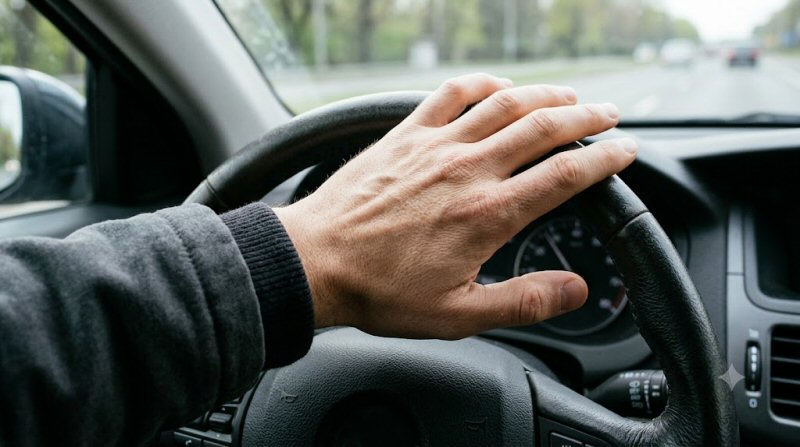
You finish a long stretch of typing or scrolling and your hands feel a little clenched. The back of the forearm has a dull ache, or your fingers just don’t want to spread fully when you stretch them. It is easy to blame “overuse,” yet the deeper pattern is simpler: the muscles that open the hand rarely get the chance to do what they were built for.
The finger extensors—mainly the extensor digitorum and its smaller companions—evolved to pull the fingers straight and spread them. Climbing, gripping irregular tools, hanging, and the constant small adjustments of life outdoors all demanded full opening as often as strong closing. A keyboard or phone keeps the hand in a mild flexed posture for hours. The extensors still work, but only through a tiny slice of their natural range. Over time that mismatch shows up as tightness, early fatigue, or the sense that the hand no longer opens as freely as it used to.
What This Sensation Feels Like
Most people notice it after a desk day or long drive. The back of the hand or outer forearm feels tight or slightly heavy. Spreading the fingers wide takes a deliberate effort. Making a full fist then opening the hand may produce a mild stretch sensation along the knuckles or forearm. Some describe a subtle “locked” quality when they try to flatten the palm on a table. The feeling is usually bilateral and worse toward the end of the day, then eases with a few deliberate open-hand stretches or a walk outside.
Why the Extensors Still Expect Full Opening
Human hands are built for a life of varied grips. Hanging from branches, shaping tools, carrying uneven loads, and even simple climbing all require the fingers to open fully and then close with force. The extrinsic extensors (originating in the forearm) and the intrinsic muscles work together to control that range. When the hand stays mostly closed or hovering in a typing posture, the extensors remain active but never reach their lengthened position.
Electromyography studies of typing, including work by Carolyn Sommerich and colleagues in the mid-1990s, showed that the extrinsic finger extensors fire continuously at low levels—often above 5 % of maximum voluntary contraction—just to hold the fingers ready between keystrokes. The flexors and extensors co-activate. The load is real, yet the joint angles stay narrow. The muscles never experience the stretch and full excursion they get when you open the hand wide to grasp a large object or hang. Over years of screen work, the nervous system and the muscle tissue itself adapt to the smaller range. The capacity for full, easy opening declines even though the muscles are “used” every day.
This is the classic evolutionary mismatch: tissues still calibrated for climbing, tool-making, and frequent full-range hand use now spend most of their time in a narrow keyboard posture. Related articles on why your forearms still expect twist and grip and why your wrists still expect occasional extension under load describe the same principle at neighboring joints.
Common Everyday Triggers
Several modern habits keep the extensors in that shortened, low-range state:
- Hours of keyboard and mouse work with the fingers lightly flexed or resting on keys.
- Constant phone scrolling and one-handed texting that curls the fingers.
- Driving with a tight grip on the wheel and little hand opening.
- Carrying bags or using tools that favor a closed grip without the opposing full open.
- Cold weather or stress that increases overall muscle tone and reduces spontaneous hand movement.
Even skilled typists show continuous low-level extensor activity. The issue is not that the muscles are idle; it is that they rarely travel through the full range their anatomy still expects.
When the Tightness Is More Than a Mismatch
Most of the time the sensation is benign and improves with simple range-of-motion practice. See a clinician sooner if you notice:
- Persistent pain, swelling, or redness over the knuckles or outer elbow that lasts more than a couple of weeks.
- Numbness, tingling, or weakness that travels into the fingers, especially at night.
- Inability to fully straighten one or more fingers after an injury or sudden onset.
- A catching or locking sensation that suggests a tendon problem rather than simple tightness.
- Symptoms that wake you from sleep or interfere with basic daily tasks.
These can point to tendon irritation, nerve compression, or, less often, inflammatory conditions. Early evaluation is useful; most cases still respond well to load management and gradual strengthening.
Myths vs Facts
Myth: If the extensors are working during typing, they must be getting enough exercise.
Fact: They are active, but only in a short range. Muscles adapt to the range they actually use. Full opening is still required for balanced tissue health.
Myth: Stretching alone fixes the problem.
Fact: Gentle opening stretches help, yet the extensors also need occasional active strength through the full range, just as the flexors get from everyday gripping.
Myth: Only heavy tool users get extensor issues.
Fact: Office workers and phone users commonly develop the same pattern because their total daily “closed-hand” time is high and recovery openings are rare.
Practical Ways to Give the Extensors What They Expect
You do not need a gym session. Small, frequent openings restore the missing range:
- Every 30–45 minutes, open the hands fully, spread the fingers, and hold for 5–10 seconds. Repeat a few times.
- Place the palms flat on a desk or wall and gently lean forward so the fingers straighten under light load.
- Do slow “finger flicks” or rubber-band finger spreads for a few sets. The resistance is light; the goal is full range, not fatigue.
- Occasionally hang from a bar or sturdy edge (even for 10–15 seconds) so the hands open under body weight—the motion the extensors evolved alongside.
- When driving or waiting, consciously open and close the hands rather than keeping a constant grip.
Pair these with the varied grips described in articles about fingers feeling stiff after typing and wrist posture. The combination of full opening plus occasional loaded extension keeps the tissue balanced.
When to See a Doctor or Therapist
If simple openings and posture breaks do not ease the tightness within a week or two, or if pain, numbness, or weakness appears, a hand therapist or physician can check tendon gliding, nerve function, and strength balance. Most people improve with graded loading and ergonomic tweaks; a few need temporary activity modification or formal therapy. Early attention prevents the pattern from settling into longer-term tendon sensitivity.
FAQs
Why do my hands feel tighter at the end of a computer day even though I didn’t lift anything heavy?
The extensors have been holding a shortened position for hours. Without full-range openings, the tissue stiffens and the sensation of tightness builds.
Is it normal for the back of my forearm to ache after typing?
Yes, low-level continuous activity in the extensors is common during keyboard work. The ache usually reflects the limited range more than pure overload.
Will opening my hands fully every hour actually change the muscles?
Over weeks, yes. Muscles and connective tissue adapt to the ranges they regularly experience. Consistent full openings restore capacity the keyboard posture removes.
Do I need special equipment?
No. A rubber band, a desk edge, or simply opening the hands against gravity is enough for most people. Hanging is useful but optional.
Can this tightness contribute to tennis-elbow type pain?
It can. The common extensor tendon is continuous with the finger extensors. Prolonged low-range loading plus occasional forceful gripping is a recognized contributor to outer-elbow sensitivity.
Conclusion
Your finger extensors still expect the full open-hand range that climbing, tool use, and varied daily grips once provided. Keyboard and phone postures keep them working, yet only through a narrow slice of that range. The result is everyday tightness that feels minor until it accumulates. A few deliberate full openings scattered through the day, plus occasional loaded hanging or spreading, give the muscles the motion they were built for. Most people notice easier hand movement within a week or two. When the pattern persists or pain appears, simple clinical guidance restores the balance quickly. The hands were never meant to stay half-closed all day; giving them the openings they still expect is one of the smallest and most effective corrections modern life allows.


