
Back-to-school colds are not a sign that something is wrong with your child. They are what happens when a still-learning immune system meets a new crowd of everyday viruses — and there are calm ways to support recovery.
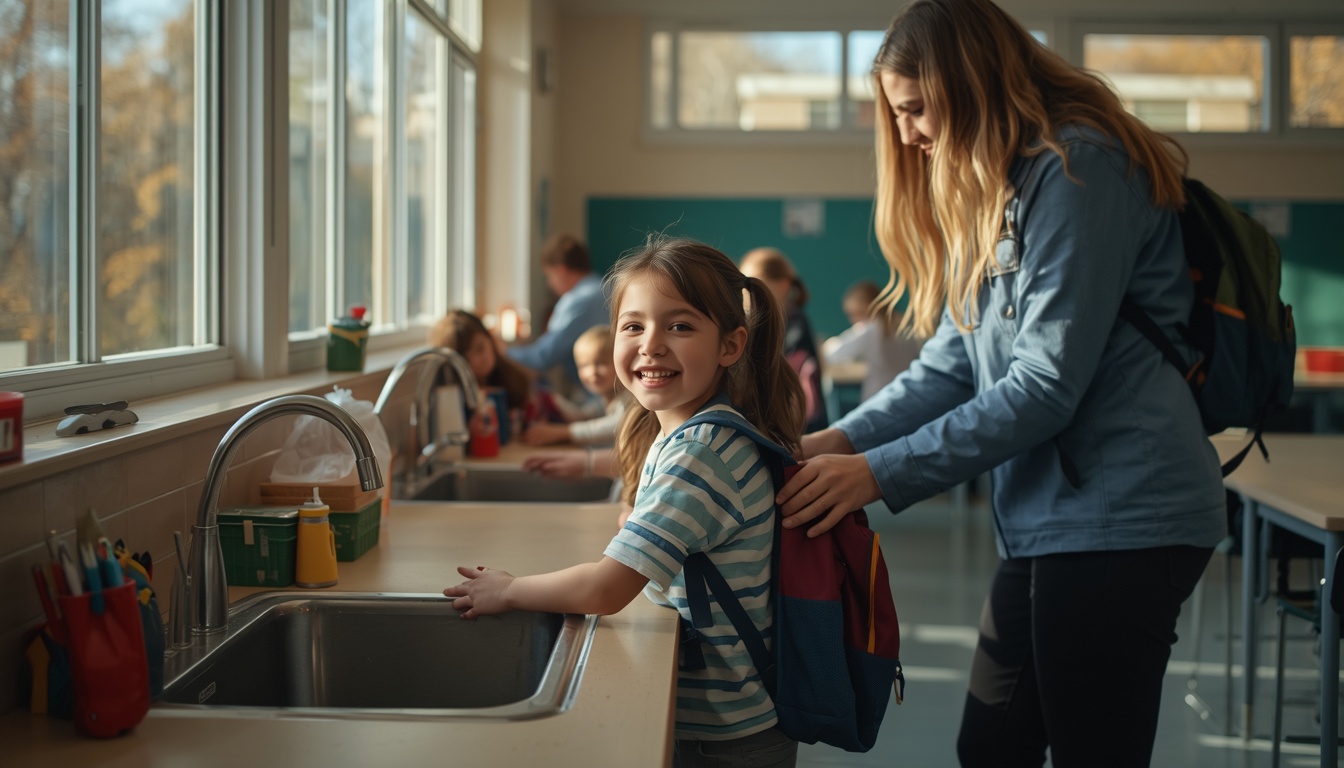
Every autumn the same message arrives from daycare and school: another runny nose, another feverish night, another week of canceled plans. Parents often wonder if their child’s immune system is “weak,” if the building is unclean, or if something in modern life has gone wrong.
Most of the time, the answer is simpler and kinder. Young immune systems are still collecting a library of ordinary viruses. School and daycare put many children in the same rooms, with the same toys and the same hands, at the exact age when that library is incomplete. Illness looks dramatic because children show symptoms clearly. It is usually training, not failure.
What a “Normal” Year of Colds Actually Looks Like
Pediatric groups have long noted that healthy young children can have many viral respiratory infections in a year — often in the range of six to eight, and sometimes more in the first seasons of group care. Each illness may last a week or two. That can feel like they are “always sick,” especially when one cold overlaps the tail of another.
The viruses involved are familiar: rhinoviruses, seasonal coronaviruses (the everyday ones, not only the pandemic strain), RSV, influenza, adenovirus, and others. Most cause colds. Some cause fever, ear pain, or a few days of lower energy. A smaller number cause more significant breathing trouble, which is why infants and children with asthma need a lower threshold for medical review.
Frequency alone is not a diagnosis of immune deficiency. Doctors worry more when infections are unusually severe, when they are caused by unusual organisms, when growth stalls, or when recovery never really happens between illnesses.
Why School Is Such an Efficient Classroom for Viruses
Viruses that live in the nose and throat travel on droplets, shared surfaces, and close play. Young children:
- Put hands and objects in their mouths
- Are still learning to cover coughs
- Need help with wiping noses
- Play face-to-face
- Share rooms with poor outdoor-air exchange in many buildings
That is not a moral failing of schools. It is the biology of early childhood plus indoor group living. The first year in a new group setting is often the heaviest. Many families notice that year two is still busy but slightly less chaotic, and later school years bring fewer, shorter colds as the child’s library of antibodies and memory cells grows.
Older siblings sometimes “bring something home” before the younger child starts school. That can look unfair. It is the same process starting a little earlier.
What the Immune System Is Doing During Those Colds
A first meeting with a virus teaches specific defenses. Mucosal surfaces in the nose make local antibodies. Lymph nodes store memory. The next meeting with a similar strain is often milder. This is why adults can sit next to a sniffing child and feel only a scratchy throat, or nothing at all.
Fever, mucus, and fatigue are not the enemy. They are the visible part of a coordinated response. Fever in particular is uncomfortable and worth treating for comfort, but it is not proof that the body is “out of control.” Hydration, rest, and watching for breathing changes matter more than chasing the number on the thermometer in most otherwise healthy children.
Hidden Triggers That Make a Season Feel Worse
Some years really are heavier. Common amplifiers include:
- A new group of children. New classroom, new pathogens.
- Poor sleep around the school transition. Earlier wake times collide with still-late summer bedtimes.
- Indoor air and dry heating. Dry nasal lining is a less effective first barrier.
- Secondhand smoke or vaping aerosol at home. This reliably worsens respiratory illness.
- Skipping routine vaccines. Vaccines do not stop every cold. They do reduce the risk of the most dangerous overlapping illnesses such as influenza and, where offered, other respiratory vaccines recommended for age.
Nutrition matters in the background — enough food, iron, and vitamin D status in children who get little outdoor time — but no single “immune-boosting” snack replaces sleep and time to recover.
When Frequent Illness Is Not “Just School”
Most back-to-school colds stay in the ordinary lane. Seek prompt medical advice if a child has:
- Fast or labored breathing, ribs pulling in, or lips that look blue
- A fever in a baby under 3 months
- A fever that lasts more than a few days or returns after the child had clearly improved
- An ear that is very painful, or a sore throat with drooling and inability to swallow
- Unusual sleepiness, a stiff neck, or a rash that does not fade when pressed
- Infections that are severe, recurrent in unusual places, or paired with poor weight gain
Children with asthma, immune conditions, or heart and lung disease already have a plan with their clinician. Use it early rather than waiting through a weekend of worsening work of breathing.
Myths vs Facts
Myth: Frequent colds mean the immune system is weak.
Fact: In typical toddlers and preschoolers, frequent mild viral illnesses usually mean the immune system is meeting the world on schedule.
Myth: Antibiotics will shorten the school-year cold cycle.
Fact: Most of these illnesses are viral. Antibiotics do not treat them and can cause side effects and resistance. They are for bacterial complications when a clinician finds them.
Myth: A child must stay home for every last sniffle until they are perfect.
Fact: Follow your school’s policy. In general, fever, poor energy, and inability to join activities are better stay-home signals than a mild runny nose in an otherwise well child. Sending a child with high fever or active vomiting is unfair to them and to classmates.
Myth: More supplements will stop the autumn wave.
Fact: No pill replaces sleep, handwashing, vaccination where recommended, and time. Extra high-dose products can be harmful. Food-first and clinician-guided vitamin D in children with little sun exposure is the cautious path.
How to Support Kids Through the Season
Protect sleep as if it were medicine. The school-year schedule is a shock. Move bedtime earlier in small steps before term starts. Tired children catch more, and they feel every cold more intensely.
Keep hands and surfaces ordinary-clean, not sterile. Soap after toilet and before eating, tissues for noses, and a rinse of shared toys when a household is ill are enough for most homes. Constant disinfectant fog is not required and can irritate airways.
Treat comfort, watch breathing. Fluids, a humidifier if the air is very dry, saline drops for stuffed noses in babies, and age-appropriate fever medicine for discomfort are the core home tools. Honey can soothe cough in children over one year. Never give honey to infants.
Do not aim for zero germs. Outdoor play, mixed ages in a family, and a normal social life are how immune memory is built. The goal is fewer miserable nights and faster recovery, not a bubble.
Keep adult habits from stacking the odds. Smoke-free air, adults who stay home when they have a fever, and up-to-date routine vaccines for the whole household reduce the load the child has to handle at once.
When to See a Doctor
Use your usual clinic or urgent pathway for the red flags above. Use a scheduled visit if you feel the year is not ordinary — infections that are always severe, antibiotics every month, or a child who never has two well weeks. Bring a simple diary of dates, symptoms, and missed school. That record is more useful than a vague sense that “they are always sick.”
FAQs
Will starting school later avoid this?
It delays the first big wave. It does not cancel it. Children who stay home until later still meet group viruses when group life begins.
Are daycare kids sicker forever?
They often have more colds early and fewer in the early school years than children who meet large groups for the first time at age five. The total childhood exposure evens out more than parents expect.
Should I keep my child on daily “immune” products all term?
Not as a default. Food, sleep, and vaccines have better evidence. Ask a pediatric clinician before using regular supplements.
Can I send them to school with a clear runny nose?
If energy is good, there is no fever, and school rules allow it, many children can attend. When in doubt, a morning temperature check and an honest look at playfulness are better guides than the color of mucus alone.
Does a mask at school stop all of this?
Masks can reduce some spread in specific settings. They are not a complete solution for young children who cannot wear them well all day, and they are a policy choice rather than a substitute for sleep and staying home when feverish.
Conclusion
Back-to-school sickness is one of the most reliable patterns in family life because it is one of the most biological. A young immune system is supposed to meet the common viruses of its community. School gathers that community under one roof.
Your job is not to prevent every cold. It is to keep sleep generous, air reasonably clean, vaccines on schedule, and your threshold for worry aimed at breathing, hydration, and unusual severity — not at the number of tissues in a week. Most children come through the first crowded seasons with a stronger library and a household that has learned the rhythm. That is not a weak immune system. That is an immune system at work.