Explore which popular biohacking practices—intermittent fasting, cold exposure, red light therapy, and more—are backed by real science, plus their benefits, limits, and practical safety tips.

You wake up before the sun, step into an ice bath that steals your breath, track every heartbeat with a sleek wearable, then skip breakfast while sipping black coffee laced with something called “exogenous ketones.” Your phone lights up with a continuous glucose monitor reading, and you feel a quiet thrill—maybe this is the day you finally outsmart aging. Across social feeds, friends and influencers share the same rituals: cold plunges, red-light panels, intermittent fasting windows, and stacks of nootropics. The promise is seductive. What if ordinary biology could be tuned like software?
That curiosity has turned “biohacking” from a fringe hobby into a multi-billion-dollar movement. People are experimenting with everything from time-restricted eating to photobiomodulation devices, hoping to sharpen focus, shed fat, sleep deeper, and stretch their healthspan. Yet the noise is loud. Some practices rest on solid research. Others rest on thin data or pure marketing. The real question is not whether you can hack your biology, but which hacks actually move the needle—and which ones simply feel productive while delivering little measurable benefit.
This article walks through the most popular health hacks circulating today, the science behind them, what they can realistically do, and where the evidence still falls short. The goal is clarity, not hype. You will leave with a practical sense of which tools deserve a place in a thoughtful routine and which ones deserve skepticism.
What Exactly Is Biohacking?
Biohacking is the deliberate attempt to optimize the body’s systems through lifestyle, technology, or, in more extreme forms, self-experimentation. At its most grounded end, it looks a lot like evidence-based lifestyle medicine: consistent sleep, smart nutrition, regular movement, and stress management. At the other end sit experimental peptides, DIY implants, and high-dose supplement stacks with limited human data.
According to clinicians who study the trend, the spectrum matters. Lower-risk strategies focused on diet, sleep, light exposure, and exercise often draw from decades of research. Higher-risk approaches that involve unregulated substances or invasive procedures carry real potential for harm and rarely come with the kind of large, long-term trials that medicine demands.
The industry around these practices has grown rapidly. Market analyses place the broader biohacking and longevity sector in the tens of billions of dollars, with continued double-digit growth projected through the end of the decade. That commercial momentum means claims travel faster than the science that should evaluate them.
Intermittent Fasting and Time-Restricted Eating: Solid Foundations with Important Caveats
One of the most widely practiced biohacks is intermittent fasting, especially the 16:8 pattern—eating within an eight-hour window and fasting the remaining sixteen hours. Alternate-day fasting and the 5:2 approach (two low-calorie days per week) are also common.
The biological idea is straightforward. After several hours without food, liver glycogen declines and the body shifts toward fat oxidation and ketone production. Researchers have linked this metabolic switch to improved insulin sensitivity, reduced inflammation markers in some studies, and modest weight loss.
Multiple systematic reviews and meta-analyses of randomized trials show that intermittent fasting can reduce body weight, fat mass, waist circumference, fasting insulin, and certain blood lipids compared with unrestricted eating. In people with overweight or obesity, the weight loss is typically in the range of 3–8 percent over eight to twelve weeks—similar to traditional daily calorie restriction when calories are matched. Some evidence also points to improvements in markers of liver health in non-alcoholic fatty liver disease.
However, the advantages shrink or disappear when intermittent fasting is compared head-to-head with equivalent calorie reduction without time restriction. In other words, much of the benefit appears to come from eating fewer calories overall rather than from the fasting window itself. Long-term data on hard outcomes such as heart attacks, strokes, or mortality remain limited. One observational analysis raised concern about higher cardiovascular event rates among people who regularly fasted for sixteen hours or more, though that finding requires confirmation in better-controlled studies.
Safety data so far suggest intermittent fasting is generally well tolerated in healthy adults. It does not appear to wreck diet quality, trigger eating disorders in screened populations, or markedly disrupt sex hormones. People with a history of disordered eating, those who are pregnant, or individuals with certain medical conditions should approach it cautiously and preferably under medical guidance.
Bottom line: intermittent fasting is a legitimate tool for weight management and metabolic improvement in many adults, but it is not magic. It works largely by helping people eat less, and the long-term cardiovascular picture is still incomplete.
Cold Exposure and the Wim Hof Method: Promising Signals, Incomplete Proof
Ice baths, cold showers, and whole-body cryotherapy have become signature biohacks. Proponents claim better mood, stronger immunity, reduced inflammation, and even metabolic upgrades through activation of brown adipose tissue.
There is real physiology here. Cold exposure triggers a surge in norepinephrine and dopamine, which can produce an immediate sense of alertness and elevated mood. Short-term studies of the Wim Hof method—combining specific breathing techniques with cold immersion—have shown reduced pro-inflammatory cytokines and increased anti-inflammatory signals after an experimental immune challenge. A large trial of cold showers found a 29 percent reduction in self-reported sick days from work, though not necessarily fewer actual days of illness.
Brown fat activation is another plausible pathway. Mild cold exposure can increase energy expenditure and, in people with type 2 diabetes, has improved insulin sensitivity in controlled laboratory settings. Chronic adaptation may also influence systemic inflammatory tone.
Yet the overall quality of evidence remains modest. Systematic reviews of the Wim Hof method note small sample sizes, mostly male participants, and mixed results on athletic performance. Claims of dramatic longevity or disease-prevention benefits outrun the available data. Risks exist as well: cold-water immersion can cause cold shock, arrhythmias in susceptible people, and, with extreme protocols, hypothermia or tissue damage.
Cold exposure may offer short-term mood and recovery benefits for some people, and the anti-inflammatory signals are intriguing. It is not yet a proven longevity intervention, and anyone with cardiovascular concerns should speak with a physician before diving in.
Red Light Therapy and Photobiomodulation: Targeted Benefits, Broader Claims Still Emerging
Red and near-infrared light devices—often marketed as red light therapy or photobiomodulation—have moved from clinics into living rooms. The proposed mechanism involves absorption of photons by mitochondrial cytochrome c oxidase, leading to increased ATP production, reduced oxidative stress, and modulation of inflammation and cell signaling.
Clinical evidence is strongest in specific applications. Consensus reviews and meta-analyses support benefits for androgenetic alopecia (increased hair density), certain types of wound healing and ulcers, peripheral neuropathy pain, acute radiation dermatitis, and some forms of musculoskeletal pain and fatigue in fibromyalgia or osteoarthritis. Devices have received regulatory clearances for selected skin and hair indications. Small trials also suggest possible cognitive benefits in mild cognitive impairment and improvements in muscle recovery for athletes.
For systemic anti-aging, metabolic disease, or broad longevity claims, the data are thinner. Many consumer devices vary widely in wavelength, power density, and treatment protocols, making it hard to translate laboratory or clinical-study parameters into at-home use. Safety appears favorable when devices are used as directed; serious adverse events are rare.
Photobiomodulation is a legitimate tool for certain localized conditions. Treating it as a general-purpose “cellular energy” solution stretches beyond current high-quality evidence.
Morning Sunlight, Sleep, and Circadian Alignment: Quietly Powerful
One of the simplest and best-supported practices is getting natural light in the eyes early in the day. Morning sunlight helps set the circadian clock, which governs hormone release, metabolism, and sleep timing. Studies link consistent morning light exposure to earlier sleep midpoints and better overall sleep architecture.
Sleep itself remains one of the highest-leverage interventions available. Even modest improvements—an extra few minutes of consistent sleep or better sleep quality—correlate with meaningful gains in healthspan in large population analyses. Exercise and diet quality compound these effects. In fact, when researchers model the impact of small daily upgrades in sleep, movement, and food choices, the projected gains in healthy years of life are substantial.
These foundational habits often outperform more exotic biohacks in head-to-head comparisons of evidence strength. They also cost little and carry almost no downside risk.
Wearables, Continuous Glucose Monitors, and Data-Driven Awareness
Consumer continuous glucose monitors (CGMs) and advanced wearables represent a different category of biohacking—measurement rather than intervention. In 2024 the U.S. Food and Drug Administration cleared the first over-the-counter CGM for general use, removing the need for a diabetes diagnosis or prescription.
These devices measure glucose in interstitial fluid and can reveal how individual foods, stress, sleep, and activity affect blood-sugar responses. For people without diabetes the clinical utility is still being studied, but many users report greater awareness of personal metabolic patterns. Accuracy is generally good for trend detection, though finger-stick or lab confirmation remains important for absolute values in medical decision-making.
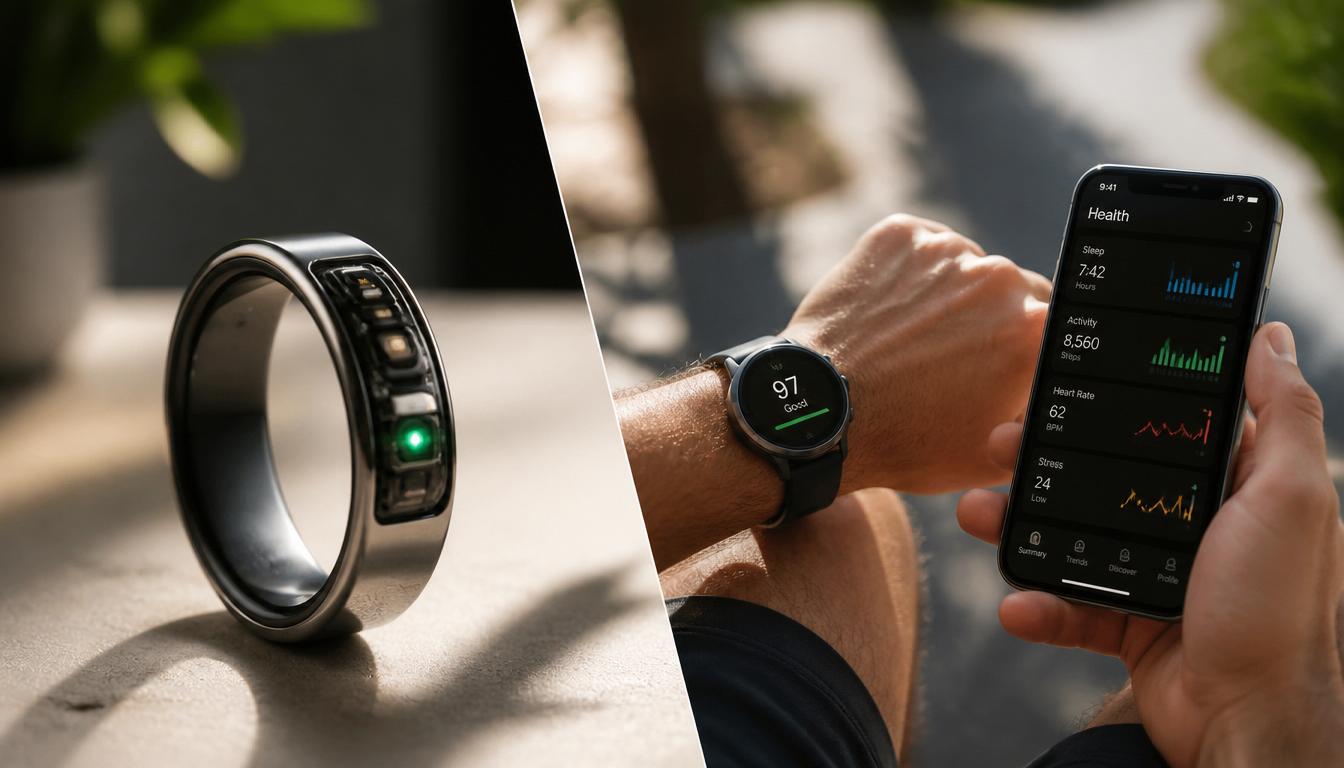
Wearables that track heart-rate variability, sleep stages, and recovery scores can similarly encourage better habits. Their value lies more in behavior change than in precise diagnostic power. Over-reliance on imperfect metrics can create unnecessary anxiety, a phenomenon sometimes called orthosomnia when it involves sleep data.
Supplements, Nootropics, and Experimental Compounds: Mostly Hype with Scattered Bright Spots
Multivitamins for healthy people have been tested extensively. Large reviews, including analyses involving hundreds of thousands of participants, find little evidence that they reduce heart disease, cancer, cognitive decline, or premature death. Targeted supplementation for documented deficiencies is a different story and remains medically appropriate.
Nootropics—substances claimed to enhance cognition—range from caffeine (which has clear, dose-dependent effects) to compounds with far weaker human data. Many popular “brain stacks” rest on animal studies or small, short-term trials. Peptides such as BPC-157 and various experimental agents often circulate in gray-market channels with minimal rigorous safety or efficacy data in humans.
NAD+ precursors and related longevity supplements can raise blood levels of the coenzyme, yet whether that translates into meaningful clinical benefits in healthy adults is still under active investigation. Lifestyle factors that support natural NAD+ pathways—exercise, sleep, and calorie balance—currently have stronger backing.
Less Common but Serious Considerations and Hidden Risks
Extreme biohacking can cross into dangerous territory. Unregulated peptides, high-dose hormone manipulation, invasive “grinder” modifications, and experimental plasma transfusions carry infection risk, hormonal disruption, and unknown long-term consequences. Even seemingly mild practices can backfire: aggressive fasting in people with disordered eating histories, cold exposure in those with cardiac vulnerabilities, or obsessive tracking that fuels anxiety.
Regulatory oversight varies widely. Some devices and supplements enjoy clearances for specific claims; many do not. Marketing language often outpaces the evidence required for medical claims.
When to Worry and How to Approach Biohacking Safely
Red flags include sudden or unexplained symptoms after starting a new protocol, rapid weight loss, mood instability, sleep disruption, or any invasive procedure performed outside regulated medical settings. Anyone with chronic illness, pregnancy, or taking prescription medications should consult a physician before major changes.
A practical filter helps: prioritize practices with multiple high-quality human trials, clear mechanisms, and favorable risk-benefit profiles. Start with the fundamentals—sleep, movement, nutrition, light, and stress management—before layering on more experimental tools. Measure what matters and remain willing to drop anything that fails to deliver measurable benefit for you.
Myths Versus Facts
- Myth: Intermittent fasting is superior to calorie restriction for long-term health. Fact: When calories are matched, outcomes are largely similar; the fasting window is a tool, not a uniquely superior system.
- Myth: Cold plunges dramatically extend lifespan. Fact: Short-term physiological and mood effects are real; longevity data are insufficient.
- Myth: Red light panels reverse aging systemically. Fact: Evidence supports specific local applications; broad anti-aging claims remain speculative.
- Myth: More data always equals better health. Fact: Wearables can inform decisions, but obsessive tracking can create stress that undermines the very benefits sought.
- Myth: Multivitamins are essential for optimal health in well-nourished people. Fact: Large trials show little benefit for major disease prevention in that population.
When to See a Doctor
Discuss new protocols with a healthcare professional if you have existing medical conditions, take medications that affect metabolism or heart rhythm, experience unintended side effects, or are considering anything beyond lifestyle and cleared consumer devices. Baseline bloodwork and, when appropriate, specialist input provide a safer foundation for experimentation.
Frequently Asked Questions
Is biohacking safe for most people?
Lower-risk lifestyle approaches are generally safe. Higher-risk experimental interventions are not. Safety depends on the specific practice, individual health status, and quality of the product or protocol used.
Does intermittent fasting work better than regular dieting?
For weight loss and metabolic markers, it often performs similarly to continuous calorie restriction. Some people find the structure easier to sustain; others do not. Individual preference and adherence matter more than the label.
Can cold exposure really reduce inflammation?
Short-term studies, particularly those combining breathing techniques with cold, show reductions in certain inflammatory signals. Whether this translates into meaningful long-term health gains is still being researched.
Is red light therapy worth the cost?
For documented uses such as hair growth or certain pain and wound applications, quality devices may be reasonable. For general wellness or anti-aging, the return on investment is less clear given current evidence.
Should healthy people use continuous glucose monitors?
They can increase awareness of personal responses to food and lifestyle. Clinical necessity is low for people without diabetes or prediabetes, and interpretation should remain cautious.
What is the single most evidence-backed “hack”?
Consistent high-quality sleep, regular physical activity, a nutrient-dense diet, and good stress management continue to outperform most trendy interventions in the strength and consistency of supporting data.
Are there biohacks that improve patient outcomes in clinical settings?
Time-restricted eating and structured lifestyle programs have shown benefits in metabolic disease management. Photobiomodulation has defined roles in specific medical conditions. Extreme or unregulated practices generally do not.
How do I avoid falling for hype?
Look for large randomized trials in humans, replication by independent groups, clear safety data, and claims that match the actual strength of the evidence. Extraordinary longevity or performance promises usually signal marketing rather than medicine.
Conclusion
Biohacking sits at an interesting crossroads. Some of its most popular practices—thoughtful intermittent fasting, strategic cold exposure, targeted red light use, morning light, and rigorous sleep and movement habits—rest on genuine scientific foundations and can meaningfully support metabolic health, recovery, and daily functioning. Others remain early-stage, weakly supported, or actively oversold.
The most reliable path forward is neither blind enthusiasm nor blanket dismissal. Start with the habits that have the strongest evidence and the lowest risk. Use technology and protocols as tools for awareness and refinement rather than as substitutes for the basics. Stay curious, stay critical, and measure results against how you actually feel and function.
Your biology is already remarkably adaptive. The highest-yield “hacks” are often the ones that simply remove the modern obstacles standing in its way. When in doubt, lean on practices that have stood up to careful scrutiny, talk with qualified clinicians about anything experimental, and remember that sustainable health is built more by consistent fundamentals than by the latest trend.