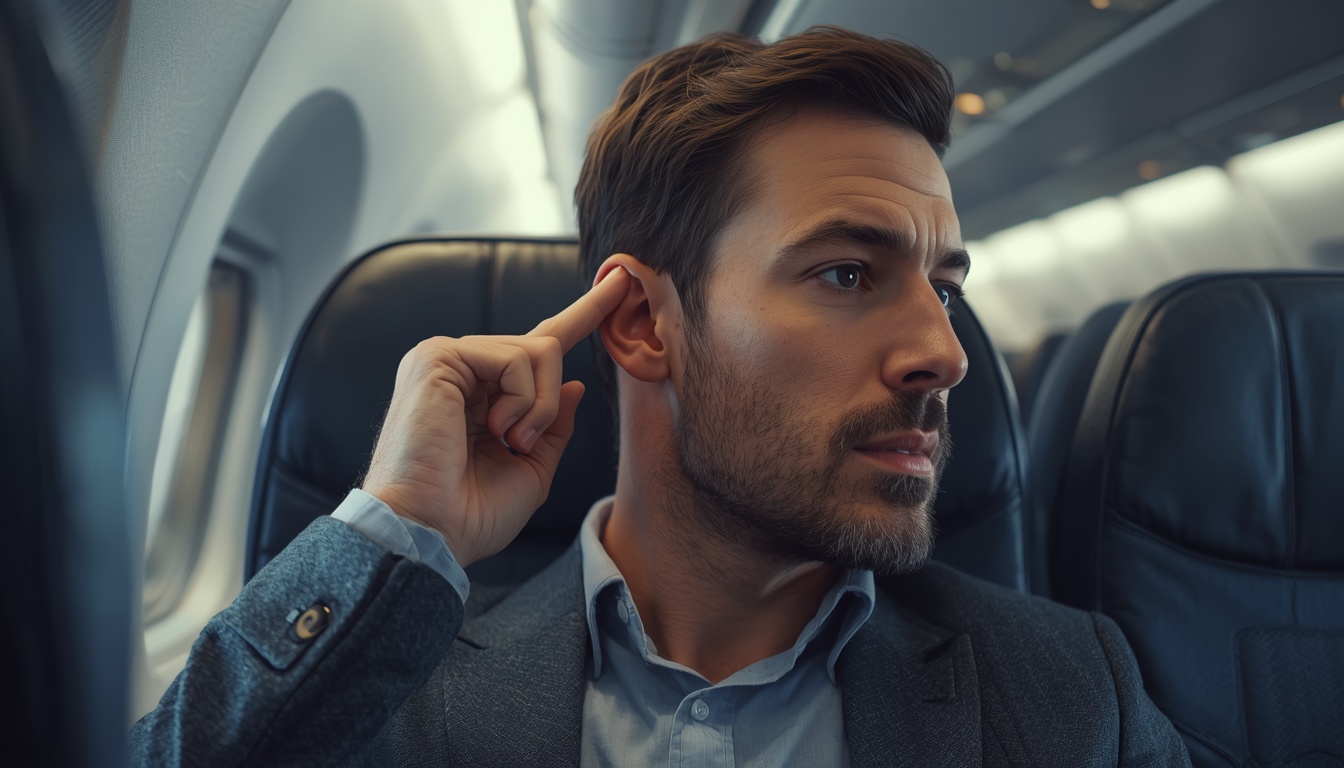
A muted or distorted sense of smell after a cold is usually swollen passages or a brief olfactory-nerve bruise. Most people recover; sudden loss without congestion and a lasting change still deserve a check.
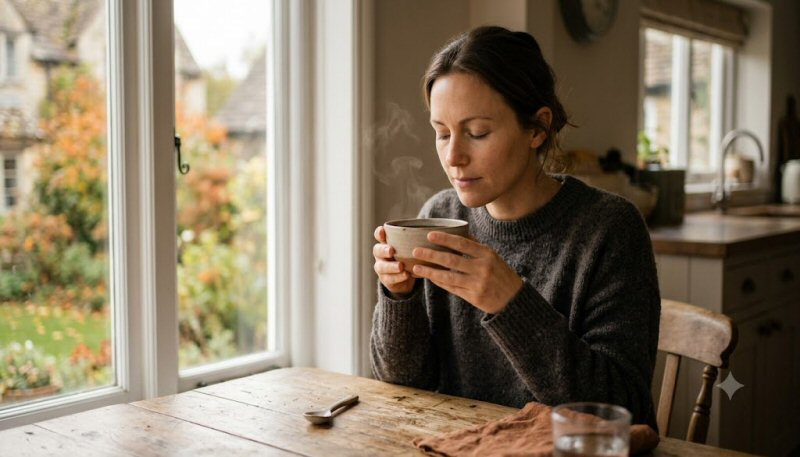
Coffee stops smelling like coffee. Dinner tastes like warm texture. A child’s shampoo, the hallway after rain, the warning of smoke — they thin or vanish for a few days after a cold, and the first reaction is often quiet panic. Smell is not a luxury sense. It is how the brain tags food, fire, kin and place. When it drops, people feel unmoored even if they cannot name why.
Most of the time the mute is mechanical or briefly inflammatory, not a permanent cut of the olfactory nerve. Richard L. Doty at the University of Pennsylvania spent decades measuring that drop with standardized odor identification tests. Thomas Hummel in Dresden mapped how a viral cold can leave the lining swollen, the cleft narrowed, and the first cranial nerve temporarily stunned. Recovery is the usual story. A sudden total blackout without a stuffy nose, or a smell that never comes back, is the smaller story that needs a different kind of attention.
What This Symptom Feels Like
There are three common versions, and they are not the same problem.
Hyposmia is a dimmer switch. Coffee, garlic, citrus and perfume are still there, just farther away. You lean in. You ask other people whether the milk has turned. Food becomes bland because most of what we call taste is retronasal smell — odor molecules riding up behind the palate while you chew.
Anosmia is the lights-out version. Nothing registers. People notice first at breakfast, then in the shower, then when they cannot tell whether the stove is on. Safety is the practical worry: gas, smoke, spoiled food.
Parosmia is the uncanny one. A familiar odor arrives warped — coffee as burnt rubber, onion as garbage, a partner’s skin as something chemical. Phantosmia is a smell with no source: smoke, metal, rot, perfume that no one else can detect. After a cold, parosmia often shows up as the nerve is trying to reconnect, not as a separate disease. It is unpleasant. It is also a sign that axons are firing again, sometimes into the wrong address book.
Why a Cold Can Steal Smell
Smell starts in a postage-stamp of tissue high in the nose, the olfactory epithelium. Sensory neurons there send thin axons through the cribriform plate into the olfactory bulb. Hummel and colleagues have shown that even a garden-variety upper-respiratory infection can do two jobs at once.
First, conductive block. Swollen turbinates, thicker mucus and a narrowed olfactory cleft stop odorants from reaching the patch. This is the version that tracks with a blocked nose. As the lining settles, smell often returns in days to a couple of weeks. Decongestant sprays can fake a brief improvement by shrinking the tissue. They do not heal the nerve.
Second, sensorineural bruise. Some respiratory viruses — including common coronaviruses, rhinoviruses and influenza — infect supporting cells around the olfactory neurons, or the neurons themselves. The epithelium sloughs and has to rebuild. Donald Leopold and others described this post-viral olfactory loss as a recognizable clinic pattern long before the pandemic made it famous. The nose may already feel clear while smell is still gone. That lag is the nerve, not leftover snot.
Taste buds for salt, sour, sweet, bitter and umami usually survive. What people call “lost taste” after a cold is almost always lost smell wearing a taste costume. True ageusia is rare.
How Long Recovery Usually Takes
Conductive loss often lifts with the cold. Sensorineural loss is slower because olfactory neurons have to regenerate and find the bulb again. Human olfactory neurons do turn over through adult life — one of the few cranial-nerve populations that keep that license — but the rebuild is not instant and not perfectly accurate.
Clinical series from smell-and-taste centers, including work associated with Hummel’s group and with Doty’s clinic, put a rough calendar on the common course. Many people notice a clear step up in the first month. A larger group keeps improving through three to six months. A minority are still rebuilding at a year. Parosmia, when it appears, often peaks as identification starts to return, then settles as the map is rewritten.
Age matters. Older adults start with fewer receptors and a thinner epithelium, so the same cold leaves a deeper hole. Smoking history, prior sinus surgery, and a long run of untreated allergic rhinitis also shrink the reserve. Children often bounce faster. None of those patterns is a verdict on day three.
The Distorted-Smell Phase
Parosmia after a viral cold is not a sign that the brain has “broken.” It is closer to a misfired reconnect. New axons arrive at the bulb. Some land in the glomeruli that used to mean coffee. Some land next door. Until the map settles, coffee can smell like ash.
Valentina Parma, Katherine Pellegrino and colleagues who studied large post-viral cohorts found that distorted smell often tracks with partial recovery rather than with total silence. People hate this phase, for good reason. Meals become work. Social life shrinks because other people’s kitchens smell wrong. The useful frame is patience plus training, not the assumption that the distortion is permanent on week four.
Hidden Triggers That Keep Smell Flat
A cold is the obvious culprit. A few quieter factors keep the volume down after the virus has left.
Ongoing mucosal swelling from untreated allergic rhinitis or a lingering sinus ostium that will not drain. The olfactory cleft is a narrow slot. A little edema is enough.
Dry indoor air and mouth breathing. A desiccated lining does a worse job of dissolving odorants into the mucus that neurons actually read. Bedroom humidity and a working nose at night are not cosmetic details here.
Zinc-in-the-nose products. Intranasal zinc was marketed for colds and later linked to sudden smell loss. Oral zinc is a different question. Spraying zinc onto the olfactory patch is not a recovery strategy.
Smoking and vaping. Both irritate the epithelium and blunt identification scores on standardized tests. Quitting does not restore smell overnight, but it stops the daily insult.
Medications and reflux. Some drugs and chronic laryngeal reflux change the chemical neighborhood of the nasopharynx. They are supporting actors, not the usual star after a simple cold.
When to Worry
Post-cold smell loss is common. These patterns are not the common script and deserve a clinician who takes smell seriously — often an ENT with access to testing, not only a “it will come back” shrug.
Sudden complete loss on one side, or sudden loss with no congestion at all, especially with a severe headache, vision change, or forehead pressure that is new and focal.
Smell that vanishes and stays gone beyond two or three months with no upward trend, or distortion that is still escalating after the cold has clearly resolved.
Neurologic company: new weakness, speech change, persistent confusion, a first seizure, or a drop in memory that is more than the fog of being sick.
A blocked nose that is only one-sided for weeks, bloody discharge, or a sense of fullness that does not move. Those point at the cavity and the sinus, not only at a viral bruise.
Head trauma around the same time as the cold. A cribriform-plate shear can cut axons. The cold then gets blamed for a mechanical injury.
Loss that began with a new medication, chemotherapy, or a chronic rhinosinusitis flare rather than a short viral illness.
Myths vs Facts
Myth: If you can still taste salt and sugar, smell must be fine.
Fact: Those five tastes live on the tongue. Flavor — the thing people miss in soup — is mostly smell. Doty’s testing work separated the two decades ago.
Myth: A zinc pill will restart the nerve because white nail spots mean zinc and smell means zinc.
Fact: True zinc deficiency can blunt smell, and it is uncommon in ordinary diets. Intranasal zinc has harmed smell. Do not treat a post-cold mute with a nose spray of minerals.
Myth: If smell is not back in two weeks, it is gone for good.
Fact: Sensorineural recovery often takes months. Two quiet weeks after a stuffy nose has cleared are still early.
Myth: Parosmia means the damage is worse than simple loss.
Fact: Distortion often appears during reconnection. It is miserable. It is not automatically a worse prognosis than flat anosmia.
Myth: Smell training is a placebo.
Fact: Structured odor training — sniffing a small set of distinct odors twice a day for months — has the best behavioral evidence Hummel’s group and later clinics have. It is not magic. It is practice for a regenerating map.
What Helps While You Wait
Treat the plumbing first if the nose is still blocked. Saline rinses, a short course of appropriate steroid spray when a clinician agrees it fits, and time for the cold to finish. Sleep with the head slightly elevated if night congestion is the main plug.
Start smell training early rather than waiting for a perfect baseline. The usual protocol uses four distinct odors — often rose, lemon, clove and eucalyptus, or a set you can actually obtain — sniffed slowly for about twenty seconds each, twice a day, for at least twelve weeks. Swap the set every few months. The point is attention plus repetition, not blasting the room with perfume.
Protect safety while the alarm system is offline. Smoke and gas detectors that work. A second person to check food that has sat out. Labels on leftovers. This is not over-caution. It is what the missing sense used to do for free.
Keep the lining kind. Humidify dry rooms. Avoid smoking. Skip harsh intranasal chemicals. A working blink and a working nose travel together more than people think; indoor air that dries the eyes often dries the cleft as well. If morning grit is part of the same winter house, the same humidity fix helps both.
Eat for flavor with the senses you still have. Temperature, crunch, acid, chili heat and fresh herbs give the meal a shape even when aroma is thin. This does not repair axons. It keeps you eating while they try.
Give the social piece some slack. Smell is bound up with appetite, memory and closeness. A muted world can flatten mood. That is a real effect, not drama. Walks, daylight and ordinary company still help the rest of the nervous system while the first cranial nerve rebuilds — the same unfilled time and face-to-face briefings the brain uses when a sense is offline.
How Clinicians Test It
A good exam separates conductive block from nerve injury. Endoscopy can see whether the olfactory cleft is open. A standardized identification test — the University of Pennsylvania Smell Identification Test that Doty developed, or Sniffin’ Sticks from Hummel’s laboratory — puts a number on the complaint so “better” is not only a feeling. Imaging is reserved for atypical stories: one-sided loss, no viral prodrome, or neurologic extras. Most post-cold cases never need a scan on day ten.
When to See a Doctor
See a clinician if smell is still clearly down after the cold has resolved and two to three weeks have passed with no improvement, or sooner if the loss was sudden, one-sided, or paired with headache, vision change, bloody discharge or head injury. Ask for a smell-and-taste evaluation if the first visit only produced a decongestant and a shrug. Persistent parosmia that makes eating aversive, weight loss, or a mood drop that is new since the loss are also reasons to go back rather than wait out another season.
FAQs
Is it normal to lose smell after a cold?
Yes. A temporary mute or dimmer is common while the lining is swollen and, in some people, while olfactory neurons rebuild. Most recover. The timeline is days for a blocked-nose version and weeks to months for a nerve bruise.
Why does food taste bland if my tongue still works?
Flavor is mostly retronasal smell. Salt and sugar survive on the tongue. Soup without aroma feels like warm salt water because the olfactory half of the meal is missing.
Can smell training actually help?
Structured twice-daily sniffing of a small set of distinct odors for three months or more has the strongest behavioral evidence available. It is slow. It is not a drug. It is the intervention smell clinics still reach for first after a viral insult.
Does COVID smell loss work the same way?
The pandemic made post-viral loss famous, but the pattern — supporting-cell injury, delayed recovery, a parosmia chapter — was already described for ordinary colds. Some viruses hit the epithelium harder than others. The recovery playbook is similar: time, training, safety, and a workup if the story is atypical.
Will steroids or antibiotics bring smell back faster?
Antibiotics do not treat a virus. A short steroid course is sometimes used when swelling is the main block or when a clinician is treating chronic rhinosinusitis. It is not a generic restart button for a bruised nerve, and it has a cost. That decision belongs in a visit, not in a leftover pack.
When is lost smell an emergency?
Sudden one-sided loss with a severe new headache, vision change, confusion, or trauma is not “wait and see.” Isolated post-cold dimming that is already easing is not an emergency. Use the company the symptom keeps as the guide.
Conclusion
A cold can close the door to the olfactory patch or bruise the neurons that live there. Either way, the world goes quiet in a way that feels larger than a stuffy nose, because smell is how meals, rooms and people announce themselves. The usual ending is return — sometimes clean, sometimes through a stretch of wrong coffee and ghost smoke — because that epithelium is one of the few neural surfaces built to rebuild. Help the plumbing, train the map, guard the kitchen, and give the calendar more than a weekend. If the mute is sudden, one-sided, or still deepening after the cold is gone, have someone look. The sense is small. The briefing it carries is not.