
Your hands can feel stiff and hard to open after hours behind the wheel. Static grip, reduced blood flow, and forearm tension explain why this is common and usually temporary.
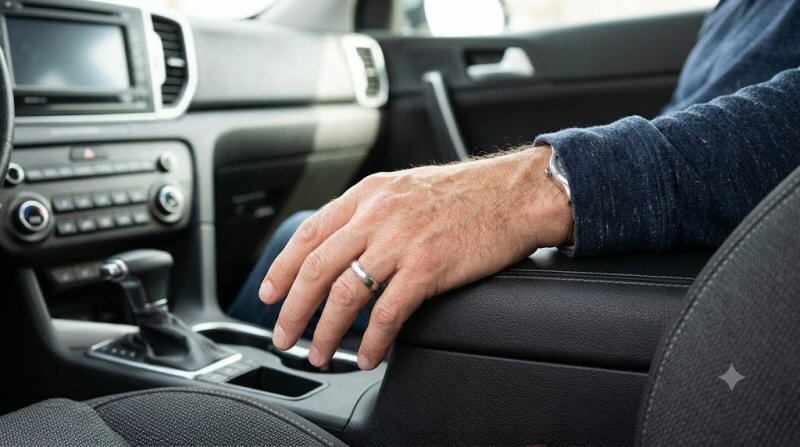
You pull into the driveway after a long trip, turn off the engine, and your hands feel oddly stiff. Opening the door, reaching for your bag, or even unclenching your fingers takes more effort than usual. The joints feel a bit locked, the palms tight, and it can take a minute or two of moving them before they feel normal again. This is a familiar feeling for many drivers.
Most of the time, hand stiffness after a long drive is a normal response to holding the same grip for hours with little movement. It is not usually a sign of lasting damage, though it can become more noticeable if you drive often or already have sensitive wrists.
What This Stiffness Feels Like
People describe it in slightly different ways. Some notice the fingers feel reluctant to straighten fully right after they let go of the wheel. Others feel a mild ache across the back of the hand or a tightness that settles into the forearms. A few report that the hands feel cold or a little swollen even if no visible swelling is present. The sensation is usually strongest in the first few minutes after stopping and eases once you start walking and using your hands normally.
It can happen on both hands or be more obvious on the side that stayed in one position longer. Cold weather often makes the feeling stronger because cooler muscles and tendons are already less flexible.
Common Causes
The main reason is the combination of a sustained grip and almost no variety in hand position. Your fingers stay wrapped around the wheel, your wrists often sit in a mild extension, and the small muscles of the hand and forearm stay partially contracted the entire time. Unlike walking or even desk work, driving gives those muscles almost no chance to fully relax or change length.
Reduced blood flow plays a role too. When the hands stay still for a long stretch, local circulation slows. The tissues receive less fresh oxygen and clear metabolic byproducts more slowly. After hours of this, the joints and soft tissues simply feel less mobile until movement restores normal flow. Road vibration adds a low-level repetitive stress that can increase muscle tension without you noticing it in the moment.
If you tend to grip the wheel tightly—especially in traffic, on unfamiliar roads, or in bad weather—the forearm flexors work harder than they need to. That extra effort leaves the muscles and tendons more fatigued by the end of the drive. Cold temperatures amplify all of these effects because they reduce tissue elasticity and further slow circulation.
Why This Happens
Your hands and wrists are built for frequent, varied use. In everyday ancestral life, people gripped tools, carried loads, climbed, and released their hands many times throughout the day. The muscles, tendons, and joints expected regular changes in position and periods of full relaxation. Modern driving removes almost all of that variety for long stretches.
Research on wrist posture and grip has shown that even modest wrist extension combined with finger force raises pressure inside the carpal tunnel and alters local blood flow around the median nerve. While a single long drive rarely causes lasting nerve problems, the same mechanical conditions that contribute to carpal tunnel symptoms are present, just milder. Studies of professional drivers have also linked years of prolonged driving with higher rates of hand and wrist discomfort, largely from the combination of static posture, vibration, and sustained attention.
The synovial fluid that lubricates the small joints of the fingers and wrists becomes less effective when the joints stay motionless. Movement helps distribute that fluid and keeps the cartilage nourished. After hours of stillness, the first few bends and straightens simply feel stiffer until circulation and lubrication normalize. This is the same basic process that makes many joints feel stiff after a long movie or flight, just concentrated in the hands because of the continuous grip.
Related everyday experiences include the tingling some people notice after holding the wheel for a long time, which is covered in more detail in Is It Normal for Your Fingers to Tingle After Holding a Steering Wheel?. The underlying posture issues also connect to broader wrist loading patterns discussed in Why Your Wrists Still Expect Occasional Extension Under Load.
Less Common but Serious Causes
In most healthy people, the stiffness fades within 15 to 30 minutes of normal activity. Persistent numbness, weakness, or pain that spreads into the forearm or shoulder deserves more attention. True median or ulnar nerve compression can produce lasting tingling or reduced grip strength rather than simple stiffness. Existing arthritis or a prior wrist injury can also make the same driving posture feel more uncomfortable.
Rarely, sudden severe swelling or color change in one hand after a long trip could point to a circulation problem and should be checked promptly. These situations are uncommon compared with ordinary post-drive stiffness.
Hidden Triggers
A few factors make the stiffness more likely or stronger. Air conditioning directed at the hands keeps them cooler and less flexible. A steering wheel that is too high or too low forces the wrists into greater extension or flexion. Resting your elbows on the door or armrest for long periods can add tension higher up the arm. Dehydration reduces overall tissue pliability. Stress or heavy traffic that makes you grip harder multiplies the muscle fatigue. Even the thickness of the wheel or the presence of a cold steering wheel cover can change how tightly you need to hold on.
When to Worry
See a doctor if the stiffness lasts many hours after the drive ends, if you develop clear weakness or dropping objects, if numbness persists rather than resolving, or if one hand looks swollen, pale, or discolored. Pain that wakes you at night or steadily worsens over weeks of regular driving is also worth evaluating, as it may indicate an underlying tendon or nerve issue rather than simple temporary stiffness.
Myths vs Facts
Myth: Hand stiffness after driving means you are developing arthritis.
Fact: Temporary stiffness from static grip is common at any age and does not equal joint damage. Arthritis can make the feeling stronger, but the everyday version occurs in people with healthy joints.
Myth: You must grip the wheel tightly for safety.
Fact: A relaxed but secure grip is safer and less fatiguing. Most modern cars need only light pressure to steer. Constantly squeezing increases forearm load without improving control.
Myth: Only older drivers get stiff hands after long trips.
Fact: Anyone who holds the same position for hours can experience it. Younger drivers notice it too, especially after long road trips or winter drives.
How to Manage It
Small changes during and after the drive make a clear difference. Every hour or so, briefly loosen your grip and open and close your fingers while stopped at a light or rest area. Change hand positions on the wheel periodically—moving from the classic 9-and-3 spot to slightly higher or lower uses different muscle fibers. Keep the car a comfortable temperature so your hands do not stay cold. A thin pair of driving gloves can help in winter without reducing control.
After you stop, spend a minute or two opening and closing your hands, gently stretching the fingers backward, and rotating the wrists. A short walk helps restore overall circulation. If the stiffness is frequent, check that your seat is positioned so your arms rest lightly and your wrists stay close to neutral rather than sharply bent. Strengthening the forearm muscles with simple grip and extension exercises on non-driving days can also improve tolerance over time.
Shoulder and upper-back tension often travels down to the hands. Addressing that with occasional shoulder rolls during long trips can reduce the overall load, as noted in related pieces such as Is It Normal for Your Shoulders to Feel Stiff After a Long Drive?.
When to See a Doctor
Book an appointment if the stiffness is accompanied by ongoing tingling, weakness, or pain that interferes with daily tasks, or if it does not improve with the simple measures above. A clinician can check for carpal tunnel syndrome, tendon issues, or other conditions that benefit from specific treatment. Early evaluation is especially useful if you drive professionally or already have a history of wrist problems.
FAQs
Why do my hands feel stiff only after long drives and not after sitting at a desk?
Driving requires continuous grip and almost no opportunity to release or reposition the hands. Desk work usually allows more frequent micro-movements and full relaxation of the grip. The added vibration and sustained attention of driving also increase muscle tension.
Is it worse in cold weather?
Yes. Cooler temperatures reduce blood flow and make muscles and tendons less elastic, so the same static posture produces more noticeable stiffness. Keeping the cabin warm and wearing light gloves can help.
Can this lead to permanent damage?
Occasional stiffness after a long trip is very unlikely to cause lasting harm. Repeated daily long drives without breaks or recovery can contribute to cumulative tendon or nerve irritation over years, which is why professional drivers often report higher rates of hand discomfort.
Should I use a wrist brace while driving?
Most people do not need one. A brace can sometimes restrict natural movement or change grip comfort. Focus first on loosening your grip, changing hand position, and taking short movement breaks. A clinician can advise if a brace is useful for an underlying condition.
How long should the stiffness last?
In most cases it eases within 15 to 30 minutes of normal hand use and walking. If it persists for hours or is joined by numbness or weakness, further evaluation is reasonable.
Conclusion
Feeling stiff hands after a long drive is a common, usually temporary response to hours of the same grip with little movement and reduced local circulation. Your hands expect variety and regular full relaxation; modern driving removes both for long stretches. Simple habits—loosening your grip, changing hand positions, taking short breaks, and moving your hands once you stop—restore normal mobility for most people. Persistent symptoms are worth checking, but for the majority of drivers the stiffness is simply a reminder that the body prefers motion over prolonged stillness.


