Bright sunlight often makes eyes water as a protective reflex. Learn the science behind this common response, when it is normal, and simple ways to ease it.
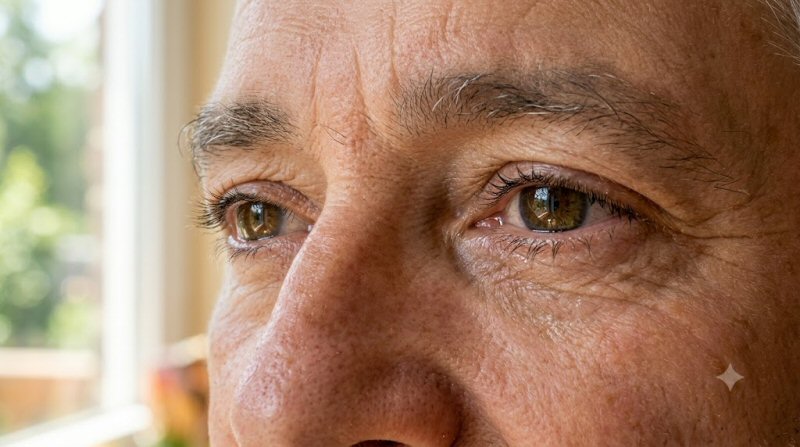
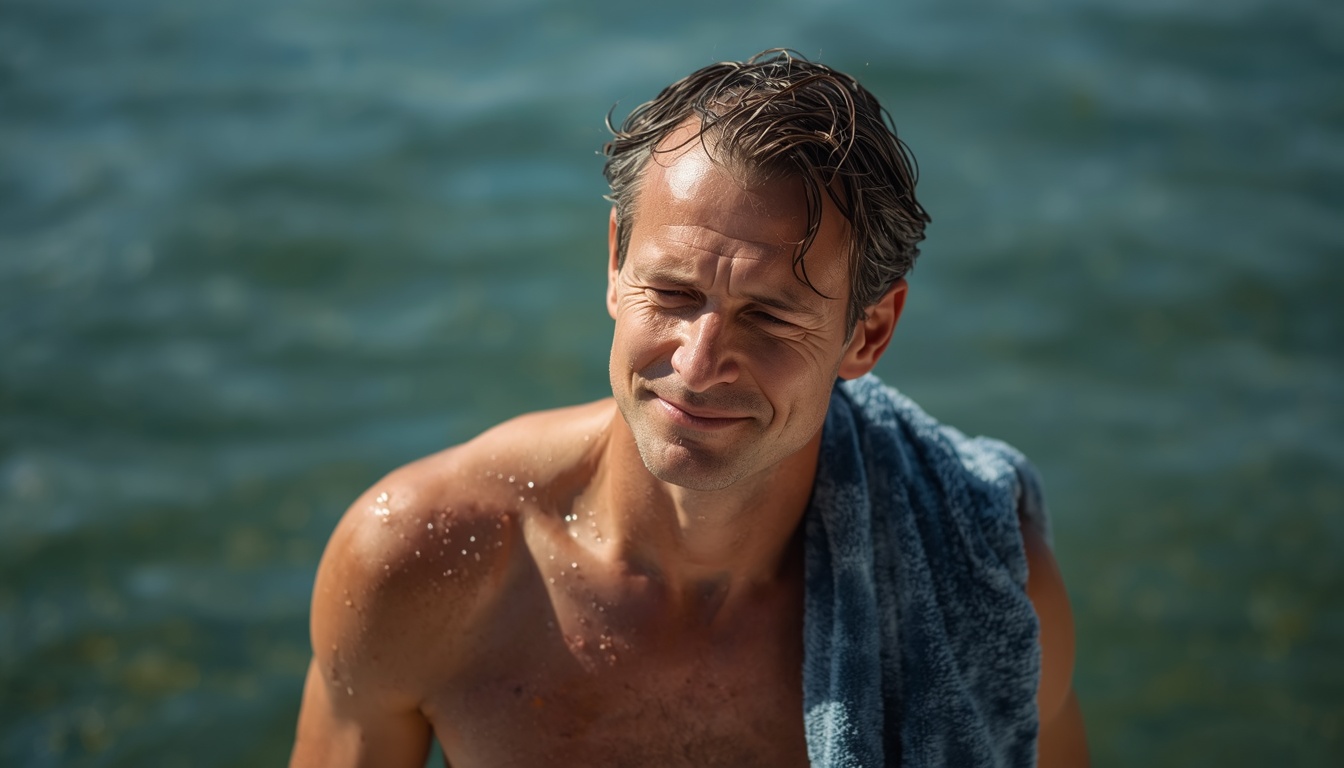
You step outside on a clear day and the sunlight hits your face. Within seconds your eyes start to water, and you find yourself blinking hard or looking down. It can feel surprising, almost as if the light itself is irritating, yet for most people this is a completely ordinary reaction.
What This Symptom Feels Like
The watering is usually mild and short-lived. Your eyes may tear enough that you need to wipe them, or you simply notice a moist film that blurs vision for a moment. Squinting is common, and the sensation often eases once you are in shade or your pupils have adjusted. Some people also feel a brief sting or the urge to sneeze, but the tearing itself is the main event.
This is different from the constant watering of dry-eye disease or the heavy tearing that follows a chemical splash. It appears mainly when you move from dim indoor light into strong outdoor brightness, or when you drive toward a low sun.
Why Bright Light Triggers Tears
Your eyes are built to protect the retina and the clear surface of the cornea. Intense light causes the pupils to constrict rapidly so less light reaches the back of the eye. At the same time, a reflex arc can stimulate the lacrimal glands to release extra tears. The tears wash the surface, add a thin protective layer, and can help scatter a bit of the incoming light.
Researchers who study tear production, including work following the earlier descriptions by Wolff and later measurements by Tiffany and Dartt, have shown that both basal tears and reflex tears respond to sensory input from the cornea and conjunctiva. Bright light is one of several triggers that can tip the system into reflex mode, especially if the surface is already a little dry from indoor air or screen use.
The same neural pathways that link light to the photic sneeze reflex can sometimes spill over into tearing. People who sneeze in sunlight, a response studied by Everett and others, often notice watery eyes at the same moment. You can read more about that related reflex in our piece on sneezing in bright sunlight.
Common Everyday Reasons
Several ordinary factors make the response stronger:
- Moving quickly from a dark room or car into full sun
- Light-colored irises that transmit more light
- Mild surface dryness from air conditioning, screens, or low humidity
- Wind combined with sunlight, which adds mechanical stimulation
- Contact lenses that slightly reduce the eye’s natural buffering
- Simply never having built up a tolerance because most days are spent indoors
Our article on why your pupils still expect outdoor light explains how modern indoor living leaves the pupil and the light-adaptation system under-practiced. The same mismatch can make the first minutes outdoors feel more dramatic.
When Watering Is Worth Checking
Occasional tearing in strong sun is normal. See a doctor or eye-care professional if:
- One eye waters far more than the other and the difference persists
- You have pain, marked redness, or light sensitivity that lasts indoors
- Vision stays blurry after the light has eased
- You notice a discharge that is yellow or green
- The watering is constant, day and night, or wakes you from sleep
- You have a history of eye injury, surgery, or a blocked tear duct
These patterns can point to dry-eye disease that paradoxically causes reflex tearing, eyelid problems, or, rarely, inflammation inside the eye. Most sunlight-related watering does not fall into these categories.
Myths vs Facts
Myth: Watery eyes in sun mean you have an allergy.
Fact: Seasonal allergies can cause tearing, but the sudden response to bright light alone is usually a normal reflex, not histamine-driven.
Myth: Sunglasses are only for fashion or UV protection.
Fact: They also reduce the intensity that triggers the reflex, making the transition outdoors far more comfortable.
Myth: If your eyes water, they cannot be dry.
Fact: A dry or unstable tear film often triggers compensatory reflex tearing. Many people with mild dry eye notice more watering outdoors. Our piece on eyes watering in the wind covers a similar protective response.
Simple Ways to Manage It
Most people need only small adjustments:
- Wear sunglasses with good coverage when you step outside; wrap-around styles help more than small lenses.
- Give your eyes a minute of shade or closed lids after leaving a dark interior.
- Stay hydrated and blink fully during long indoor stretches so the baseline tear film is healthier.
- If you wear contacts, consider daily disposables or glasses on very bright days.
- A preservative-free artificial tear drop before heading out can stabilize the surface for some people.
These steps usually quiet the response within days of consistent use.
Frequently Asked Questions
Why do my eyes water more on bright winter days than in summer?
Snow reflects a large amount of light, and cold air can dry the surface at the same time. The combination often produces stronger reflex tearing than ordinary summer sun.
Can bright light damage my eyes if they water?
The watering itself is protective. Ordinary outdoor brightness does not harm healthy eyes, but prolonged staring at the sun or welding arcs without protection can. Sunglasses remain useful for comfort and long-term UV defense.
Is it related to the photic sneeze reflex?
Often yes. The same sensory pathways can produce both a sneeze and extra tears. Not everyone who waters in the sun will sneeze, and vice versa.
Do darker sunglasses make the problem worse later?
No. They simply lower the stimulus. Your eyes still adapt; you just experience less discomfort during the first minutes.
Should children wear sunglasses for this reason?
Yes. Children’s eyes are more transparent to light, and building the habit early reduces both discomfort and cumulative UV exposure.
Conclusion
Watering eyes in bright sunlight are a normal protective reflex for most people. The combination of rapid pupil constriction, surface sensation, and a quick tear response keeps the eye safer and clearer while it adapts. Sunglasses, a brief transition period, and attention to baseline dryness usually keep the reaction mild. If the watering becomes one-sided, painful, or constant, a simple eye exam can rule out other causes and restore comfort.