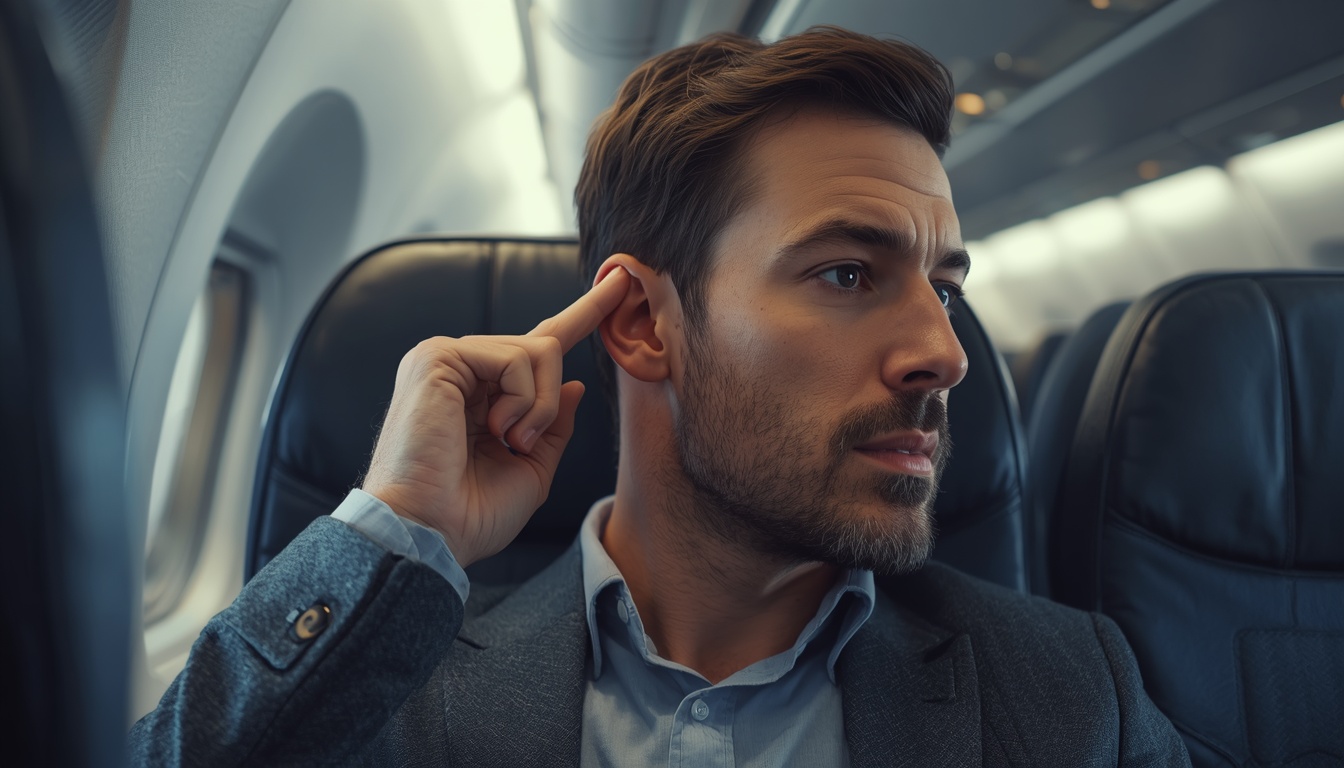
Tired, dry, or strained eyes after hours behind the wheel are common. Reduced blinking, cabin air, and sustained focus on the road explain most cases.

You pull into a rest stop or finally reach home after several hours on the road, and your eyes feel heavy, gritty, or just plain worn out. They may burn a little, water briefly, or make it hard to focus on the next thing you look at. This is one of the most ordinary complaints after long drives, and for most people it settles once the eyes get a proper rest and a chance to blink normally again.
What This Symptom Feels Like
The tiredness can show up as a mild ache behind the eyes, a sandy or dry sensation, slight blurriness that clears with a few blinks, or an urge to close your eyes even though you are not sleepy. Some people notice more glare sensitivity or that distant signs looked a bit harder to read toward the end of the trip. It is usually both eyes and improves within minutes to an hour after you stop driving and look around more naturally.
Common Causes
Sustained visual attention is the main driver. On the highway your eyes lock onto a relatively fixed distance for long stretches, with only small scanning movements. Blinking rate drops when concentration is high—exactly what happens when you are monitoring traffic, lane position, and the road ahead. Fewer blinks mean the tear film thins and breaks up more often.
Cabin air adds another layer. Car heaters and air conditioning move dry air across the face, and many vehicles have lower humidity than outdoor air. The same mechanism that makes eyes feel dry on a plane or after long screen time is at work here. Bright sunlight, windshield glare, and the need to keep adjusting between sun and shade further tax the focusing system.
Night driving or driving in rain can feel worse because pupils stay more dilated and contrast is lower, so the eyes work harder. Age-related changes in tear quality or mild uncorrected refractive error can make the same drive more fatiguing, but they are not required for the symptom to appear.
Why This Happens
The tear film needs regular full blinks to stay even and to spread the oily layer from the meibomian glands. Research on blink patterns, including work by Kazuo Tsubota and others on reduced blinking during visual tasks, shows that concentrated viewing reliably lowers blink rate. Driving is a classic concentrated visual task. When the tear film becomes unstable, the ocular surface sends signals of discomfort and the eyes feel tired even if the muscles themselves are not exhausted.
Accommodation (the focusing of the lens) also stays relatively constant on long straight stretches. The ciliary muscle does not get the micro-adjustments it would during ordinary walking or looking around a room. After hours of this, the system can feel temporarily sluggish when you finally look at something close or change focus. This is usually short-lived and not a sign of lasting damage.
Less Common but Serious Causes
Persistent one-sided pain, sudden vision loss, halos around lights, severe headache with eye pain, or symptoms that do not improve after rest deserve prompt attention. These can point to issues such as acute glaucoma, a significant refractive problem, or, rarely, neurological causes. Most post-drive eye tiredness is bilateral, mild, and resolves with rest and blinking.
Hidden Triggers
Wearing contact lenses for the entire trip increases evaporation and reduces oxygen to the surface. Dehydration from skipped drinks or too much coffee concentrates the tear film. Allergies or residual makeup can add irritation. Sitting with the air vents aimed directly at the face makes the drying effect stronger. Poor sleep the night before lowers the threshold for any visual discomfort.
When to Worry
See a clinician if the tiredness is accompanied by new flashes, a sudden increase in floaters, double vision, a curtain over part of the vision, or eye pain that is severe or one-sided. Redness that does not clear, discharge, or light sensitivity that lasts more than a day or two after the drive also warrants a check. Occasional post-drive fatigue that clears with rest is expected; progressive or disabling symptoms are not.
Myths vs Facts
Myth: Tired eyes after driving mean your vision is getting worse.
Fact: Temporary strain from reduced blinking and fixed focus is common and usually reverses quickly. A proper eye exam can rule out refractive needs, but the drive itself is rarely the cause of lasting change.
Myth: Only people who need glasses get this.
Fact: Even people with perfect correction notice it on long trips because the blink rate and tear film are the main factors.
Myth: Rubbing your eyes hard will fix it.
Fact: Gentle blinking and a brief rest help; aggressive rubbing can irritate the surface further.
How to Manage It
Plan short breaks every 1–2 hours. Get out of the car, look at distant and near objects, and do a few deliberate full blinks. Keep the cabin humidity higher if possible by directing vents away from your face or using a small humidifier on longer trips. Stay hydrated and avoid letting contact lenses dry out—switch to glasses for long hauls when practical.
Artificial tears (preservative-free if used often) can be kept in the car for mid-trip relief. Polarized sunglasses reduce glare and lower the demand on the visual system. After the drive, spend a few minutes looking around the room or outside without screens so the focusing system can reset.
Related reading on the site includes how eyes respond to sustained near work and incomplete blinks: Is It Normal for Your Eyes to Feel Dry After Screen Time? and Why Your Tear Film Still Expects a Full Blink.
When to See a Doctor
Book an eye exam if the tiredness happens on short drives, lasts for hours after you stop, or comes with other new visual symptoms. An optometrist or ophthalmologist can check tear quality, refractive status, and the ocular surface. Most people need only practical adjustments, not treatment.
FAQs
Why do my eyes feel worse on the highway than in the city?
Highway driving keeps focus at a nearly constant distance with fewer natural breaks for blinking and accommodation changes. City driving forces more frequent shifts in gaze and focus, which keeps the system more active.
Can air conditioning alone cause this?
Yes. Dry moving air accelerates tear evaporation. Aiming vents away from the face and taking blink breaks reduces the effect even if the AC stays on.
Is it safe to drive if my eyes already feel tired at the start?
Mild tiredness that clears with a few blinks is usually fine, but significant dryness, blurriness, or the urge to close your eyes means you should rest before continuing. Fatigue and dry eyes both reduce reaction time.
Do blue-light glasses help on long drives?
The main issues are blink rate, tear film, and glare, not blue light. Polarized sunglasses and regular breaks address the actual drivers of the symptom more directly.
Will this get better if I get new glasses?
If you have an uncorrected prescription or outdated lenses, an update can reduce strain. Many people still notice post-drive tiredness from the blink and air factors even with perfect correction.
Conclusion
Feeling tired eyes after a long drive is a normal response to hours of reduced blinking, dry cabin air, and sustained focus at one distance. The ocular surface and focusing system are simply doing what they do under those conditions. Short breaks, deliberate blinks, better air direction, and hydration clear it for most people. Persistent or one-sided symptoms are the exception and worth checking, but ordinary post-drive eye fatigue is an expected part of modern travel rather than a warning of damage.