A blocked or full feeling in the ears after a cold is very common. Here is why the Eustachian tube often stays swollen, how long it usually lasts, and simple steps that help it clear.
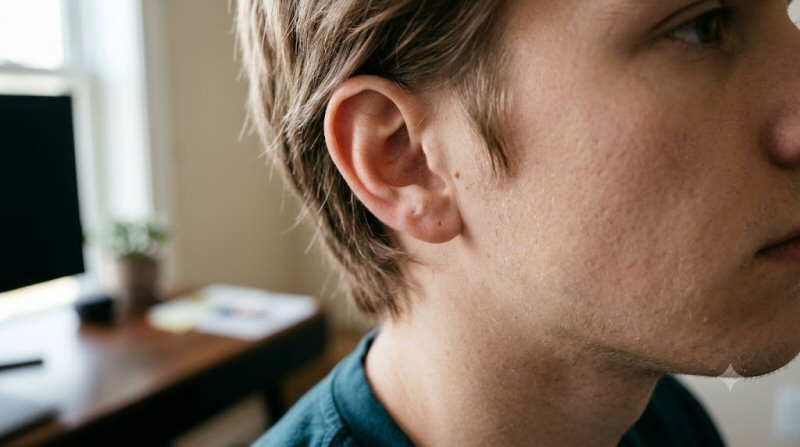
You finally start feeling better from a cold or flu, yet one or both ears still feel stuffed, muffled, or full. Sounds seem distant, your own voice echoes inside your head, and swallowing or yawning only gives brief relief. This is one of the most frequent leftover symptoms people notice after a respiratory infection.
In most cases it is a normal, temporary consequence of inflammation in the narrow tube that equalizes pressure between the middle ear and the back of the nose. The feeling can linger for days or even a couple of weeks after the other cold symptoms have faded.
What This Symptom Feels Like
People usually describe a sense of pressure or cotton-wool fullness rather than sharp pain. Hearing may seem reduced, especially for lower tones, and some notice a mild crackling or popping when they swallow or change altitude. The sensation is often worse in the morning or after lying down. Mild autophony—hearing your own breathing or voice more loudly—is also common while the tube is sluggish.
Unlike the sharp pain of an acute middle-ear infection, the blocked feeling after a cold is typically dull and pressure-like. It may shift from one ear to the other or affect both sides.
Common Causes
The main driver is swelling and mucus around the openings of the Eustachian tubes. These tubes, roughly the length of a paperclip, run from the middle ear to the nasopharynx. When the lining of the nose and throat is inflamed from a viral cold, the tube openings swell and cannot open and close normally.
Residual fluid or thick mucus can also pool in the middle ear or around the tube, further muffling sound. Even after the virus has cleared, the mucosal swelling often takes longer to settle than nasal congestion.
Allergies that flare during or after a cold, or ongoing post-nasal drip, can keep the same area irritated.
Why This Happens
The Eustachian tube is lined with the same respiratory mucosa as the nose. Viral infection triggers local inflammation, increased mucus production, and temporary dysfunction of the tiny muscles that open the tube during swallowing. Classic work by researchers such as Charles Bluestone and others mapped how this dysfunction allows negative pressure to build in the middle ear or prevents fluid from draining.
Once the tube stays closed for long enough, the middle-ear space can fill with a sterile transudate (serous otitis or otitis media with effusion). This fluid itself dampens the movement of the eardrum, producing the blocked sensation. The process is usually self-limited; as the mucosal edema recedes, the tube resumes its normal opening cycles and the fluid is absorbed or drained.
Similar mechanics explain why ears can feel full after a flight or rapid elevator ride—both situations stress the same pressure-equalization system. You can read more about that everyday version in our article on ears feeling full after a flight.
Less Common but Serious Causes
Persistent blockage lasting more than three to four weeks, especially with significant hearing loss, dizziness, or pain, warrants medical review. Bacterial superinfection of middle-ear fluid, chronic Eustachian tube dysfunction, or (rarely) a nasopharyngeal mass can keep the tube from functioning. Sudden sensorineural hearing loss is uncommon after a simple cold but is a medical emergency if it occurs.
In children the same process is more frequent because their tubes are shorter and more horizontal, which is why middle-ear fluid after colds is so common in that age group.
Hidden Triggers
- Continuing to smoke or exposure to second-hand smoke keeps nasal mucosa swollen.
- Forceful nose-blowing can push mucus toward the tube openings.
- Sleeping flat may allow more fluid to collect overnight.
- Air travel or mountain driving while the tubes are still inflamed can worsen the pressure difference.
- Untreated allergic rhinitis that coexists with the cold.
When to Worry
Seek prompt care if you develop:
- Severe ear pain, fever, or drainage from the ear
- Sudden marked hearing loss in one ear
- Vertigo, imbalance, or facial weakness
- Symptoms that steadily worsen after the first week rather than slowly improve
- Blockage that has not improved at all after three to four weeks
Most post-cold ear fullness resolves without intervention, but these red flags help distinguish ordinary mucosal recovery from something that needs evaluation.
Myths vs Facts
Myth: You must take antibiotics for blocked ears after a cold.
Fact: The majority of cases are viral or sterile fluid and do not require antibiotics. Guidelines from otolaryngology groups emphasize watchful waiting for uncomplicated effusion.
Myth: The fluid will damage hearing permanently if it stays a few weeks.
Fact: Temporary conductive hearing loss from middle-ear fluid almost always reverses once the fluid clears. Permanent damage is rare in otherwise healthy adults.
Myth: Ear candling or aggressive irrigation clears the blockage.
Fact: These practices do not reach the Eustachian tube and can injure the ear canal or eardrum.
How to Manage It at Home
Simple measures often speed recovery:
- Stay hydrated and use saline nasal rinses or sprays to keep the nasal passages clear.
- Try gentle auto-inflation: pinch the nostrils, close the mouth, and gently blow as if clearing the nose (Valsalva maneuver). Stop if it causes pain. Swallowing or yawning frequently also helps open the tubes.
- Elevate the head of the bed slightly at night.
- Avoid forceful nose-blowing; instead, blow gently one nostril at a time.
- Over-the-counter nasal corticosteroid sprays can reduce mucosal swelling if used for a week or more; oral decongestants may offer short-term help but are not ideal for prolonged use.
- Chewing gum or sucking on hard candy encourages swallowing and tube opening—the same reflex described in our piece on ears popping when you swallow.
Most people notice gradual improvement over 7–14 days. If the feeling is only mildly bothersome, patience plus the steps above is usually sufficient.
When to See a Doctor
See a clinician or an ear, nose, and throat specialist if the blockage persists beyond three to four weeks, hearing remains noticeably reduced, or any of the red-flag symptoms appear. An examination of the eardrum and, if needed, a simple hearing test or tympanometry can confirm whether fluid is still present. In selected adult cases a short course of nasal steroids or, rarely, a procedure to equalize pressure may be discussed.
Children with recurrent fluid after colds are often monitored by pediatricians because of the higher risk of speech or learning effects from prolonged hearing reduction.
FAQs
How long does blocked ears usually last after a cold?
Most adults improve within one to two weeks. A minority still notice mild fullness for three weeks. Improvement is typically gradual rather than sudden.
Can I fly while my ears still feel blocked?
Flying while the tubes are inflamed increases the chance of barotrauma and greater discomfort. If travel is unavoidable, use a nasal decongestant spray before descent and perform frequent swallowing or gentle Valsalva maneuvers. Consider delaying non-essential flights until the fullness has eased.
Is it safe to use ear drops?
Ordinary ear drops do not reach the middle ear when the eardrum is intact and will not relieve Eustachian tube blockage. They are useful only for outer-ear issues such as swimmer’s ear, which is a different problem covered in our article on ears feeling blocked after swimming.
Why does only one ear feel blocked?
The degree of mucosal swelling and the anatomy of each tube can differ slightly. One side often clears faster than the other; this asymmetry is common and not a cause for alarm if both sides are otherwise improving.
Does vitamin C or other supplements speed recovery?
No high-quality evidence shows that vitamin C, zinc, or herbal remedies specifically clear post-cold Eustachian dysfunction faster than supportive care and time. Focusing on hydration, nasal saline, and avoiding irritants is more reliably helpful.
Conclusion
A blocked or full sensation in the ears after a cold is an ordinary consequence of temporary Eustachian tube inflammation and mild middle-ear fluid. For the large majority of healthy adults it resolves on its own within a couple of weeks. Gentle pressure-equalization maneuvers, nasal saline, head elevation, and patience are usually enough. Persistent symptoms, marked hearing change, pain, or dizziness deserve a professional check so that less common causes can be ruled out. The same system that equalizes pressure during everyday altitude changes simply needs a little longer to recover after a respiratory infection.