More healthy young adults are having heart attacks. Learn the real causes scientists are finding, warning signs, and proven ways to protect your heart starting today.
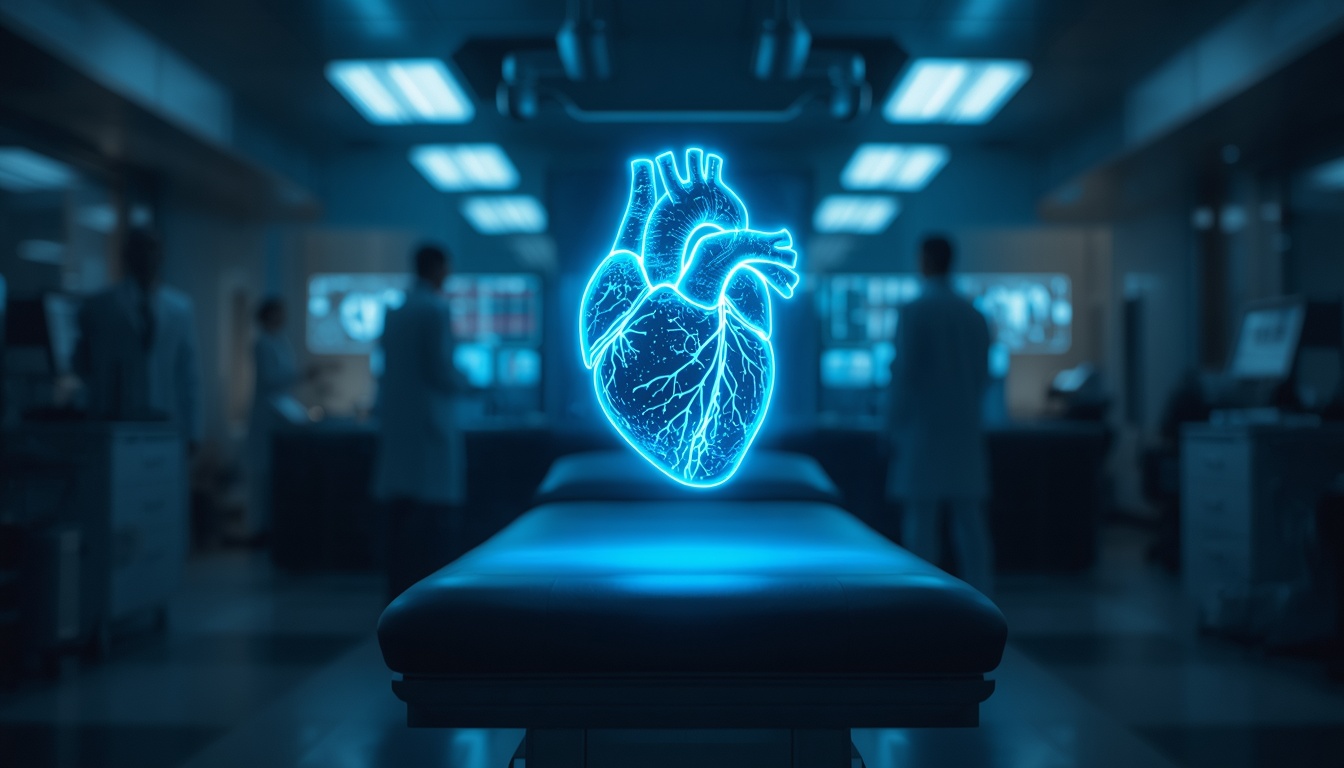
Imagine this: You’re 32, you hit the gym a few times a week, you don’t smoke, and your last checkup was fine. One morning, while climbing the stairs to your office, a sudden pressure builds in your chest. It feels like someone is sitting on you. Your left arm tingles. You tell yourself it’s just stress or indigestion. By the time you reach the emergency room, doctors confirm what no one your age expects— a heart attack.
Stories like this are no longer rare. Across clinics and hospitals, cardiologists are seeing more people in their 20s, 30s, and early 40s arrive with blocked arteries or damaged heart muscle, often after describing themselves as “pretty healthy.” The pattern has scientists, doctors, and public-health researchers digging deeper into why heart attacks—once considered a disease of older age—are showing up earlier in people who appear fit and free of classic warning signs.
This article unpacks what we know so far. We’ll start with the symptom itself, explore common and less common causes, explain the biology in plain language, and then move into practical ways to manage risk and recover. The goal is clear information you can use, without scare tactics or medical jargon that leaves you more confused than when you started.
Understanding the Symptom: What a Heart Attack Actually Feels Like in Younger People
A heart attack, or myocardial infarction, happens when blood flow to part of the heart muscle is blocked long enough that tissue begins to die. In older adults the classic picture is crushing chest pain radiating to the jaw or left arm. In younger adults the picture can be subtler or different.
Many younger patients report:
- Pressure, tightness, or a squeezing sensation in the center of the chest that lasts more than a few minutes
- Pain or discomfort that spreads to the shoulders, neck, jaw, back, or one or both arms
- Shortness of breath that feels out of proportion to activity
- Sudden, unexplained fatigue or a sense of impending doom
- Nausea, lightheadedness, or cold sweat
- In some women and younger men, sharp or burning pain rather than the classic heavy pressure
These symptoms can come and go. Some people walk around for hours thinking it’s anxiety or muscle strain. That delay is one reason outcomes can be more serious in younger patients—they often wait longer to seek help because they don’t believe a heart attack is possible at their age.
What This Symptom Could Mean
Chest discomfort or sudden breathlessness in a young adult does not automatically mean a heart attack. It can also signal acid reflux, panic attacks, muscle strain, or inflammation around the heart (pericarditis). Yet the same symptoms can point to genuine coronary artery blockage, a tear in an artery wall, or a blood clot that has traveled to the heart.
When the symptom is cardiac in origin, it usually means one of two broad scenarios. Most often, fatty plaque has built up inside a coronary artery and either ruptured or eroded, triggering a clot that cuts off blood flow. Less often, the artery itself has torn (spontaneous coronary artery dissection), gone into severe spasm, or become blocked by a clot formed elsewhere in the body. Both pathways starve the heart muscle of oxygen.
The key point: the same physical sensation can range from temporary and reversible to life-threatening. Only evaluation with an electrocardiogram, blood tests for heart-muscle damage, and sometimes imaging can sort it out.
When It’s Harmless vs Serious
Harmless chest symptoms usually come and go quickly, are clearly tied to movement or position, or improve with antacids or deep breathing. They rarely produce sweating, nausea, or a feeling that something is very wrong.
Serious warning signs include:
- Pain or pressure that lasts longer than a few minutes or returns
- Symptoms that appear during physical activity or emotional stress and ease only with rest
- Associated sweating, nausea, dizziness, or shortness of breath
- Any sudden collapse or near-fainting
- Symptoms that wake you from sleep
If those features are present, treat the situation as urgent. Time lost equals heart muscle lost. Younger people sometimes dismiss the episode because they feel otherwise healthy; that delay is one of the factors researchers are trying to change through better public awareness.
Common Causes: The Lifestyle Drivers Scientists Keep Finding
Decades of data show that the biggest contributors to early heart attacks are the same risk factors that drive heart disease later in life—only they are now appearing earlier and more intensely.
High blood pressure, elevated LDL cholesterol, type 2 diabetes, and excess body weight have all risen among adults under 45. Ultra-processed foods high in sugar, refined carbohydrates, and unhealthy fats accelerate these changes. Long hours sitting at desks or in front of screens reduce the protective effect of regular movement. Sleep that is short or fragmented raises blood pressure and inflammation overnight.
Smoking remains a powerful accelerator. Even light or social smoking damages the lining of arteries. Vaping, once thought safer, delivers nicotine and other chemicals that stiffen vessels and promote clotting. Recreational drug use—particularly cocaine, methamphetamine, and, according to newer analyses, heavy cannabis use—can trigger sudden artery spasm or plaque rupture even in people with clean arteries.
Chronic stress and poor recovery add another layer. Constant high cortisol levels keep blood pressure elevated and promote inflammation inside vessel walls. Many young professionals describe years of long work hours, financial pressure, and little downtime—conditions that researchers now link to faster progression of coronary disease.
Less Common but Serious Causes
Not every young heart-attack patient has classic risk factors. Some have genetic conditions such as familial hypercholesterolemia, in which LDL cholesterol is extremely high from childhood, or elevated lipoprotein(a), a particle that promotes both plaque and clotting. Autoimmune diseases like lupus or rheumatoid arthritis create ongoing inflammation that damages arteries. Blood-clotting disorders can send emboli to the heart.
Spontaneous coronary artery dissection (SCAD) is another important cause, especially in younger women. The wall of a coronary artery tears, creating a flap that blocks blood flow. SCAD is not caused by plaque and can occur in people with otherwise healthy arteries, sometimes triggered by extreme physical or emotional stress or associated with fibromuscular dysplasia.
COVID-19 infection has also entered the conversation. Studies show that the virus can raise the risk of heart attack for months afterward by increasing inflammation and making blood more likely to clot. The effect appears stronger in unvaccinated individuals and in those with severe illness, but even mild cases can leave a temporary cardiovascular footprint.
Why This Happens in Your Body: The Biological Explanation
Arteries are not rigid pipes. Their inner lining, the endothelium, is a living surface that regulates blood flow, prevents clotting, and keeps inflammation in check. When that surface is repeatedly injured—by high blood pressure, high blood sugar, cigarette smoke, or inflammatory molecules—it becomes sticky. Cholesterol particles slip underneath and start an inflammatory cascade. Immune cells arrive, foam cells form, and plaque grows.
In younger people the plaque is often softer and more lipid-rich than the calcified plaques of older adults. Soft plaque is more likely to rupture or erode suddenly. When the surface breaks, platelets rush in and form a clot that can completely block the artery within minutes. Downstream heart muscle is starved of oxygen and begins to die.
Other mechanisms skip the plaque stage. Cocaine or extreme stress can cause intense spasm of an artery. A tear in the vessel wall creates a mechanical obstruction. A clot formed in the leg or heart chambers can travel and lodge in a coronary artery. In each case the end result is the same: heart muscle that cannot contract properly.
Scientists are still mapping how modern lifestyle factors accelerate these processes so early. Ultra-processed diets appear to drive low-grade inflammation and gut-microbiome changes that affect vessel health. Prolonged sitting reduces the mechanical signals that keep endothelium healthy. Poor sleep disrupts the nightly repair of blood-vessel lining. The combination creates a perfect storm that was rarer a generation ago.
Hidden Triggers People Often Ignore
Several factors fly under the radar until a crisis occurs:
- Elevated lipoprotein(a)—largely genetic and not measured on standard cholesterol panels
- Undiagnosed sleep apnea, which repeatedly drops oxygen levels and raises blood pressure at night
- Chronic low-level inflammation from untreated gum disease or autoimmune conditions
- Heavy energy-drink consumption, which can raise blood pressure and trigger arrhythmias
- Extreme endurance exercise without adequate recovery in people who already have hidden plaque
- Hormonal shifts after pregnancy or with certain contraceptive methods that increase clotting risk
These triggers do not act alone. They amplify the effect of more obvious risks such as smoking or high cholesterol.
Treatment Options Explained
Once a heart attack is confirmed, the immediate goal is to restore blood flow and limit muscle damage. In the hospital this may involve medications that dissolve or prevent clots, or a procedure to open the blocked artery with a balloon and stent. After the acute phase, treatment shifts to long-term protection of the heart and prevention of another event.
Lifestyle changes form the foundation for almost every patient. A diet rich in vegetables, fruits, whole grains, legumes, nuts, and fish while low in ultra-processed foods, added sugars, and excess salt helps stabilize plaque and lower blood pressure and cholesterol. Regular moderate aerobic activity—walking, cycling, swimming—strengthens the heart and improves vessel function; most cardiologists recommend building up to at least 150 minutes per week, guided by individual recovery. Stopping smoking or vaping produces measurable benefits within weeks. Quality sleep and stress-reduction practices such as mindfulness, therapy, or simply protected downtime lower the inflammatory load.
Home remedies and supportive habits include maintaining a healthy weight, limiting alcohol, staying hydrated, and managing blood sugar through consistent meal timing and movement after meals. These steps are not substitutes for medical care, but they amplify the effect of any prescribed treatment.
Medicines Doctors May Recommend
Medications are chosen according to the individual findings—how much artery damage occurred, what risk factors are present, and how the patient responds. Common categories include:
- Antiplatelet agents that make blood less likely to form new clots on existing plaque or stents
- Cholesterol-lowering medicines, most often statins, that reduce LDL and stabilize plaque
- Blood-pressure medicines from several classes that ease the workload on the heart and protect vessel walls
- Medicines that improve the heart’s pumping efficiency or control heart rate when needed
- In selected cases, drugs that target inflammation or specific genetic lipid disorders
Doctors individualize the combination and monitor for side effects. The medicines do not “cure” the underlying tendency toward plaque; they buy time and reduce the chance of another blockage while lifestyle changes take effect. No one should start, stop, or adjust any of these agents without direct medical supervision.
Natural vs Medical Treatment: What Works Better?
The evidence is clear that the two approaches work best together. Lifestyle measures address the root drivers—diet, inactivity, smoking, stress—and can produce large reductions in risk when applied consistently. In some younger patients with mild disease and few residual risk factors, intensive lifestyle change has been shown to stabilize or even regress early plaque.
Medicines, however, provide rapid and reliable protection that lifestyle alone cannot match in the months after a heart attack or in people with high genetic risk, very high cholesterol, or multiple uncontrolled factors. Studies repeatedly show that patients who combine both strategies have the lowest rates of recurrent events.
Think of lifestyle as the long-term foundation and medicines as the scaffolding that keeps the structure safe while the foundation is strengthened. Neither is superior in isolation; the combination is what modern cardiology recommends.
Myths vs Facts
Myth: Heart attacks only happen to older, overweight smokers.
Fact: Increasing numbers of normal-weight, non-smoking people in their 30s and 40s are experiencing them. Genetics, inflammation, and modern lifestyle factors can override the protective effect of youth.
Myth: If you exercise regularly you are protected.
Fact: Exercise is powerfully protective, but it cannot fully counteract heavy smoking, extreme cholesterol levels, or certain genetic conditions. Fitness and heart-attack risk can coexist.
Myth: Chest pain that goes away is nothing to worry about.
Fact: Unstable angina—pain that comes and goes—can be a warning that a complete blockage is imminent. Any new or changing chest symptom deserves evaluation.
Myth: Young women rarely have heart attacks.
Fact: Rates in younger women have risen, and women are more likely to experience non-classic symptoms or SCAD. Awareness and timely care matter for both sexes.
Myth: Once you survive a heart attack at a young age, you are “cured.”
Fact: The underlying processes that caused the first event usually continue unless actively managed. Lifelong attention to risk factors is required.
When to See a Doctor
Seek emergency care immediately for any prolonged or recurrent chest pressure, sudden severe shortness of breath, fainting, or symptoms that feel like a heart attack. Do not drive yourself; call emergency services.
Schedule a non-urgent appointment if you have:
- A family history of early heart disease (father or brother before 55, mother or sister before 65)
- Known high cholesterol, high blood pressure, or diabetes that has not been recently reviewed
- A smoking or vaping history and want help quitting
- Unexplained fatigue, reduced exercise tolerance, or intermittent chest discomfort
- Autoimmune disease, prior COVID infection with lingering symptoms, or pregnancy-related hypertension
Primary-care clinicians and cardiologists can order appropriate blood tests, electrocardiograms, and, when indicated, stress tests or imaging. Early detection of risk factors is far more effective than waiting for symptoms.
Frequently Asked Questions
Can a heart attack really happen to someone who looks fit and healthy?
Yes. External appearance does not reveal the state of the coronary arteries. Hidden high cholesterol, genetic factors, or recent infection can create risk that is invisible until an event occurs.
Is the rise in young heart attacks mainly caused by COVID vaccines?
Large studies, including autopsy series, have not found a causal link between vaccination and the overall rise in heart attacks among young adults. The infection itself carries a clearer short-term increase in risk through inflammation and clotting changes.
How soon after a heart attack can someone return to normal activity?
Recovery timelines vary. Most people begin cardiac rehabilitation within days to weeks and gradually increase activity under medical guidance. Full return to work and exercise depends on the extent of muscle damage and remaining risk factors.
Does stress alone cause heart attacks?
Acute extreme stress can trigger an event in someone who already has vulnerable plaque or a predisposition to artery spasm. Chronic stress contributes by raising blood pressure and inflammation over time, but it rarely acts as the sole cause.
Are energy drinks dangerous for the heart?
High doses of caffeine and other stimulants can raise blood pressure, trigger arrhythmias, and, in rare cases, contribute to heart-muscle injury, especially when combined with alcohol or intense exercise. Moderation is wise.
Should every young adult get a coronary calcium scan?
Not routinely. The test is most useful in selected people with intermediate risk or strong family history. A clinician can decide whether the information would change management.
Can plaque that has already formed be reversed?
Aggressive lowering of LDL cholesterol combined with lifestyle change can stabilize plaque and, in some cases, produce modest regression. Complete disappearance of established plaque is uncommon, which is why prevention remains the highest priority.
Conclusion: Knowledge Is the First Form of Protection
The rise in heart attacks among people who once considered themselves low-risk is real and well documented. Scientists continue to map the precise mix of lifestyle, genetic, inflammatory, and environmental factors that are shifting the timeline of coronary disease earlier. What is already clear is that most of the drivers are modifiable.
You do not need to live in fear. You do need accurate information and a willingness to act on it. Pay attention to new or unusual chest symptoms. Know your numbers—blood pressure, cholesterol, blood sugar. Build daily habits that protect your arteries: movement, real food, sleep, and recovery from stress. If risk factors are present, work with clinicians who can combine lifestyle guidance with appropriate medicines.
Heart attacks in young adults are no longer medical oddities. They are a signal that the conditions of modern life are testing the resilience of the cardiovascular system earlier than before. The good news is that the same science revealing the problem also supplies the tools to push back. Use them. Your future self will thank you.