
Are protein powders harming your kidneys? Discover the science, symptoms, risks, myths, and treatment options behind daily protein supplement use.
Introduction: The Fitness Habit That Starts Raising Questions
You started working out a few months ago. Every morning, you mix a scoop of protein powder into water, milk, or a smoothie. The gains are noticeable. Your muscles feel stronger, recovery is faster, and your energy seems better.
Then one day, a friend says, “Be careful. Too much protein powder can damage your kidneys.”
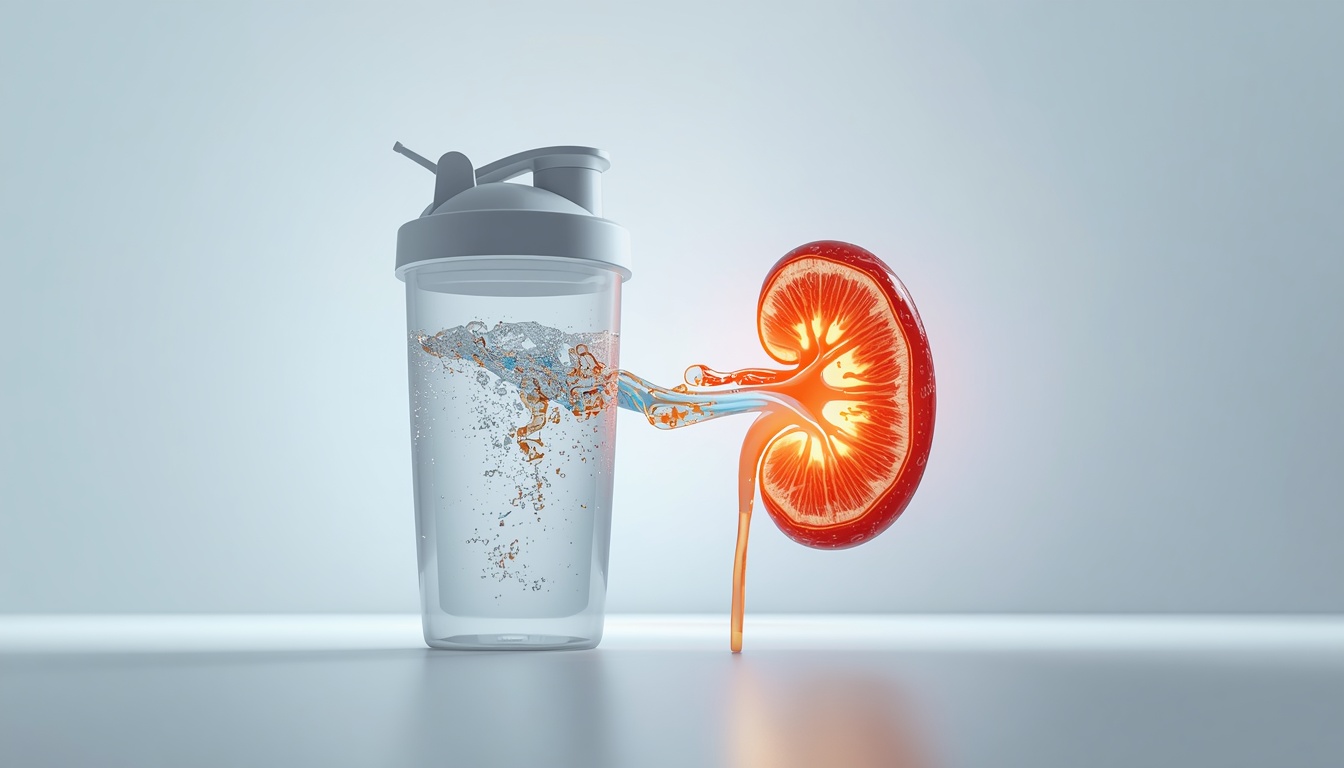
Suddenly, you begin wondering whether your healthy habit could be causing hidden harm. Maybe you've noticed darker urine after workouts, occasional bloating, or increased thirst. Are these normal effects of a high-protein diet, or warning signs of kidney damage?
Protein powders have become one of the most popular dietary supplements worldwide. Athletes, gym-goers, busy professionals, older adults, and even teenagers use them daily. Yet concerns about kidney health continue to circulate across social media, fitness forums, and casual conversations.
So, are protein powders safe for daily use? Or could they slowly harm your kidneys over time?
The answer is more nuanced than many people realize. Understanding how protein affects the body—and what symptoms actually matter—can help separate scientific facts from common myths.
Understanding the Symptom: Why People Worry About Kidney Damage
The kidneys are remarkable organs that continuously filter waste products from the bloodstream. Since protein metabolism produces nitrogen-containing waste compounds, many people assume that consuming extra protein automatically places dangerous stress on the kidneys.
This concern often becomes stronger when someone experiences symptoms such as:
- Frequent urination
- Increased thirst
- Foamy urine
- Fatigue
- Lower back discomfort
- Bloating
- Changes in urine color
While these symptoms can occasionally indicate kidney problems, they are often caused by entirely different factors.
Understanding what these signs mean is the first step toward making informed decisions about protein supplementation.
How Protein Is Processed in the Body
When you consume protein powder, your digestive system breaks it down into amino acids. These amino acids serve as building blocks for muscles, enzymes, hormones, immune cells, and countless other tissues.
Any excess protein that isn't needed immediately is metabolized. During this process, nitrogen-containing waste products are generated.
The liver converts much of this waste into urea, which then travels through the bloodstream to the kidneys. The kidneys filter the urea and eliminate it through urine.
This natural process is sometimes interpreted as "stress" on the kidneys. However, increased kidney workload does not automatically mean kidney damage.
Healthy kidneys are designed to adapt to varying dietary demands, including changes in protein intake.
Common Causes of Symptoms People Blame on Protein Powder
1. Dehydration
One of the most common reasons people experience symptoms after increasing protein intake is dehydration.
Higher protein consumption can increase water requirements because the body uses water when processing and eliminating metabolic waste.
Signs of dehydration include:
- Dark urine
- Headaches
- Fatigue
- Dizziness
- Dry mouth
- Increased thirst
Many people mistakenly attribute these symptoms to kidney damage when inadequate hydration is the real issue.
2. Intense Exercise
People who use protein supplements are often exercising harder than before. Intense training itself can cause temporary changes in kidney-related laboratory markers.
Heavy exercise may also cause:
- Muscle soreness
- Temporary fatigue
- Increased creatinine levels
- Changes in urine concentration
These changes do not necessarily indicate kidney disease.
3. Lactose Intolerance
Many whey protein products contain small amounts of lactose.
Individuals sensitive to lactose may experience:
- Bloating
- Gas
- Abdominal discomfort
- Diarrhea
These digestive symptoms are sometimes wrongly interpreted as signs of organ damage.
4. Excessive Supplement Consumption
Some people consume multiple protein shakes daily while also eating large amounts of protein-rich foods.
Extremely high protein intake may cause digestive discomfort, nausea, and dehydration-related symptoms, even if kidney damage is not occurring.
Uncommon Causes That May Raise Legitimate Concerns
Underlying Kidney Disease
The most important exception involves individuals who already have kidney disease.
Damaged kidneys may struggle to handle increased protein loads efficiently.
For these individuals, healthcare providers often recommend carefully monitored protein intake.
The issue is not that protein powder causes kidney disease, but that existing kidney disease can make excessive protein intake problematic.
Undiagnosed Medical Conditions
Several conditions may affect how the body responds to protein intake:
- Chronic kidney disease
- Diabetes
- High blood pressure
- Certain genetic kidney disorders
- Autoimmune diseases affecting the kidneys
In such cases, symptoms may become noticeable only after dietary changes draw attention to them.
Contaminated Supplements
Quality matters.
Some low-quality supplements have historically been found to contain contaminants such as heavy metals or undeclared substances.
Long-term exposure to certain contaminants could potentially affect multiple organs, including the kidneys.
This is why choosing reputable manufacturers is important.
The Biological Explanation: Does More Protein Damage Healthy Kidneys?
This question has been extensively studied.
When protein intake increases, kidney filtration rates often increase temporarily. Scientists call this "glomerular hyperfiltration."
Some people interpret hyperfiltration as evidence of damage. However, in healthy individuals, it is generally considered a normal adaptive response.
Think of it like the heart beating faster during exercise. Increased activity does not necessarily mean injury.
Research involving athletes, bodybuilders, and healthy adults consuming high-protein diets has generally failed to demonstrate significant kidney damage attributable solely to increased protein intake.
Current evidence suggests that healthy kidneys can adapt to higher protein consumption without suffering progressive injury.
The situation differs for people who already have impaired kidney function.
What This Symptom Could Mean
If you use protein powder regularly and notice symptoms, several explanations are possible.
| Symptom | Possible Meaning |
|---|---|
| Dark urine | Dehydration, concentrated urine |
| Foamy urine | Rapid urination, protein in urine, or harmless turbulence |
| Bloating | Lactose intolerance, digestive sensitivity |
| Fatigue | Overtraining, dehydration, poor sleep |
| Swelling in feet or face | Possible kidney disease requiring evaluation |
| Persistent nausea | Potential medical issue requiring assessment |
The symptom alone rarely tells the entire story.
When It's Harmless vs Serious
Usually Harmless
- Mild increase in thirst
- Clear increase in urine volume after increased water intake
- Temporary bloating after whey protein
- Minor digestive discomfort
- Occasional dark urine after intense exercise
Potentially Serious
- Persistent swelling of legs, ankles, or face
- Blood in urine
- Severe fatigue
- Persistent foamy urine
- Significant decrease in urine output
- Unexplained high blood pressure
- Persistent nausea and vomiting
These symptoms warrant medical evaluation regardless of protein supplement use.
Treatment Options Explained
If symptoms appear after starting protein powder, treatment depends entirely on the underlying cause.
The goal is not simply stopping protein powder but identifying what is actually happening.
Improve Hydration
For many people, increasing water intake resolves symptoms related to higher protein consumption.
Adequate hydration supports normal kidney function and helps the body eliminate metabolic waste efficiently.
Review Total Protein Intake
Sometimes the issue is not protein powder itself but excessive total protein from all dietary sources combined.
Evaluating overall dietary habits may help reduce digestive discomfort.
Switch Protein Sources
Individuals experiencing digestive symptoms may benefit from trying different protein sources.
- Whey isolate
- Plant-based protein
- Pea protein
- Rice protein
- Soy protein
Some people tolerate one form much better than another.
Address Underlying Conditions
If testing reveals kidney disease, diabetes, or hypertension, treatment focuses on managing the underlying condition.
This approach is far more important than simply eliminating protein powder.
Medicines Doctors May Recommend
There is no medication specifically used to treat "protein powder side effects."
Instead, medications are selected based on the actual diagnosis.
Blood Pressure Medications
If kidney disease or hypertension is present, doctors may recommend medications that help protect kidney function while controlling blood pressure.
Diabetes Medications
Proper blood sugar control is critical because diabetes is one of the leading causes of kidney damage worldwide.
Digestive Medications
If symptoms stem from digestive intolerance, doctors may occasionally recommend medications targeting gastrointestinal symptoms.
Treatment for Underlying Kidney Conditions
Management depends on the specific kidney disorder identified through testing.
The appropriate medication varies significantly between conditions.
Natural vs Medical Treatment: What Works Better?
The answer depends on the cause of the symptoms.
| Approach | Best For | Limitations |
|---|---|---|
| Improved hydration | Dehydration-related symptoms | Won't treat kidney disease |
| Diet modification | Digestive issues | Limited effect on medical disorders |
| Changing protein type | Food intolerance | Not useful for kidney disease |
| Medical treatment | Diagnosed disease | Requires professional evaluation |
Natural strategies work well when symptoms arise from lifestyle factors. Medical treatment becomes essential when underlying disease is present.
Myths vs Facts
Myth: Protein powder automatically damages kidneys.
Fact: Research has not shown that protein powder causes kidney damage in healthy individuals.
Myth: High-protein diets cause kidney disease.
Fact: Evidence does not support this claim in people with healthy kidneys.
Myth: Foamy urine always means kidney damage.
Fact: Foamy urine can occur for several harmless reasons, although persistent foamy urine should be evaluated.
Myth: Natural protein sources are always safer than supplements.
Fact: Quality protein supplements can be safe when used appropriately.
Myth: Everyone needs protein powder.
Fact: Many people can meet protein requirements through regular food alone.
How to Use Protein Powder More Safely
- Choose reputable products
- Avoid excessive supplementation
- Maintain adequate hydration
- Read ingredient labels carefully
- Monitor for digestive intolerance
- Discuss supplementation with a healthcare professional if you have kidney disease
- Consider periodic health checkups if using supplements long term
When to See a Doctor
You should seek medical evaluation if you experience:
- Persistent swelling of the legs, ankles, or face
- Blood in the urine
- Severe or persistent fatigue
- Significant changes in urination
- Persistent foamy urine
- Unexplained high blood pressure
- Chronic nausea or vomiting
- Known kidney disease before starting supplements
Medical testing can determine whether symptoms are related to kidney function, hydration status, dietary habits, or another condition entirely.
The Bottom Line: Are Protein Powders Safe for Daily Use?
For most healthy individuals, current scientific evidence suggests that protein powders can be used daily without causing kidney damage. The kidneys naturally adapt to varying protein intakes, and studies have not consistently shown harmful effects in people with normal kidney function.
However, this does not mean every protein powder is appropriate for everyone. Product quality, total protein intake, hydration status, exercise habits, and underlying medical conditions all matter.
The symptoms people often attribute to kidney damage—such as thirst, dark urine, bloating, or fatigue—are frequently caused by dehydration, digestive intolerance, or lifestyle factors rather than actual kidney injury.
The biggest exception involves individuals who already have kidney disease or conditions that affect kidney function. For them, protein intake may require medical supervision.
Rather than fearing protein powder, focus on understanding your body's signals, choosing quality products, maintaining hydration, and seeking medical advice when symptoms persist. In most cases, the real threat is not the protein powder itself but misinformation that prevents people from understanding what their symptoms truly mean.