For most of the twentieth century, textbooks treated brown adipose tissue as a baby organ. Newborns needed a way to stay warm before they could shiver well. Adults, the story went, outgrew it. Then PET-CT scanners started lighting up unexpected patches of tissue in the necks and upper chests of adults who had been scanned for other reasons on cold days. The patches took up glucose. They looked like fat. They were not the white fat that stores calories.
Barbara Cannon and Jan Nedergaard spent decades arguing that those depots were real, inducible, and metabolically serious. Aaron Cypess, Wouter van Marken Lichtenbelt, Takeshi Yoneshiro, Masayuki Saito, and others then showed that ordinary adults still recruit them when the skin cools. The tissue still expects a job that central heating, heated car seats, and 22 °C offices almost never assign: make heat from fuel on a cold morning so the core does not have to wait for shivering.
What Brown Fat Actually Is
Brown adipocytes are not lazy white cells with extra color. They are packed with mitochondria. The inner mitochondrial membrane carries uncoupling protein 1 — UCP1, also called thermogenin — which Leslie Kozak, Daniel Ricquier, and later work from the Nedergaard–Cannon laboratory mapped as the switch that lets the proton gradient leak as heat instead of making ATP. The tissue is richly innervated by sympathetic nerves. Norepinephrine on β3-adrenergic receptors turns the switch on.
In adult humans the classic depots sit along the cervical spine, in the supraclavicular fossae, around the aorta and kidneys, and sometimes along the spine. They are smaller than an infant’s interscapular pad. They are not absent. When a PET scan is done after mild cold, a surprising fraction of lean and even some heavier adults light up. Cypess and colleagues, and van Marken Lichtenbelt’s Maastricht group, showed that the activity is real heat production, not a scanner artefact.
There is a related population often called beige or brite fat: white-fat cells that, after repeated cold or certain adrenergic cues, start expressing UCP1. Bruce Spiegelman, Shingo Kajimura, and others mapped the transcriptional path that lets a white depot borrow a brown program. For daily life the distinction matters less than the shared point. Human adults still have a tissue whose job is to burn fuel when the morning is cold.
The fuel is not mystical. Brown fat takes up fatty acids and glucose. It raises energy expenditure by a modest but measurable amount — often in the range of tens to a couple of hundred extra kilocalories across a cold exposure, depending on how much tissue is active and how long the cool lasts. That is not a license to eat a second breakfast. It is a real, old, heat-first metabolic program.
Why a Cold Morning Was the Original Cue
Hominins left tropical forests for open, seasonal landscapes. Nights and dawns were often the coldest hours. Shivering works, but it is clumsy. It interrupts fine motor work, costs coordination, and is a late defense. Non-shivering thermogenesis lets the core hold temperature while the hands still work. Infants depend on it. Adults never fully retired it.
The cue is cutaneous, not a thermostat on the wall. Cold-sensitive afferents in skin — including TRPM8 pathways that also inform the brain about cool air on the face — report to hypothalamic preoptic circuits. Those circuits raise sympathetic outflow to brown depots and constrict skin vessels so heat is kept inside. The same morning that raises cortisol and growth-hormone timing in other articles in this series is, in a cooler climate, also the hour when brown fat would have been asked to work.
Season mattered. Saito, Yoneshiro, and Japanese groups showed that brown-fat activity on standardized cool tests is higher in winter than in summer in the same people. The tissue is recruitable. A week or two of daily mild cold can increase detectable activity. A month of never being cool can quiet it. That is acclimation, not a personality trait.
Michael Stock and Nancy Rothwell’s earlier “cafeteria diet” and diet-induced thermogenesis work in rodents is sometimes over-applied to humans, but the comparative lesson still holds: brown fat is a flexible heat engine that answers environment first and calories second. Humans did not evolve in a 22 °C box.
The Modern Mismatch
Indoor climate flattened the cue. Many people now sleep under a duvet in a heated room, walk ten steps to a heated car, sit in a heated office, and call the outdoor morning “miserable” instead of a briefing. The sympathetic nerves to brown depots still exist. They rarely get a clean, repeated cool signal.
Feeling cold and tired in rooms other people call comfortable. If skin has spent years in a narrow warm band, the first cool corridor or air-conditioned shop can feel like an insult rather than a mild stimulus. The tissue that would have made heat on that stimulus is under-recruited. Shivering or putting on a third layer becomes the only available answer.
A metabolism that only “wakes” at the gym. Exercise raises energy use. It is not the same program as cold-induced thermogenesis. People who train hard but never get cool can have excellent fitness and quiet brown-fat scans. The two systems overlap in catecholamines. They are not interchangeable.
Winter weight that is blamed only on holidays. Shorter days, later meals, and less movement matter. So does the loss of a seasonal cool cue that used to raise 24-hour expenditure a little and improve insulin handling in some studies of repeated mild cold. The effect size is modest. It is not zero, and it stacks with the indoor story in how climate control changed metabolism.
Hands and feet that stay icy while the torso is over-wrapped. Distal skin is supposed to open and close as part of temperature contrast. Brown fat is a core-heat strategy. When the whole day is thermally flat, both the heat engine and the vessel contrast stay unpracticed — the vascular half of that story sits in why your circulation still expects temperature contrast.
The mismatch is not that heating is immoral. It is that a tissue built for repeated mild cold now lives in a climate that treats mild cold as a design failure.
Hidden Triggers That Quiet the Tissue
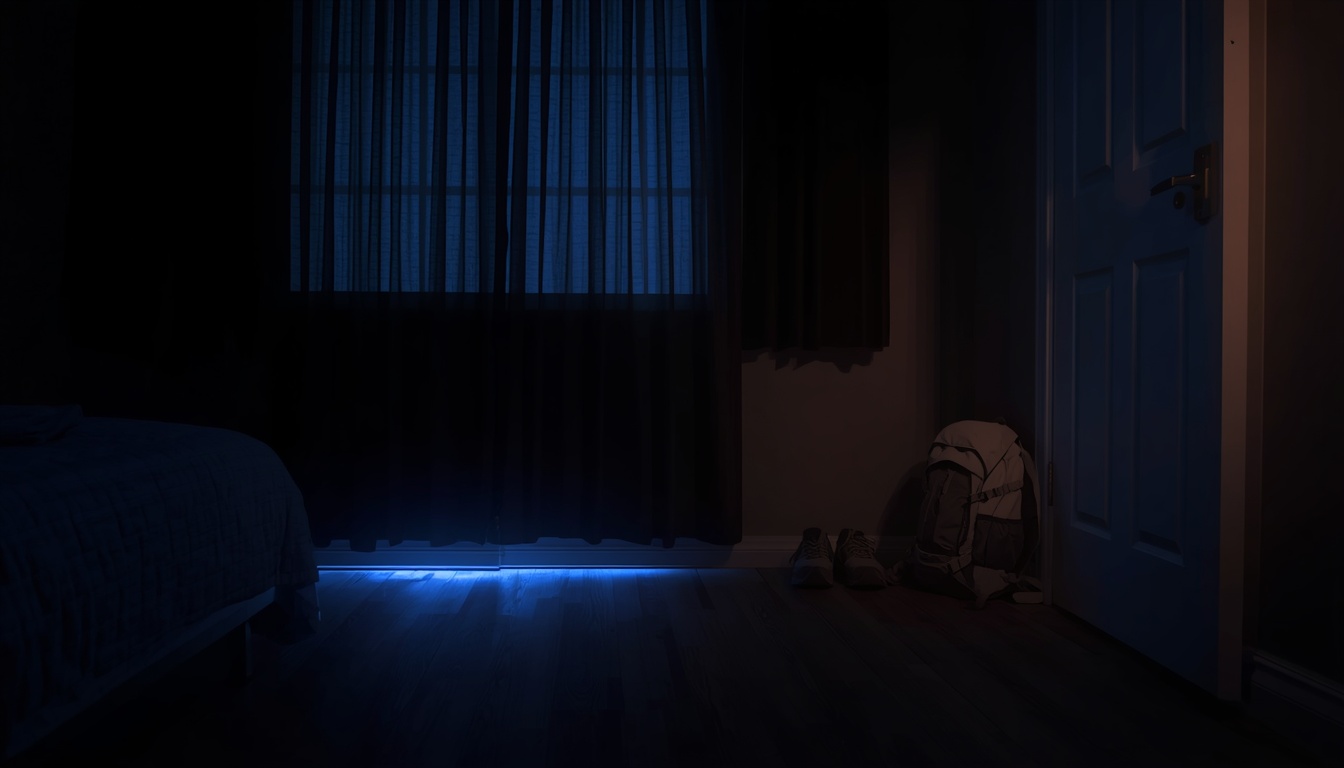
Sleeping hot. A bedroom that never drops at night removes the longest daily cool window many adults still have. The tissue does not need a cave. It needs a gradient.
Always-on heated seats and electric blankets. Local warmth on the back and thighs is comfortable. It also removes a large skin surface from the cool report the hypothalamus uses.
Very low protein or crash restriction in someone already cold. Brown fat needs substrate and a working thyroid axis. Severe restriction can make people feel colder without recruiting a healthy thermogenic response. The thyroid seasonal piece of that biology is covered in why your thyroid still expects iodine and winter.
Beta-blockers and some other drugs. Not everyone on these medicines will notice a change. Because the on-switch is sympathetic, people who already feel cold may notice more.
Assuming “I just have a slow metabolism.” Resting metabolic rate varies. Brown fat is one small slice of that variance, not the whole pie. Blaming every winter kilo on silent brown fat is as misleading as pretending the tissue does not exist.
Myths vs Facts
Myth: Adults do not have brown fat. Fact: Imaging after mild cold shows active depots in a large minority to a majority of younger and leaner adults, and in some older and heavier adults too. Prevalence falls with age and adiposity. Absence on one warm-day scan is not proof the tissue is gone.
Myth: Turning the thermostat down will melt body fat by itself. Fact: The extra burn is real and usually modest. Appetite can rise to match. Cold is a cue and a small energy cost, not a hidden workout that replaces food quality or movement.
Myth: Ice baths are required. Fact: Most human recruitment studies used 16–19 °C air, a cool room, or a cooling vest — uncomfortable enough to raise sympathetic tone, not a plunge. Repeated mild cool beats rare heroic cold for this tissue.
Myth: Shivering means the program failed. Fact: Shivering is the backup. Non-shivering thermogenesis is the quieter first line. People who only ever meet cold as a shock go straight to the backup.
Myth: Brown fat is only a weight-loss story. Fact: The first job is thermal. Glucose and lipid uptake are side effects of that job. Some clinical groups are studying whether recruiting the tissue helps insulin handling. That is early, not a supplement aisle.
How to Give the Tissue a Fair Cue
You do not need to be cold all day. You need repeated, tolerable cool that the skin can report.
Let the bedroom drop a little at night if you sleep under an adequate blanket. Many people do well in the high teens °C with covers, not a 22 °C sealed box.
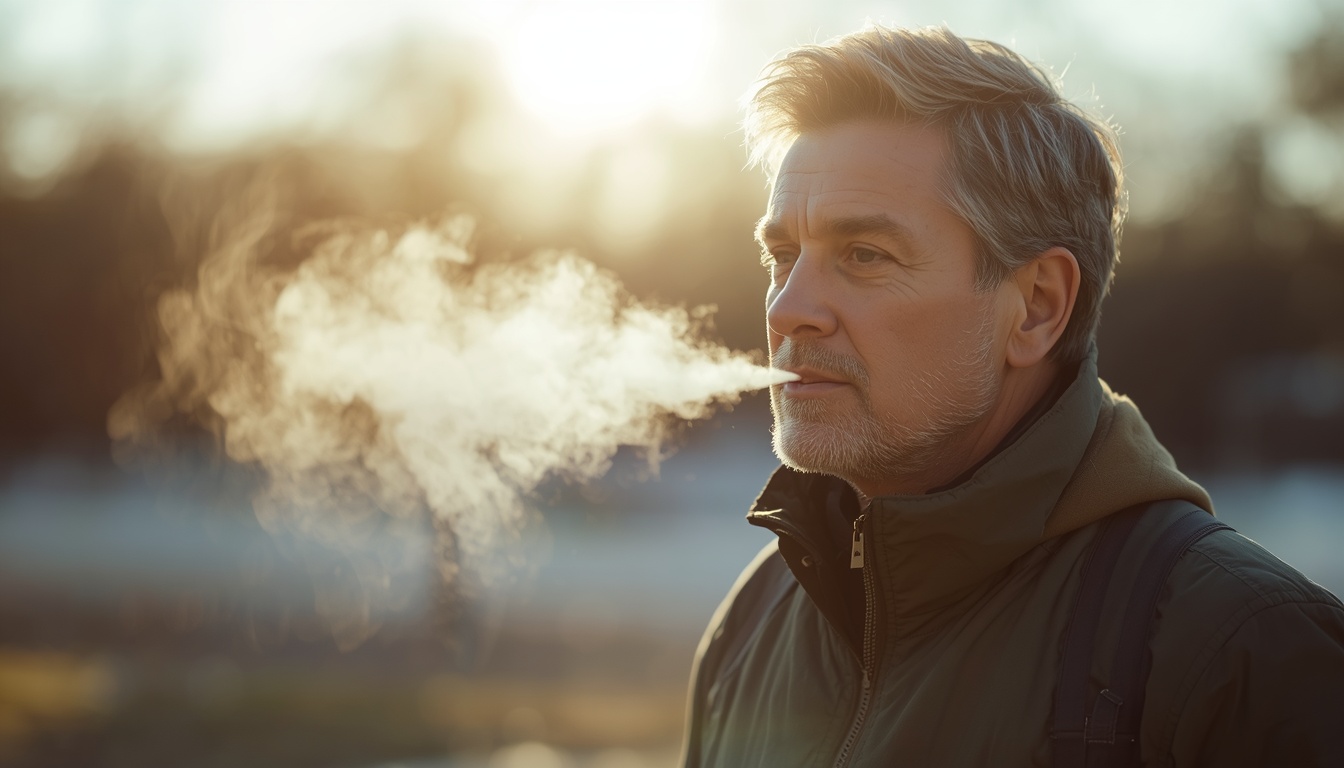
Take the first ten to twenty minutes of a cool morning outdoors or near an open window before the heated commute. Hands in pockets is fine. Face and airway still report cool.
Use indoor layers you can remove instead of a building that never changes. The goal is contrast across the day, not suffering.
If you want a structured stimulus, short bouts of mild cool air or a lukewarm-to-cool end of a shower are closer to the research than a weekly ice bath. Stop if you shiver hard, get chest pain, or have a condition that makes cold risky — Raynaud’s, unstable heart disease, and some neuropathies are reasons to stay gentle and ask a clinician.
Eat enough protein and do not treat cold as a substitute for walking after meals or for sleep. Brown fat is one organ in a morning briefing that also includes light, cortisol timing, and movement.
When to See a Doctor
See a clinician if you feel cold in rooms others find warm and also have fatigue, hair thinning, constipation, or a rising TSH — those are thyroid questions, not brown-fat questions. See someone promptly for chest pain, confusion, or uncontrolled shivering in the cold. New one-sided white fingers with pain deserve a Raynaud evaluation. Unexplained weight loss with heat intolerance is the opposite problem and also needs a workup.
Brown fat research is not a reason to skip standard care for diabetes, lipids, or blood pressure. It is a reason to stop treating every draft as an enemy.
FAQs
Does everyone have the same amount of brown fat? No. Detectable activity is generally higher in younger, leaner people and in winter. Women and men both have it. Some adults show little on a single scan. That can mean less tissue, a warm test day, or both.
Will a cold bedroom help me lose weight? It may raise overnight expenditure a little and improve comfort with cool. Appetite and sleep quality can move in either direction. Use it as a cue, not a diet.
Is brown fat the same as the fat on my waist? No. Visceral and subcutaneous white fat store energy. Brown fat spends energy as heat. Beige remodeling can blur the line inside some white depots after repeated cold.
Are “brown fat activator” supplements worth it? Most over-the-counter claims outrun the human evidence. Capsaicin and some catechins have small mixed data. Cool air and daily movement are the cues the tissue evolved to read.
Can I damage brown fat by staying warm? You do not destroy it by heating a house. You under-use it. Activity is plastic over weeks. A warm decade plus age and weight can make recruitment harder. It is not a moral failure.
Is shivering brown fat working? Shivering is skeletal muscle. Brown fat is the quieter mitochondrial leak. Both can happen on the same cold morning. The tissue’s distinctive job is the part you do not see.
Conclusion
Brown fat is not a fad organ and not only a newborn trick. It is a sympathetic, UCP1-driven heat engine that adult humans still carry in the neck and chest, still recruit in winter, and still run when the skin reports a cold morning. Climate control removed the report without removing the tissue. The practical answer is not to freeze. It is to let dawn be a few degrees cooler than the office, to use layers instead of a flat indoor summer, and to remember that a body built for seasonal mornings still tries to make heat before it makes excuses.