
Learn everything about Vitamin D deficiency, including symptoms, causes, health risks, diagnosis, treatment, food sources, sunlight exposure, and prevention strategies.
Vitamin D is often called the "sunshine vitamin," but its importance goes far beyond helping us enjoy sunny days. This essential nutrient plays a critical role in maintaining strong bones, supporting immune function, regulating mood, promoting muscle strength, and influencing many other biological processes throughout the body.
Despite its importance, Vitamin D deficiency has become one of the most common nutritional deficiencies worldwide. Millions of people have insufficient Vitamin D levels without realizing it. The symptoms can be subtle at first, often mistaken for stress, aging, lack of sleep, or other health conditions.
If you've been experiencing unexplained fatigue, muscle weakness, frequent illnesses, bone pain, low mood, or general lack of energy, Vitamin D deficiency may be contributing to the problem.
In this comprehensive guide, we'll explore what Vitamin D does, the symptoms of deficiency, common causes, health consequences, diagnosis, treatment options, and practical ways to maintain healthy Vitamin D levels throughout life.
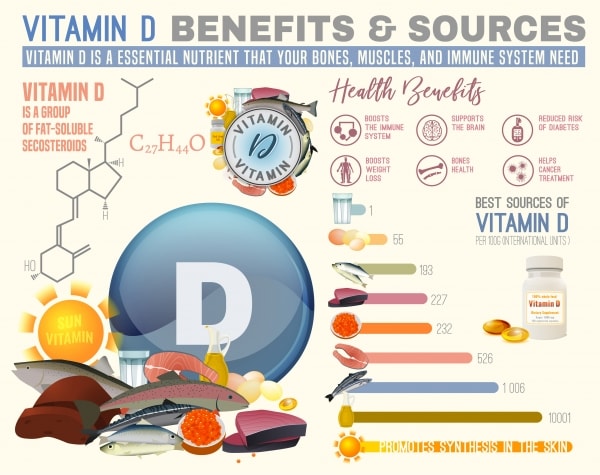
What Is Vitamin D?
Vitamin D is a fat-soluble vitamin that acts more like a hormone than a traditional vitamin. Unlike most nutrients, your body can manufacture Vitamin D when your skin is exposed to ultraviolet B (UVB) rays from sunlight.
There are two major forms:
- Vitamin D2 (Ergocalciferol) – Found in some plants and fortified foods.
- Vitamin D3 (Cholecalciferol) – Produced in the skin and found in animal-based foods.
After entering the body, Vitamin D undergoes two activation steps:
- Conversion in the liver to 25-hydroxyvitamin D.
- Conversion in the kidneys to active Vitamin D (calcitriol).
The active form helps regulate calcium and phosphorus levels, ensuring proper bone mineralization and supporting numerous physiological functions.
Why Is Vitamin D Important?
Vitamin D receptors are found in nearly every tissue of the body. This widespread presence explains why deficiency can affect multiple organ systems.
Vitamin D helps:
- Maintain strong bones and teeth
- Support immune system function
- Promote muscle strength
- Assist nerve communication
- Regulate inflammation
- Support cardiovascular health
- Contribute to brain function and mood regulation
- Help maintain normal cell growth
Without adequate Vitamin D, many of these functions begin to deteriorate.
How Common Is Vitamin D Deficiency?
Vitamin D deficiency is surprisingly widespread across both developing and developed nations.
Several factors contribute to this growing problem:
- Indoor lifestyles
- Office-based work
- Increased screen time
- Urban living
- Air pollution
- Sunscreen use
- Dietary limitations
Even in countries with abundant sunshine, deficiency remains common because many people spend most of their day indoors.
Symptoms of Vitamin D Deficiency
Vitamin D deficiency often develops gradually. Symptoms may be mild initially and worsen over time.
1. Persistent Fatigue
One of the most frequently reported symptoms is chronic tiredness. People often describe feeling exhausted despite adequate sleep.
This fatigue can affect:
- Work performance
- Physical activity
- Concentration
- Daily motivation
2. Bone Pain
Vitamin D helps the body absorb calcium. Low levels can lead to weakened bone mineralization, resulting in:
- Lower back pain
- Hip discomfort
- Leg pain
- General skeletal aches
3. Muscle Weakness
Many people experience:
- Difficulty climbing stairs
- Reduced exercise capacity
- Frequent muscle fatigue
- Poor balance
In older adults, this can significantly increase fall risk.
4. Frequent Infections
Vitamin D plays an important role in immune defense.
Deficiency may contribute to:
- Frequent colds
- Respiratory infections
- Longer recovery times
- Recurring illnesses
5. Depression and Low Mood
Research suggests Vitamin D influences neurotransmitter activity and brain function.
Low levels may be associated with:
- Depressed mood
- Lack of motivation
- Seasonal affective symptoms
- Increased irritability
6. Hair Loss
Severe or prolonged deficiency may contribute to certain types of hair loss, particularly when combined with other nutritional deficiencies.
7. Slow Wound Healing
Vitamin D supports immune responses and tissue repair. Deficiency may delay healing after injuries or surgery.
8. Increased Bone Fractures
Over time, weakened bones become more susceptible to fractures even after relatively minor injuries.
Signs of Severe Vitamin D Deficiency
When deficiency becomes significant, more serious symptoms may develop:
- Severe muscle weakness
- Difficulty walking
- Bone deformities
- Repeated fractures
- Persistent pain
- Marked fatigue
Children may develop growth abnormalities and skeletal deformities.
What Causes Vitamin D Deficiency?
1. Inadequate Sun Exposure
The most common cause is insufficient exposure to sunlight.
Factors include:
- Working indoors
- Living in apartments
- Limited outdoor activity
- Covering most of the skin
- Long winters
2. Darker Skin Tone
Melanin reduces the skin's ability to produce Vitamin D from sunlight.
Individuals with darker skin often require longer sun exposure to generate equivalent amounts of Vitamin D.
3. Aging
As people age, the skin becomes less efficient at producing Vitamin D.
Older adults also tend to spend less time outdoors.
4. Obesity
Vitamin D can become trapped within body fat tissues, reducing its availability in circulation.
This makes deficiency more common among individuals with obesity.
5. Poor Dietary Intake
Few foods naturally contain significant amounts of Vitamin D.
People consuming limited amounts of Vitamin D-rich foods may struggle to maintain adequate levels.
6. Digestive Disorders
Certain gastrointestinal conditions can impair absorption.
Examples include:
- Celiac disease
- Crohn's disease
- Ulcerative colitis
- Pancreatic disorders
- Gastric bypass surgery
7. Kidney Disease
The kidneys activate Vitamin D into its usable form.
Kidney dysfunction can reduce this conversion process.
8. Liver Disease
The liver performs the first activation step. Liver disease may therefore contribute to deficiency.
9. Certain Medications
Some medications interfere with Vitamin D metabolism, including:
- Anticonvulsants
- Glucocorticoids
- Some HIV medications
- Certain weight-loss drugs
Health Consequences of Vitamin D Deficiency
Osteomalacia
Adults may develop osteomalacia, a condition involving soft and weakened bones.
Symptoms include:
- Bone pain
- Muscle weakness
- Difficulty walking
Osteoporosis
Long-term deficiency contributes to bone density loss and increased fracture risk.
Rickets in Children
Children with severe deficiency may develop rickets.
This condition causes:
- Soft bones
- Bowed legs
- Delayed growth
- Dental problems
Increased Fall Risk
Muscle weakness and poor balance increase the likelihood of falls, especially in older adults.
Immune Dysfunction
Research suggests inadequate Vitamin D levels may affect immune regulation and susceptibility to certain infections.
How Is Vitamin D Deficiency Diagnosed?
The standard test measures blood levels of 25-hydroxyvitamin D.
General interpretations include:
- Deficient: Less than 20 ng/mL (50 nmol/L)
- Insufficient: 20–29 ng/mL
- Sufficient: 30 ng/mL or higher
Healthcare providers may also evaluate calcium, phosphorus, kidney function, and parathyroid hormone levels.
Best Sources of Vitamin D
Sunlight
Sunlight remains the most natural source.
Depending on skin tone, location, season, and weather, exposure of arms and legs for approximately 10–30 minutes several times per week may help maintain healthy levels.
However, excessive sun exposure should be avoided because of skin cancer risk.
Food Sources
Natural food sources include:
- Fatty fish
- Salmon
- Sardines
- Mackerel
- Tuna
- Egg yolks
- Beef liver
Fortified foods may include:
- Milk
- Plant-based beverages
- Breakfast cereals
- Yogurt
- Orange juice
Vitamin D Supplements
When deficiency is confirmed, supplementation is often necessary.
Two forms are commonly available:
- Vitamin D2
- Vitamin D3
Vitamin D3 generally raises blood levels more effectively and maintains them longer.
The appropriate dose depends on:
- Current blood levels
- Age
- Body weight
- Medical conditions
- Physician recommendations
People with severe deficiency may require higher therapeutic doses initially, followed by maintenance supplementation.
Can You Take Too Much Vitamin D?
Yes. Although deficiency is common, excessive supplementation can be harmful.
Vitamin D toxicity may cause:
- Nausea
- Vomiting
- Constipation
- Kidney stones
- Confusion
- Abnormal heart rhythms
The problem usually results from excessive supplements rather than sunlight exposure.
Who Is Most at Risk?
- Older adults
- People with darker skin
- Individuals with obesity
- People with digestive disorders
- Those who rarely go outdoors
- Residents of northern regions
- Breastfed infants without supplementation
- People with chronic kidney or liver disease
Practical Strategies to Improve Vitamin D Levels
Spend More Time Outdoors
Regular outdoor activity provides sunlight exposure while improving overall health.
Eat Vitamin D-Rich Foods
Include fatty fish, eggs, and fortified foods in your diet.
Maintain a Healthy Weight
Weight management may improve Vitamin D availability in the body.
Exercise Regularly
Physical activity strengthens bones and muscles while supporting overall health.
Get Tested If Necessary
Individuals with symptoms or risk factors should discuss testing with their healthcare provider.
Use Supplements Appropriately
Supplements can be highly effective when used under professional guidance.
When Should You See a Doctor?
Seek medical evaluation if you experience:
- Persistent fatigue
- Bone pain
- Muscle weakness
- Frequent infections
- Repeated fractures
- Difficulty walking
- Unexplained mood changes
A simple blood test can often determine whether Vitamin D deficiency is contributing to your symptoms.
Common Myths About Vitamin D Deficiency
Myth: Living in a Sunny Country Prevents Deficiency
Reality: Many people in sunny regions still spend most of their time indoors and develop deficiency.
Myth: Diet Alone Provides Enough Vitamin D
Reality: Few foods naturally contain substantial amounts.
Myth: More Vitamin D Is Always Better
Reality: Excessive supplementation can cause toxicity.
Myth: Only Older Adults Need Vitamin D
Reality: Deficiency can occur at any age, including children and young adults.
The Bottom Line
Vitamin D is one of the most important nutrients for overall health. It supports strong bones, healthy muscles, immune defenses, and numerous biological functions throughout the body. Unfortunately, deficiency is extremely common and often goes unnoticed because its symptoms can be vague and gradual.
Persistent fatigue, bone pain, muscle weakness, frequent infections, low mood, and poor physical performance may all be signs of inadequate Vitamin D levels. Common causes include insufficient sunlight exposure, aging, obesity, digestive disorders, and inadequate dietary intake.
The good news is that Vitamin D deficiency is usually easy to identify through a blood test and can often be corrected through a combination of safe sun exposure, dietary improvements, and supplementation when necessary.
Maintaining healthy Vitamin D levels is a simple yet powerful step toward protecting your bones, strengthening your immune system, improving physical performance, and supporting long-term health.