
Discover how ultra-processed foods affect brain reward circuits, cravings, appetite, and behavior, plus treatment options and what neuroscience reveals.
Have you ever opened a bag of chips intending to eat just a handful, only to find yourself reaching the bottom before realizing what happened? Or perhaps you've finished a sugary snack, felt briefly satisfied, and then found yourself craving more food just an hour later. Many people experience these patterns regularly. They may blame a lack of willpower, stress, or bad habits. However, emerging neuroscience suggests there may be something deeper happening inside the brain.
Researchers are increasingly studying how ultra-processed foods influence the brain's reward systems, appetite regulation, decision-making processes, and even emotional responses. While food has always affected human behavior, modern ultra-processed foods appear uniquely designed to stimulate biological pathways that evolved under very different circumstances.
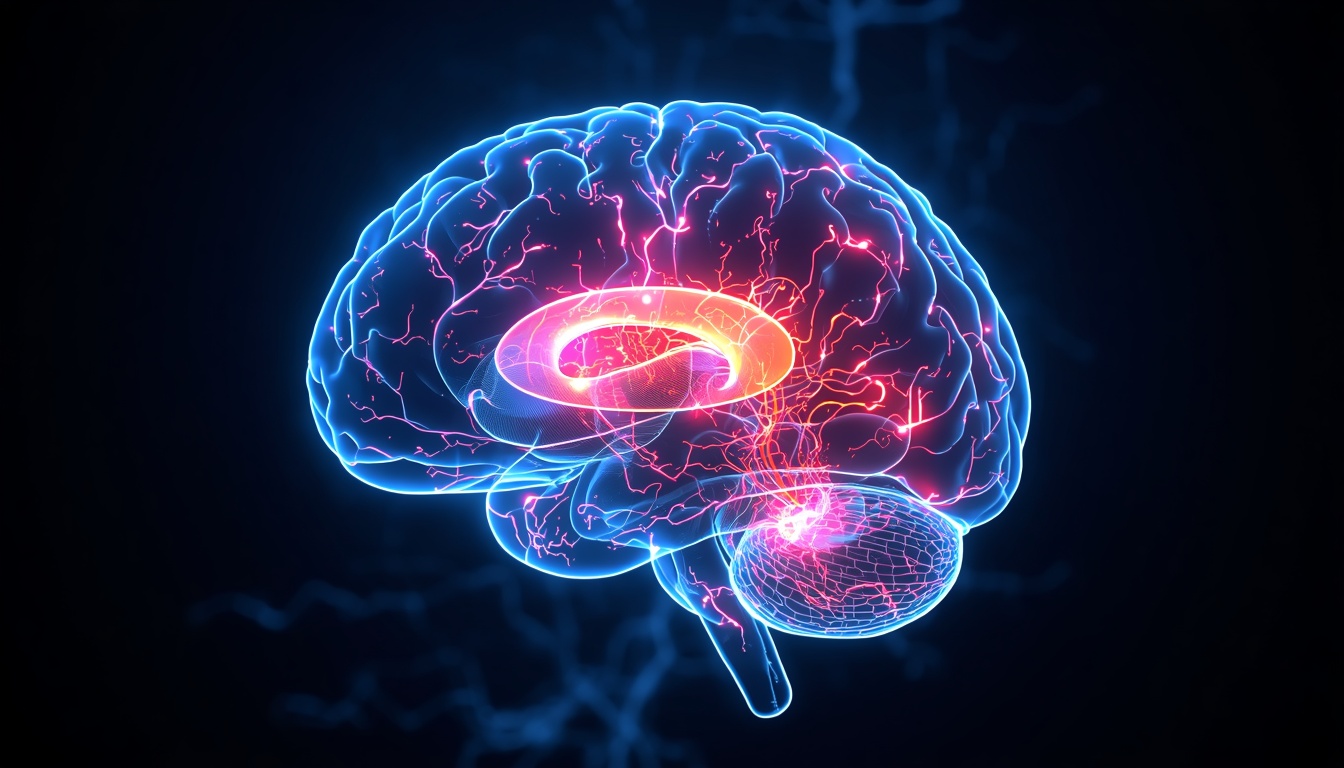
The question many scientists are now exploring is not simply whether ultra-processed foods contribute to obesity or chronic disease, but whether they may actually alter the way our brains respond to food, pleasure, hunger, and self-control.
Let's examine what neuroscience is discovering, what symptoms people may notice, what these symptoms could mean, and what practical steps may help restore healthier eating patterns.
Understanding the Symptom: Why Do Some Foods Feel Impossible to Resist?
One of the most commonly reported symptoms associated with ultra-processed food consumption is a persistent feeling of craving. Unlike normal hunger, cravings often appear suddenly and target specific foods such as:
- Potato chips
- Cookies
- Candy
- Sugary drinks
- Fast food
- Packaged snack foods
- Sweetened breakfast cereals
Many people describe feeling as though they are drawn toward these foods even when they are not physically hungry.
Other symptoms commonly reported include:
- Frequent snacking throughout the day
- Difficulty feeling satisfied after meals
- Strong emotional attachment to certain foods
- Loss of control while eating
- Repeated overeating episodes
- Brain fog after meals
- Energy crashes
- Mood fluctuations
- Reduced concentration
While occasional cravings are completely normal, persistent and intense cravings may indicate that the brain's reward and appetite systems are being influenced by multiple factors, including diet.
What This Symptom Could Mean
Experiencing strong cravings or difficulty controlling food intake does not automatically mean someone has an eating disorder or lacks discipline.
These symptoms may reflect:
- Disrupted hunger and fullness signals
- Blood sugar fluctuations
- Chronic stress
- Sleep deprivation
- Nutritional deficiencies
- Emotional eating patterns
- Hormonal imbalances
- Changes in brain reward circuitry
- Habitual exposure to highly rewarding foods
Understanding the underlying cause is important because similar symptoms can arise from very different biological processes.
What Exactly Are Ultra-Processed Foods?
Ultra-processed foods are industrially manufactured products that typically contain ingredients not commonly found in home kitchens.
These foods often include combinations of:
- Refined sugars
- Refined starches
- Industrial oils
- Artificial flavorings
- Colorings
- Emulsifiers
- Preservatives
- Texture enhancers
- Sweeteners
Examples include:
- Soft drinks
- Packaged cookies
- Candy bars
- Instant noodles
- Fast-food meals
- Processed meats
- Packaged pastries
- Many frozen ready-to-eat meals
Not all processed foods are harmful. Freezing vegetables, pasteurizing milk, or grinding whole grains are forms of processing. The concern specifically involves ultra-processing that creates products engineered for maximum convenience, shelf life, and palatability.
Common Causes of Food Cravings and Overeating
1. Sleep Deprivation
Poor sleep changes hormones involved in hunger regulation. Sleep loss tends to increase hunger signals while reducing feelings of fullness.
As a result, highly rewarding foods become significantly more appealing.
2. Chronic Stress
Stress activates the body's cortisol response. Elevated cortisol levels can increase appetite and encourage consumption of calorie-dense foods.
Many people unconsciously seek comfort foods during stressful periods because these foods temporarily activate reward pathways.
3. Emotional Eating
Food often becomes associated with comfort, celebration, or stress relief.
Over time, the brain learns to connect certain foods with emotional regulation, creating powerful habits.
4. Blood Sugar Swings
Meals high in refined carbohydrates may cause rapid increases in blood sugar followed by sharp declines.
These fluctuations can trigger hunger, fatigue, and cravings.
5. Habit Formation
Repeated behaviors strengthen neural pathways.
Eating ice cream every night or consuming chips during television viewing can eventually become automatic behaviors that occur with minimal conscious decision-making.
Uncommon Causes That May Mimic Food Addiction Symptoms
Not all excessive cravings originate from ultra-processed food exposure.
Less common causes include:
- Depression
- Anxiety disorders
- Binge eating disorder
- Attention deficit hyperactivity disorder (ADHD)
- Thyroid disorders
- Polycystic ovary syndrome (PCOS)
- Certain medications
- Nutritional deficiencies
- Rare neurological conditions
These conditions may alter appetite, reward processing, or impulse control.
The Neuroscience of Food Reward
To understand why ultra-processed foods may influence behavior, we must first understand the brain's reward system.
The human brain evolved in environments where calorie-rich foods were relatively scarce. Finding energy-dense food improved survival.
As a result, the brain developed reward pathways that reinforce behaviors important for survival.
One of the most important neurotransmitters involved is dopamine.
Dopamine Is Not Simply the "Pleasure Chemical"
Dopamine is often described as the brain's pleasure molecule, but its role is more complex.
Dopamine helps regulate:
- Motivation
- Learning
- Reward prediction
- Attention
- Decision-making
- Behavior reinforcement
When something rewarding occurs, dopamine signaling helps the brain remember and repeat that behavior.
How Ultra-Processed Foods Affect Dopamine Pathways
Many ultra-processed foods deliver combinations of sugar, fat, salt, texture, and flavor intensity rarely encountered in natural foods.
This combination may generate unusually strong reward signals.
Neuroscientists have observed that highly palatable foods can activate reward circuits involving:
- The nucleus accumbens
- The ventral tegmental area
- The prefrontal cortex
- The amygdala
- The hypothalamus
Repeated overstimulation of these pathways may contribute to changes in how the brain responds to food cues.
Researchers are still investigating the extent of these effects in humans, but evidence suggests that frequent exposure to highly rewarding foods can alter food preferences and eating behaviors over time.
Are Ultra-Processed Foods Actually Rewiring the Brain?
The term "rewiring" refers to neuroplasticity—the brain's ability to change its structure and function based on experiences.
Neuroplasticity is a normal process that occurs throughout life.
When behaviors are repeated consistently, neural pathways become stronger and more efficient.
In the context of food, repeated consumption of ultra-processed foods may:
- Increase sensitivity to food cues
- Strengthen craving-related pathways
- Reduce responsiveness to natural foods
- Influence impulse control systems
- Modify reward expectations
This does not mean permanent brain damage is occurring. Rather, it suggests the brain adapts to repeated dietary experiences.
The Role of the Prefrontal Cortex
The prefrontal cortex helps regulate:
- Self-control
- Decision-making
- Planning
- Impulse management
Some studies suggest that frequent exposure to highly rewarding foods may create tension between reward-seeking brain regions and the prefrontal cortex.
When cravings become intense, rational decision-making may temporarily become less influential.
This helps explain why intelligent and disciplined individuals sometimes struggle with overeating despite knowing the consequences.
The Gut-Brain Connection
Modern neuroscience increasingly recognizes that the gut and brain communicate continuously.
This communication occurs through:
- The vagus nerve
- Hormonal signals
- Immune pathways
- Gut microbiota
Ultra-processed foods may affect gut bacteria composition, potentially influencing mood, appetite regulation, and inflammation.
Researchers continue exploring how changes in gut microbiota affect food cravings and eating behavior.
Inflammation and Brain Function
Many ultra-processed foods contain ingredients that may contribute to chronic low-grade inflammation when consumed excessively.
Persistent inflammation has been associated with:
- Depression
- Fatigue
- Cognitive decline
- Mood disturbances
- Metabolic dysfunction
Although the relationship is complex, researchers believe inflammation may influence brain signaling pathways involved in appetite and reward.
When It's Harmless vs Serious
Usually Harmless
- Occasional cravings
- Eating treats in moderation
- Temporary overeating during holidays
- Stress-related cravings that resolve quickly
- Mild preference for sweet or salty foods
Potentially Serious
- Daily loss of control over eating
- Rapid weight gain
- Frequent binge eating episodes
- Significant mood changes
- Persistent fatigue
- Development of diabetes or metabolic disease
- Severe emotional distress related to eating
Persistent symptoms deserve professional evaluation.
Treatment Options Explained
The encouraging news is that brain adaptations are not necessarily permanent.
Because the brain remains plastic throughout life, healthier habits can gradually reshape eating behaviors.
Lifestyle-Based Approaches
1. Prioritize Whole Foods
Replacing ultra-processed foods with minimally processed alternatives may help reduce reward-system overstimulation.
Examples include:
- Vegetables
- Fruits
- Legumes
- Whole grains
- Nuts
- Seeds
- Fish
- Eggs
- Lean proteins
2. Increase Protein Intake
Protein tends to promote satiety and may reduce cravings.
Higher-protein meals often help individuals feel fuller for longer periods.
3. Improve Sleep Quality
Consistent sleep supports healthier appetite regulation.
Many people notice fewer cravings after correcting chronic sleep deprivation.
4. Physical Activity
Regular exercise influences dopamine signaling, mood regulation, insulin sensitivity, and stress management.
Physical activity may reduce emotional eating tendencies.
5. Mindful Eating
Mindful eating involves paying attention to:
- Hunger signals
- Fullness cues
- Taste
- Eating speed
- Emotional triggers
This practice helps restore awareness that often becomes diminished during automatic eating behaviors.
Home Remedies and Practical Strategies
- Keeping tempting foods out of immediate reach
- Planning meals in advance
- Eating regular meals
- Drinking adequate water
- Reducing stress through relaxation techniques
- Maintaining consistent meal timing
- Using smaller serving containers
- Avoiding distracted eating
While simple, these strategies can significantly reduce impulsive food choices.
Medicines Doctors May Recommend
There is currently no medication specifically approved to reverse the brain effects of ultra-processed foods.
However, physicians may consider medications when obesity, binge eating disorder, diabetes, or related conditions are present.
GLP-1 Receptor Agonists
These medications influence appetite regulation pathways and may help reduce hunger and food cravings.
They are increasingly used in obesity management under medical supervision.
Medications for Binge Eating Disorder
Certain medications may be considered for individuals diagnosed with binge eating disorder.
These treatments aim to improve impulse control and reduce binge episodes.
Antidepressants
When depression or anxiety contributes to overeating, antidepressant medications may sometimes be considered.
Improving underlying mental health often improves eating behaviors as well.
Diabetes Medications
For individuals with insulin resistance or diabetes, medications that improve glucose control may indirectly reduce cravings and stabilize appetite.
Medication decisions should always be individualized and made by qualified healthcare professionals.
Natural vs Medical Treatment: What Works Better?
The answer depends on the individual situation.
| Approach | Advantages | Limitations |
|---|---|---|
| Dietary Changes | Addresses root causes | Requires consistency |
| Exercise | Improves mood and metabolism | Results take time |
| Sleep Improvement | Supports appetite regulation | May not be sufficient alone |
| Behavioral Therapy | Targets habits and triggers | Requires commitment |
| Medication | Can provide significant support | May cause side effects |
For most individuals, the strongest results come from combining lifestyle changes with appropriate medical care when necessary.
Myths vs Facts
Myth: Food cravings are purely a lack of willpower.
Fact: Cravings involve complex interactions between hormones, brain circuits, emotions, habits, and environmental cues.
Myth: All processed foods are harmful.
Fact: Many processed foods, such as frozen vegetables and plain yogurt, can be nutritious.
Myth: The brain cannot recover from unhealthy eating habits.
Fact: The brain remains adaptable throughout life and can develop healthier patterns.
Myth: Natural foods never trigger cravings.
Fact: Any enjoyable food can be craved, although ultra-processed foods tend to be especially rewarding.
Myth: Medication alone solves overeating.
Fact: Long-term success usually requires lifestyle and behavioral changes as well.
When to See a Doctor
Consider professional evaluation if you experience:
- Frequent binge eating episodes
- Rapid unexplained weight gain
- Persistent inability to control eating
- Symptoms of depression or anxiety
- Signs of diabetes
- Severe food-related distress
- Constant fatigue despite adequate sleep
- Health complications related to obesity
Early intervention can help prevent long-term health consequences.
The Future of Neuroscience and Ultra-Processed Foods
Research into ultra-processed foods and brain function is expanding rapidly.
Scientists are investigating:
- How food additives influence brain signaling
- The role of gut microbiota
- Genetic susceptibility to cravings
- Reward system adaptations
- Inflammation-related brain changes
- Potential therapies targeting appetite regulation
Future discoveries may reshape how society understands overeating, obesity, and food-related behaviors.
Conclusion
If you've ever wondered why certain foods seem almost impossible to resist, neuroscience is beginning to provide answers. Ultra-processed foods are not simply sources of calories; they interact with ancient brain systems that evolved to seek energy-rich foods in environments where food was scarce.
Modern food manufacturing has created products capable of stimulating reward pathways with unprecedented intensity. While scientists continue studying the extent of these effects, current evidence suggests that repeated exposure can influence cravings, eating habits, decision-making, and appetite regulation.
The good news is that the brain remains remarkably adaptable. Healthier dietary choices, better sleep, regular exercise, stress management, and appropriate medical care can all help restore balance. Rather than viewing cravings as personal failure, it may be more accurate to see them as biological signals shaped by a complex interaction between the brain, body, environment, and food supply.
Understanding these mechanisms empowers individuals to make informed choices, develop sustainable habits, and regain control over their relationship with food. As neuroscience continues to evolve, one thing is becoming increasingly clear: what we eat doesn't just affect our waistlines—it may influence the very circuits that guide our thoughts, decisions, and behaviors.