
Microplastics have been found in human blood and brain tissue. Learn what the latest research means, potential health risks, symptoms, and ways to reduce exposure.
Imagine pouring yourself a glass of water, grabbing a quick lunch packaged in plastic, and heading out the door. It feels like a normal day. Yet scientists are increasingly discovering something unexpected inside the human body: tiny fragments of plastic that may be traveling through our bloodstream and, in some cases, reaching organs that were once thought to be protected—including the brain.
Headlines about microplastics in human blood, lungs, placenta, heart tissue, and even brain tissue have understandably alarmed many people. Social media posts often make the situation sound catastrophic, while others dismiss it entirely. So what does the science actually say?
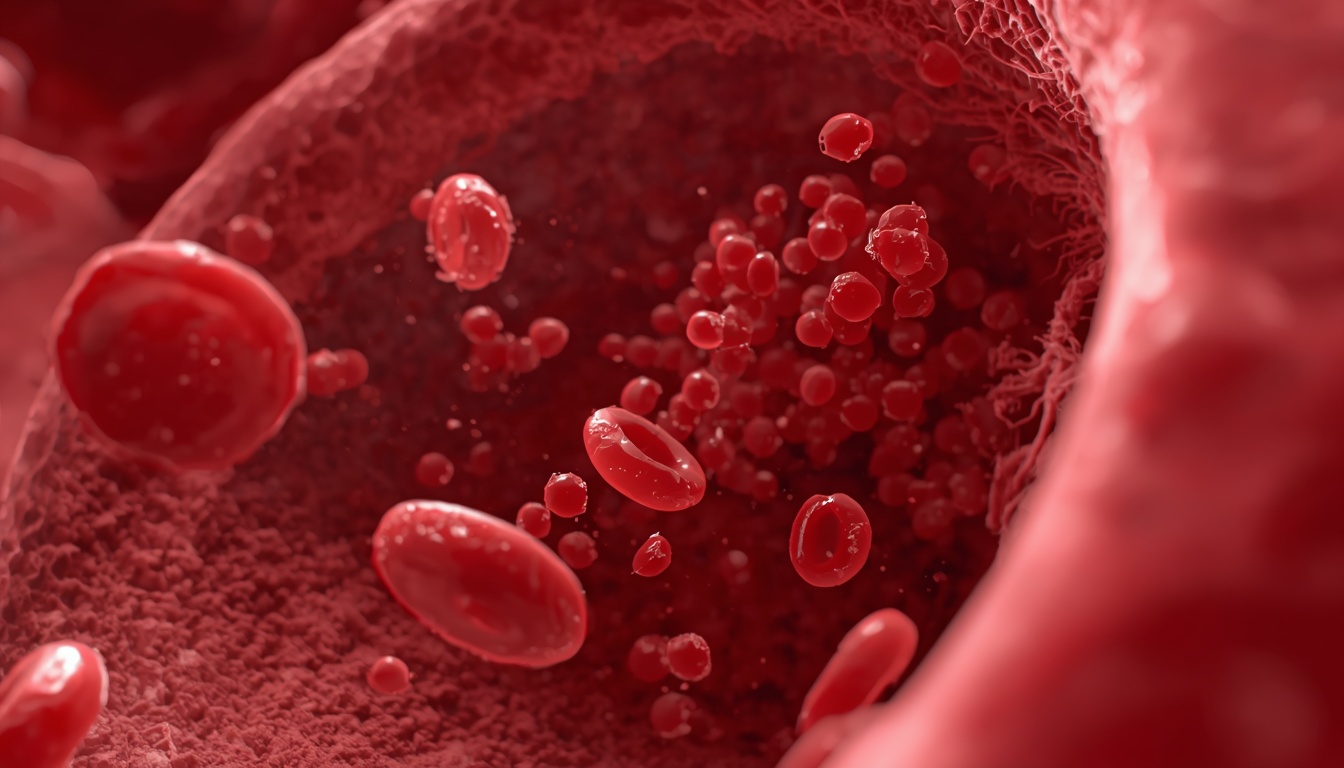
The truth lies somewhere in the middle. Microplastics have been detected in many parts of the human body, and researchers are actively investigating what this means for long-term health. However, finding microplastics in tissues does not automatically mean they are causing disease. Scientists are still working to understand how much exposure is harmful, which particles pose the greatest risks, and whether these particles contribute to specific medical conditions.
This article explores the latest findings, explains what microplastics are, discusses potential symptoms and health concerns, separates myths from facts, and helps you understand whether you should truly be worried.
What Are Microplastics?
Microplastics are extremely small plastic particles generally measuring less than 5 millimeters in size. Some are visible to the naked eye, while others are so tiny that they require specialized equipment to detect.
Scientists often divide them into two categories:
- Primary microplastics: Manufactured at a small size, such as microbeads previously used in some cosmetics.
- Secondary microplastics: Formed when larger plastic items break down due to sunlight, heat, friction, or environmental wear.
As plastic products degrade, they release smaller and smaller fragments. Eventually, some become tiny enough to enter food, water, air, and potentially the human body.
How Do Microplastics Enter Your Body?
Most people encounter microplastics every day without realizing it.
Common exposure sources include:
- Drinking water
- Bottled beverages
- Seafood
- Processed foods
- Plastic food packaging
- Indoor dust
- Synthetic clothing fibers
- Air pollution
- Household products containing plastic particles
You can be exposed through:
- Ingestion: Eating or drinking contaminated substances.
- Inhalation: Breathing airborne plastic particles.
- Potential absorption through tissues: Though research is ongoing.
Because plastics are now widespread in modern environments, avoiding exposure entirely is nearly impossible.
The Latest Findings: Microplastics in Blood and Brain Tissue
Recent scientific studies have detected microplastic particles in human blood samples, suggesting that some particles can cross barriers in the digestive system and enter circulation.
Researchers have also identified microplastics in several organs and tissues, including:
- Lungs
- Liver
- Heart tissue
- Placenta
- Blood vessels
- Brain tissue
The discovery of microplastics in the brain has generated significant concern because the brain is protected by the blood-brain barrier, a highly selective defense system that helps prevent harmful substances from entering nervous tissue.
Scientists are now investigating whether certain extremely small particles, particularly nanoplastics, may be capable of crossing this protective barrier under some circumstances.
While these findings are important, researchers emphasize that detection alone does not prove harm. The critical question remains: what are these particles doing once they are there?
What Symptoms Could Be Related to Microplastic Exposure?
This is where things become complicated.
At present, there is no specific symptom that doctors can confidently attribute solely to microplastics in the body.
Unlike an infection or vitamin deficiency, microplastic exposure does not create a clearly recognizable set of symptoms.
However, scientists are studying possible links between chronic exposure and health issues involving:
- Inflammation
- Oxidative stress
- Hormonal disruption
- Immune system changes
- Cardiovascular health
- Neurological function
Importantly, these associations are still being researched and do not prove cause-and-effect relationships.
What This Symptom Feels Like
Many people searching for information about microplastics are actually concerned about vague symptoms they already experience and wonder whether plastic exposure might be responsible.
Symptoms under investigation include:
- Persistent fatigue
- Brain fog
- Difficulty concentrating
- Headaches
- Poor sleep quality
- Digestive discomfort
- Increased inflammation
- General feelings of not being well
However, these symptoms are extremely common and can result from numerous causes, including stress, lack of sleep, nutritional deficiencies, chronic illness, infections, anxiety, or lifestyle factors.
At this stage, no doctor can diagnose "microplastic-related brain fog" or "microplastic fatigue" based on symptoms alone.
Why This Happens in Your Body
To understand why scientists are concerned, it helps to look at the biology.
The body is designed to handle many foreign substances. Specialized immune cells constantly identify, attack, and remove unwanted materials.
Microplastics present a unique challenge because they are:
- Extremely small
- Chemically diverse
- Persistent
- Often resistant to biological breakdown
When microplastics enter tissues, the immune system may recognize them as foreign particles.
This can potentially trigger:
- Localized inflammation
- Oxidative stress
- Cellular responses designed to isolate or remove particles
- Changes in immune signaling
Some plastics also contain additives such as plasticizers, stabilizers, flame retardants, and other chemicals. Researchers are investigating whether these substances might influence hormone systems or contribute to biological effects.
In the brain, scientists are particularly interested in whether tiny plastic particles could affect:
- Neural communication
- Inflammatory pathways
- Blood vessel function
- Long-term neurological health
Most evidence currently comes from laboratory studies and animal research. More human studies are needed before firm conclusions can be made.
Common Causes of Exposure (Lifestyle, Temporary, and Often Harmless)
Most exposure occurs through normal daily activities rather than unusual circumstances.
Drinking Bottled Water
Bottled water can contain microplastic particles originating from packaging, bottling processes, or environmental contamination.
Heating Food in Plastic Containers
Heat can increase the release of plastic particles and chemicals from certain containers.
Synthetic Clothing
Polyester, nylon, acrylic, and similar fabrics shed tiny fibers during wear and washing.
Indoor Dust
Homes contain microscopic particles from carpets, furniture, textiles, and household products.
Processed Foods
Food processing, packaging, and storage may contribute to exposure.
These exposures are common and do not automatically mean someone will develop health problems.
Hidden Triggers People Ignore
Some exposure sources receive less attention despite potentially contributing significantly.
Tea Bags Made with Plastic Components
Certain tea bags contain plastic materials that may release particles when exposed to hot water.
Food Delivery Packaging
Repeated use of disposable containers, especially with hot foods, may increase exposure.
Cutting Boards
Plastic cutting boards can generate microscopic fragments during repeated use.
Vehicle Interiors
Car upholstery, dashboards, and synthetic materials can contribute to airborne particles.
Household Air
Many people focus on water and food while overlooking inhalation as a potentially important exposure pathway.
Less Common but More Serious Health Concerns Being Investigated
Researchers are exploring whether long-term exposure could contribute to certain chronic diseases.
Areas under investigation include:
- Cardiovascular disease
- Blood vessel inflammation
- Metabolic disorders
- Hormonal disruption
- Reproductive health effects
- Neurodegenerative conditions
- Immune system dysfunction
It is important to emphasize that these are active research areas.
Scientists have identified associations and biological mechanisms that could be concerning, but definitive proof in humans remains limited.
This distinction matters because alarming headlines often present early findings as established facts when they are actually hypotheses under investigation.
Should You Be Worried About Microplastics in the Brain?
This is the question most people want answered.
A reasonable response is: you should be informed, but not panicked.
The presence of microplastics in brain tissue is scientifically significant because it demonstrates that particles can reach areas previously thought to be highly protected.
However:
- Scientists do not yet know what levels are dangerous.
- There is no proven threshold for harm.
- No specific brain disease has been conclusively linked to microplastics.
- Research is still evolving rapidly.
The findings deserve attention because they highlight a potentially important environmental health issue, not because they prove an immediate public health catastrophe.
When to Worry: Red Flags
Microplastic exposure itself does not currently have recognized warning signs.
However, certain symptoms should always be evaluated regardless of their cause.
Seek medical attention if you experience:
- Sudden confusion
- Persistent memory loss
- New neurological symptoms
- Severe headaches
- Unexplained weight loss
- Persistent fatigue that worsens over time
- Difficulty speaking
- Weakness on one side of the body
- Seizures
- Loss of coordination
These symptoms are unlikely to be explained simply by microplastic exposure and require proper medical evaluation.
What Scientists Still Don't Know
One of the most important aspects of this discussion is recognizing scientific uncertainty.
Researchers are still trying to answer key questions:
- How much exposure is too much?
- Which particle sizes are most dangerous?
- Do some plastic types pose greater risks?
- How long do particles remain in tissues?
- Can the body remove them effectively?
- Do nanoplastics behave differently than microplastics?
- Which populations are most vulnerable?
These unanswered questions explain why experts are cautious about making definitive claims.
Myths vs Facts
Myth: Finding microplastics in the brain means everyone is being poisoned.
Fact: Detection does not automatically equal toxicity. Researchers are still studying actual health effects.
Myth: You can completely eliminate microplastics from your life.
Fact: Exposure is widespread in modern environments and cannot realistically be reduced to zero.
Myth: Every headache or episode of brain fog is caused by microplastics.
Fact: Many common symptoms have numerous possible explanations.
Myth: Scientists know exactly how dangerous microplastics are.
Fact: The science is still developing, and many important questions remain unanswered.
Myth: Only people who drink bottled water are exposed.
Fact: Exposure occurs through food, air, dust, textiles, and numerous everyday products.
How to Manage or Reduce Exposure Naturally
Although complete avoidance is impossible, reasonable steps may help reduce overall exposure.
Choose Glass or Stainless Steel When Practical
Use alternatives to plastic containers whenever convenient, particularly for hot foods and beverages.
Avoid Heating Food in Plastic
Heat may increase the release of particles from certain materials.
Improve Indoor Air Quality
Regular cleaning and good ventilation can help reduce household dust.
Wash New Textiles
Clothing and fabrics often shed fibers during initial use.
Reduce Single-Use Plastic Consumption
Small changes over time may decrease cumulative exposure.
Eat a Balanced Diet
A diet rich in fruits, vegetables, whole grains, and other nutrient-dense foods supports the body's natural protective systems.
Stay Physically Active
Regular exercise supports cardiovascular, metabolic, and immune health.
These measures cannot eliminate microplastics, but they represent practical, evidence-informed approaches.
When to See a Doctor
You generally do not need to see a doctor simply because you read a report about microplastics.
However, medical evaluation is appropriate if you have:
- Persistent unexplained symptoms
- Significant neurological changes
- Ongoing digestive problems
- Chronic fatigue interfering with daily life
- New memory or concentration issues
- Symptoms that continue worsening
A healthcare professional can evaluate more common and better-established causes of these symptoms before considering environmental factors.
The Bigger Picture: Why Researchers Are Paying Attention
Environmental health issues often become important only after decades of research.
History has shown that substances once considered harmless can later prove problematic when long-term effects become apparent.
Scientists are studying microplastics now because:
- Human exposure is widespread.
- Plastic production continues to increase globally.
- Particles have been detected throughout the body.
- Laboratory studies suggest possible biological effects.
- Long-term consequences remain uncertain.
This does not mean disaster is inevitable. It means the scientific community is appropriately investigating a potential public health concern before stronger conclusions can be reached.
Conclusion
The discovery of microplastics in human blood and brain tissue represents one of the most fascinating and important environmental health findings of recent years. These studies demonstrate that tiny plastic particles can travel through the body in ways scientists are only beginning to understand.
At the same time, it is important not to confuse detection with proven harm. Current evidence suggests that microplastics deserve careful scientific attention, but many of the alarming claims circulating online go beyond what research can currently support.
The most balanced approach is to stay informed, reduce unnecessary exposure where practical, and focus on overall health rather than fear. The human body faces countless environmental challenges every day, and maintaining healthy lifestyle habits remains one of the most effective ways to support long-term well-being.
As research continues, scientists will gain a clearer understanding of whether microplastics represent a minor environmental nuisance, a significant public health issue, or something in between. For now, awareness is wise, panic is not, and the latest findings should inspire curiosity more than fear.