
Metformin vs GLP-1 diabetes drugs: compare safety, effectiveness, side effects, weight loss benefits, and long-term risks to understand which may be safer.
For millions of people living with type 2 diabetes, choosing the right medication can feel overwhelming. For decades, metformin has been considered the standard first-line treatment. But in recent years, a new class of drugs known as GLP-1 receptor agonists has gained enormous attention—not only for blood sugar control but also for weight loss and heart health benefits.
This has led to a common question: If newer GLP-1 drugs seem more effective, are they actually safer than metformin in the long run?
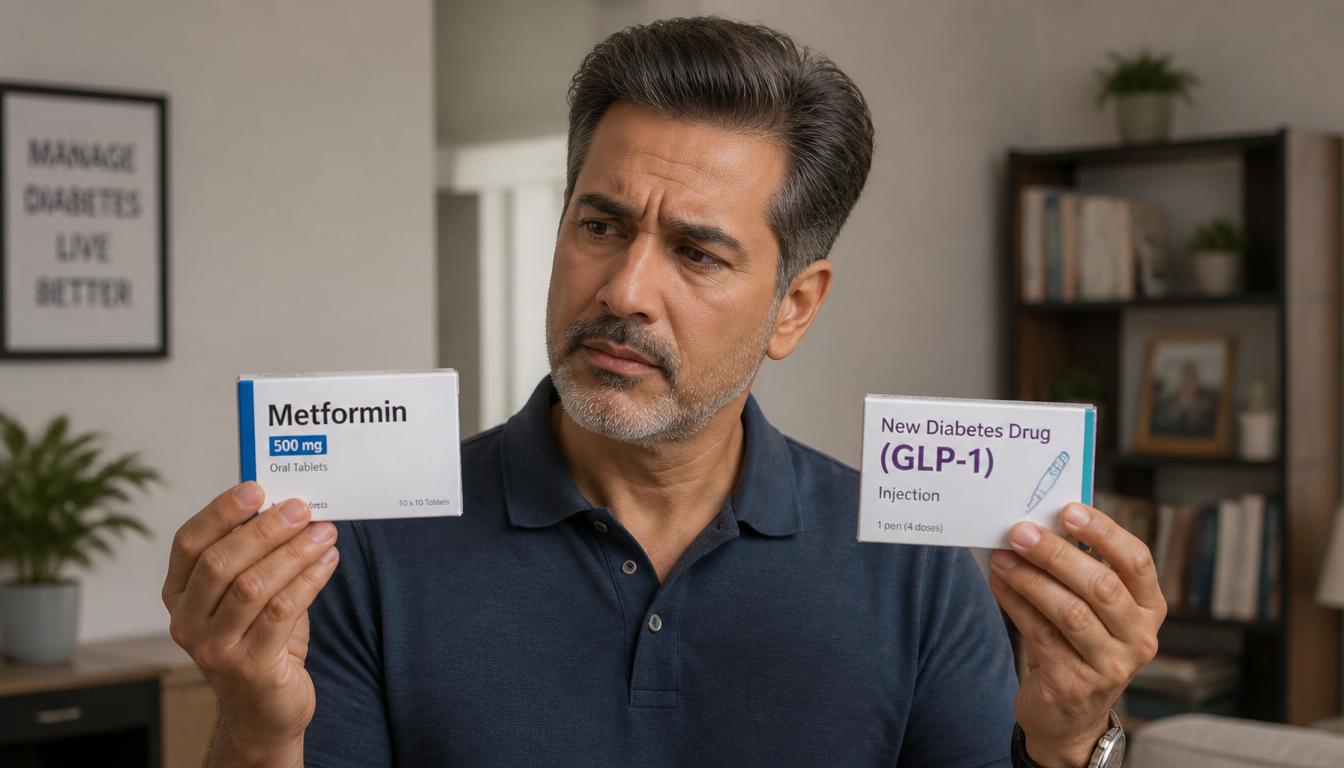
The answer is not as simple as declaring one medicine "better" than the other. Both metformin and GLP-1 receptor agonists have important benefits, unique risks, and specific situations where they may be preferred. Understanding how these medications work and what science currently knows about their long-term safety can help patients have more informed discussions with their healthcare providers.
In this article, we'll compare metformin and GLP-1 medications in detail, examining their mechanisms, effectiveness, side effects, safety concerns, and long-term risks.
Understanding Type 2 Diabetes
Type 2 diabetes develops when the body's cells become resistant to insulin or when the pancreas cannot produce enough insulin to keep blood sugar levels normal.
Over time, elevated blood sugar can damage blood vessels and nerves, increasing the risk of:
- Heart disease
- Stroke
- Kidney disease
- Vision loss
- Nerve damage
- Poor wound healing
The goal of diabetes treatment is not only to lower blood sugar but also to reduce the risk of these long-term complications.
What Is Metformin?
Metformin is one of the most widely prescribed diabetes medications in the world. It belongs to a class of drugs called biguanides.
Doctors have used metformin for several decades, making it one of the most extensively studied diabetes medications available.
What Is Metformin Used For?
- Type 2 diabetes management
- Prediabetes in selected individuals
- Polycystic ovary syndrome (PCOS)
- Insulin resistance-related conditions
Doctors may recommend metformin as the first medication after diagnosis of type 2 diabetes, particularly when lifestyle changes alone are insufficient.
How Metformin Works
Metformin does not directly increase insulin production.
Instead, it lowers blood sugar through several mechanisms:
- Reduces glucose production by the liver
- Improves insulin sensitivity
- Helps muscles use glucose more effectively
- Decreases absorption of glucose from the intestines
Think of metformin as helping the body use insulin more efficiently rather than forcing the pancreas to produce more insulin.
Benefits and Effectiveness of Metformin
Metformin remains popular because of its long record of effectiveness and safety.
Key Benefits
- Effectively lowers blood sugar levels
- Low risk of causing hypoglycemia when used alone
- May support modest weight loss or weight neutrality
- May reduce cardiovascular risks in some patients
- Affordable and widely available
- Extensive long-term safety data
Because metformin has been used for decades, researchers possess a vast amount of information regarding its long-term effects.
Common Side Effects of Metformin
Short-Term Side Effects
The most common side effects affect the digestive system.
- Nausea
- Diarrhea
- Abdominal discomfort
- Bloating
- Gas
- Metallic taste in the mouth
These symptoms often improve as the body adjusts to the medication.
Long-Term Side Effects
Most people tolerate metformin well for years. However, long-term use may be associated with:
- Vitamin B12 deficiency
- Possible anemia related to B12 deficiency
- Rare digestive issues
Healthcare providers may periodically monitor vitamin B12 levels in long-term users.
Important Safety Concerns with Metformin
Lactic Acidosis
Lactic acidosis is a rare but serious condition involving a buildup of lactic acid in the bloodstream.
Although frequently discussed, it remains extremely uncommon when metformin is used appropriately.
The risk may increase in people with:
- Severe kidney disease
- Advanced liver disease
- Severe heart failure
- Conditions causing low oxygen levels
What Are GLP-1 Receptor Agonists?
GLP-1 receptor agonists are a newer class of diabetes medications that mimic a natural hormone called glucagon-like peptide-1 (GLP-1).
Popular examples include:
- Semaglutide
- Liraglutide
- Dulaglutide
- Tirzepatide (which also acts on another hormone pathway)
These medications have attracted significant attention because they can improve blood sugar control while promoting substantial weight loss.
What Are GLP-1 Drugs Used For?
- Type 2 diabetes management
- Weight management in obesity
- Reduction of cardiovascular risk in selected patients
- Treatment of insulin resistance-related metabolic conditions
How GLP-1 Drugs Work
GLP-1 receptor agonists mimic hormones naturally released after eating.
They help regulate blood sugar through several actions:
- Stimulate insulin release when glucose levels rise
- Reduce glucagon production
- Slow stomach emptying
- Increase feelings of fullness
- Reduce appetite
This combination helps lower blood sugar while often leading to significant weight loss.
Benefits and Effectiveness of GLP-1 Drugs
Major Benefits
- Powerful blood sugar reduction
- Substantial weight loss in many patients
- Lower cardiovascular risk in selected individuals
- Potential kidney-protective benefits
- Improved metabolic health markers
- Low risk of hypoglycemia when used alone
Many recent studies suggest that certain GLP-1 medications can reduce major cardiovascular events in high-risk patients with type 2 diabetes.
Common Side Effects of GLP-1 Drugs
Short-Term Side Effects
Digestive symptoms are the most common adverse effects.
- Nausea
- Vomiting
- Diarrhea
- Constipation
- Abdominal pain
- Reduced appetite
These symptoms are often most noticeable when treatment begins or when doses are adjusted.
Long-Term Side Effects
Researchers continue monitoring long-term outcomes because these medications are newer than metformin.
Potential concerns include:
- Gallbladder disease
- Gallstones
- Pancreatitis
- Persistent digestive symptoms
- Possible nutritional deficiencies from reduced food intake
Most patients do not experience severe complications, but ongoing monitoring remains important.
Important Safety Concerns with GLP-1 Drugs
Pancreatitis
Some studies have explored a possible association between GLP-1 medications and inflammation of the pancreas.
While evidence remains mixed, healthcare providers generally use caution in patients with a history of pancreatitis.
Gallbladder Problems
Rapid weight loss may increase the risk of gallstones and gallbladder disease.
Gastrointestinal Complications
Because these drugs slow stomach emptying, some individuals may experience significant digestive symptoms.
Long-Term Unknowns
Unlike metformin, which has decades of safety data, GLP-1 medications have a shorter track record. Although current evidence is reassuring, researchers continue studying their effects over many decades.
Metformin vs GLP-1 Drugs: Mechanism Comparison
| Feature | Metformin | GLP-1 Drugs |
|---|---|---|
| Main Action | Improves insulin sensitivity | Mimics GLP-1 hormone |
| Reduces Liver Glucose Production | Yes | Indirectly |
| Increases Satiety | Minimal | Strongly |
| Promotes Weight Loss | Modest | Often significant |
| Cardiovascular Benefits | Some evidence | Strong evidence for selected drugs |
| Length of Safety Data | Several decades | Shorter but growing |
Metformin vs GLP-1 Drugs: Which Is More Effective?
The answer depends on the treatment goal.
For Blood Sugar Control
Both medications can effectively lower blood sugar, but many GLP-1 medications produce greater reductions in HbA1c levels.
For Weight Loss
GLP-1 drugs generally outperform metformin by a substantial margin.
For Long-Term Diabetes Management
Many treatment plans now use both medications together because their mechanisms complement one another.
Which Is Safer Long Term?
This question requires balancing known risks against known benefits.
Advantages of Metformin's Safety Profile
- More than 60 years of clinical experience
- Extensive safety research
- Low cost
- Generally predictable side effects
- Rare serious complications when used appropriately
Advantages of GLP-1 Safety Profile
- Strong cardiovascular outcome data
- Significant weight-loss benefits
- Improved metabolic health
- Low hypoglycemia risk
From a purely historical perspective, metformin has the strongest long-term safety record because it has been studied for decades.
However, current evidence suggests that many GLP-1 drugs are also relatively safe and may provide additional benefits for certain high-risk patients.
Who Should Avoid Metformin?
Doctors may avoid or carefully evaluate metformin use in people with:
- Advanced kidney disease
- Severe liver disease
- History of lactic acidosis
- Certain conditions involving poor oxygen delivery
Who Should Avoid GLP-1 Drugs?
Doctors may use caution or avoid these medications in individuals with:
- History of severe pancreatitis
- Certain digestive disorders
- Significant stomach-emptying problems
- Specific endocrine conditions requiring special evaluation
Suitability depends on an individual's overall medical history.
Medicine Interactions and Special Considerations
Metformin Interactions
- Some kidney-affecting medications
- Certain imaging procedures involving contrast agents
- Conditions causing dehydration
GLP-1 Drug Interactions
- Other diabetes medications that may increase hypoglycemia risk
- Medications affected by delayed stomach emptying
- Treatments requiring predictable absorption timing
Healthcare providers typically review all medications before initiating therapy.
Is It Safe for Regular Use?
For appropriately selected patients under medical supervision, both metformin and GLP-1 medications can be safe for regular long-term use.
Metformin has one of the longest and most reassuring safety records among diabetes medications.
GLP-1 receptor agonists have demonstrated strong safety data in clinical trials and real-world use, particularly regarding cardiovascular outcomes. However, because they are newer, researchers continue collecting information about effects that may emerge over many decades.
Doctors may recommend one medication, the other, or a combination depending on blood sugar control, weight management goals, cardiovascular risk, kidney function, and overall health status.
Common Mistakes People Make While Using These Medicines
- Stopping treatment without discussing it with a healthcare provider
- Assuming weight loss means diabetes has been cured
- Ignoring persistent digestive symptoms
- Skipping follow-up appointments
- Not reporting new medications or supplements
- Focusing only on medication while neglecting diet and physical activity
- Expecting immediate results
- Failing to monitor long-term health markers
- Using information from social media instead of medical professionals
The Future of Diabetes Treatment
The diabetes treatment landscape is changing rapidly. Newer GLP-1 medications and related therapies are showing promising benefits not only for diabetes but also for obesity, cardiovascular disease, and kidney protection.
At the same time, metformin remains a cornerstone of treatment because of its affordability, effectiveness, and exceptional long-term safety profile.
Rather than replacing metformin entirely, newer therapies are increasingly being used alongside it to provide broader metabolic benefits.
Conclusion
Metformin and GLP-1 receptor agonists represent two of the most important advances in type 2 diabetes management, but they serve somewhat different roles.
Metformin remains one of the safest and most extensively studied diabetes medications ever developed. Its decades-long safety record, affordability, and effectiveness make it a valuable first-line treatment for many patients.
GLP-1 medications offer powerful blood sugar control, meaningful weight loss, and significant cardiovascular benefits. Current evidence suggests they are generally safe, but they do not yet have the same length of long-term safety data as metformin.
For many individuals, the question is not whether metformin or GLP-1 drugs are universally better. Instead, the most appropriate choice depends on personal health goals, risk factors, existing medical conditions, and a healthcare provider's assessment.
As research continues, both medications are likely to remain important tools in helping people manage diabetes safely and effectively over the long term.