Learn how H5N1 bird flu affects humans, its symptoms, causes, pandemic potential, warning signs, myths, and practical ways to reduce risk
Imagine waking up to headlines about a virus spreading among birds, infecting dairy cattle, and occasionally jumping into humans. You remember how quickly COVID-19 transformed from a distant news story into a global crisis that changed daily life for billions. Naturally, a question arises: Could bird flu be the next pandemic?
It is a concern many people have, especially as reports of human infections continue to appear in different parts of the world. While health experts are watching the situation closely, understanding what bird flu actually is—and what it means for human health—can help separate legitimate concerns from unnecessary fear.
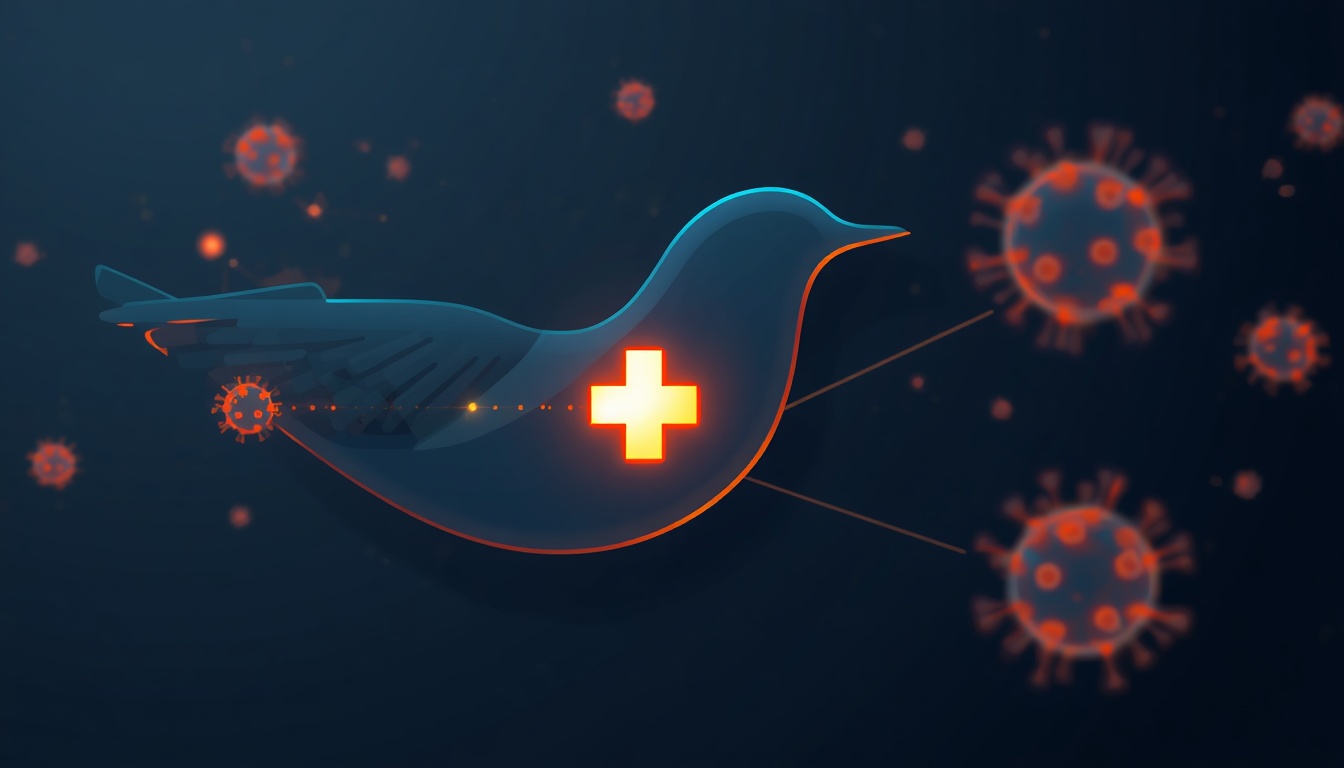
Bird flu, particularly the H5N1 strain, has been circulating in wild birds and poultry for decades. Most people will never encounter it directly, but when human infections occur, they attract attention because of the virus's potential severity and its ability to evolve over time.
This article explores what H5N1 bird flu feels like in humans, how infections occur, why scientists are monitoring it so carefully, what symptoms to watch for, and whether the next pandemic could already be taking shape.
What Is Bird Flu (H5N1)?
Bird flu, also known as avian influenza, is a viral infection primarily affecting birds. The H5N1 subtype is one of the most closely monitored strains because it can occasionally infect mammals, including humans.
Influenza viruses are constantly changing. Most strains remain confined to specific animal populations, but sometimes mutations allow them to cross species barriers. H5N1 has demonstrated this ability, infecting poultry, wild birds, cats, foxes, seals, dairy cattle, and occasionally humans.
Fortunately, human infections remain relatively rare. However, the concern among scientists is not just the current number of cases. The concern is whether the virus could eventually adapt well enough to spread efficiently from person to person.
What Does Bird Flu Feel Like in Humans?
When bird flu infects humans, symptoms can range from mild illness to severe disease.
Many people expect bird flu to be dramatically different from seasonal influenza, but early symptoms can appear surprisingly familiar.
Common symptoms include:
- Fever
- Cough
- Sore throat
- Runny or stuffy nose
- Fatigue
- Muscle aches
- Headache
- Shortness of breath
Some infected individuals may also experience:
- Eye redness or conjunctivitis
- Nausea
- Vomiting
- Diarrhea
- Abdominal discomfort
In severe cases, symptoms may rapidly progress to pneumonia, respiratory failure, or widespread inflammation affecting multiple organs.
What makes H5N1 particularly concerning is that some patients deteriorate quickly after initial flu-like symptoms.
What This Illness Feels Like
People who develop symptomatic bird flu often describe feeling similar to having a severe influenza infection.
The illness may begin with:
- Sudden fever
- Chills
- Body aches
- Exhaustion
- Persistent cough
As the infection progresses, breathing can become more difficult. Some patients develop chest tightness, rapid breathing, or severe fatigue that makes even routine activities exhausting.
Unlike the common cold, which typically remains mild, H5N1 infections have a greater potential to affect the lower respiratory tract, including the lungs.
This is why healthcare professionals pay close attention to any suspected exposure history involving infected birds or animals.
Common Causes of Human Infection
Most people cannot catch bird flu through casual everyday activities.
Human infections usually occur through direct or close contact with infected animals or contaminated environments.
Exposure to Infected Poultry
The most common source of human infection has historically been infected chickens, ducks, turkeys, and other poultry.
People who work on farms, handle birds, or participate in poultry processing face higher exposure risks.
Contact With Contaminated Surfaces
The virus can survive in bird droppings, feathers, cages, and contaminated equipment.
Touching contaminated materials and then touching the eyes, nose, or mouth may increase risk.
Exposure to Infected Mammals
Recent outbreaks have shown that H5N1 can infect mammals such as dairy cattle, cats, and wild animals.
Close contact with infected mammals may provide additional opportunities for transmission.
Occupational Exposure
Veterinarians, farm workers, animal rescue personnel, laboratory workers, and wildlife handlers may face greater risk because of frequent contact with potentially infected animals.
Less Common but More Serious Concerns
While most bird flu discussions focus on individual infections, scientists worry about several broader possibilities.
Viral Mutation
Viruses naturally mutate. Most mutations have little effect, but occasionally a mutation improves a virus's ability to infect new hosts.
If H5N1 acquires changes that enhance human adaptation, the risk profile could change significantly.
Genetic Reassortment
Influenza viruses can exchange genetic material when two strains infect the same host.
This process can create entirely new viral combinations.
Pigs are often discussed because they can be infected by both bird and human influenza viruses, potentially serving as "mixing vessels."
Efficient Human-to-Human Transmission
The greatest pandemic concern is not the virus's current severity but whether it develops sustained person-to-person spread.
At present, sustained widespread human transmission has not occurred.
This remains the critical factor scientists monitor worldwide.
Hidden Triggers People Often Ignore
Many people assume bird flu only affects poultry workers, but certain overlooked situations may increase exposure opportunities.
Backyard Poultry Keeping
Raising chickens at home has become increasingly popular in many regions.
People may underestimate risks associated with handling sick birds or cleaning coops without proper precautions.
Touching Sick or Dead Wild Birds
Curiosity often leads people to approach injured or dead wildlife.
Direct contact with infected birds can increase exposure risk.
Pet Exposure
Cats and other animals have occasionally become infected after contact with sick birds.
Pet owners may not immediately recognize unusual illness in animals as a potential concern.
Environmental Contamination
Bird droppings can contaminate water, soil, and surfaces. Areas with large bird populations may present opportunities for indirect exposure.
Why This Happens in Your Body
To understand bird flu, it helps to understand what happens after the virus enters the body.
H5N1 influenza viruses attach to receptors found on cells lining parts of the respiratory tract.
Once attached, the virus enters cells and hijacks their machinery to create thousands of copies of itself.
The immune system quickly detects this invasion and launches a defensive response.
This immune response causes many familiar symptoms:
- Fever develops as the body attempts to create an environment less favorable for viral replication.
- Fatigue occurs because energy is redirected toward immune activity.
- Muscle aches result from inflammatory chemicals released during infection.
- Coughing helps clear infected secretions from the respiratory tract.
In severe cases, the immune response may become excessively intense.
Large amounts of inflammatory molecules can damage healthy tissues along with infected cells.
This excessive inflammation may contribute to pneumonia, lung injury, and respiratory distress.
Ironically, some of the most dangerous complications result not only from the virus itself but also from the body's powerful attempt to fight it.
Why Scientists Are Paying Close Attention
Several factors make H5N1 different from many other animal viruses.
Wide Geographic Spread
Recent outbreaks have affected birds and mammals across multiple continents.
The virus is now more widespread among animal populations than in previous years.
Increasing Mammalian Infections
Historically, bird flu was primarily a disease of birds.
Growing numbers of infections in mammals suggest the virus is encountering new opportunities to adapt.
Global Connectivity
Modern travel allows infectious diseases to move between countries rapidly.
A virus capable of efficient human transmission could spread internationally much faster than diseases in previous centuries.
Pandemic Lessons Learned
The COVID-19 pandemic demonstrated how quickly emerging pathogens can affect healthcare systems, economies, and everyday life.
As a result, public health authorities monitor potential pandemic threats more aggressively than ever before.
Could the Next Pandemic Already Be Starting?
This is the question many people want answered.
The honest answer is that nobody knows for certain.
At present, H5N1 does not meet the conditions required for a human pandemic.
Although human infections occur, sustained and efficient human-to-human transmission has not become established.
That distinction is crucial.
Many viruses infect humans occasionally without ever becoming pandemic threats.
However, experts continue monitoring H5N1 because influenza viruses have historically caused pandemics when the right evolutionary changes occurred.
The current situation should be viewed as a reason for vigilance, surveillance, and preparedness—not panic.
Myths vs Facts
Myth: Every bird flu case means a pandemic is imminent.
Fact: Sporadic human infections do not automatically indicate a pandemic. Efficient human-to-human spread is the key concern.
Myth: Bird flu only affects birds.
Fact: H5N1 has infected various mammals, including humans.
Myth: You can catch bird flu from cooked poultry.
Fact: Properly handled and thoroughly cooked poultry does not transmit bird flu viruses.
Myth: Bird flu is identical to seasonal flu.
Fact: While symptoms can overlap, H5N1 differs genetically and can behave differently in humans.
Myth: Scientists are certain H5N1 will become a pandemic.
Fact: Experts recognize the possibility but cannot predict whether such a transition will occur.
When to Worry: Red Flags
Most respiratory illnesses are not bird flu.
However, certain warning signs deserve prompt medical attention, especially after potential exposure to infected animals.
- Difficulty breathing
- Persistent chest pain
- Rapidly worsening symptoms
- High fever that does not improve
- Confusion or altered mental status
- Severe dehydration
- Bluish lips or skin
- Extreme weakness
These symptoms may indicate serious respiratory illness requiring urgent evaluation.
When to See a Doctor
You should consider seeking medical evaluation if:
- You develop flu-like symptoms after exposure to sick birds.
- You have handled dead wild birds.
- You work with poultry or livestock and become ill.
- You experience worsening respiratory symptoms.
- You belong to a high-risk group, such as older adults or individuals with weakened immune systems.
Early assessment helps healthcare professionals determine the cause of symptoms and identify any serious complications.
How to Reduce Your Risk Naturally
While no prevention strategy is perfect, practical habits can significantly reduce exposure risks.
Practice Good Hand Hygiene
Wash hands thoroughly after contact with animals, animal environments, or potentially contaminated surfaces.
Avoid Handling Sick Birds
Do not touch visibly ill or dead birds with bare hands.
Use Protective Measures Around Animals
Individuals working with poultry or livestock should follow appropriate safety protocols.
Keep Living Areas Clean
Regular cleaning helps reduce environmental contamination.
Support Your Immune System
General health measures can help maintain immune function:
- Adequate sleep
- Balanced nutrition
- Regular physical activity
- Stress management
- Avoiding tobacco smoke
These steps do not specifically prevent bird flu, but they support overall health and resilience.
What History Teaches Us About Pandemic Threats
History shows that many potential threats never become pandemics.
At the same time, major pandemics often begin with warning signs that seem limited at first.
The 1918 influenza pandemic, the 1957 Asian flu pandemic, the 1968 Hong Kong flu pandemic, and the 2009 H1N1 pandemic all involved influenza viruses adapting in ways that allowed widespread human transmission.
This history explains why scientists remain vigilant regarding H5N1.
Preparedness is not a prediction. It is a recognition that early monitoring provides the best chance to respond effectively if conditions change.
The Bottom Line
Bird flu (H5N1) remains one of the most closely watched infectious disease threats in the world. Although human infections are still uncommon, the virus's ability to infect multiple species and occasionally cause severe illness means it deserves careful monitoring.
The good news is that H5N1 has not developed sustained, efficient human-to-human transmission—the critical ingredient required for a pandemic. Current evidence supports awareness and preparedness rather than fear.
For most people, the risk of infection remains low. Understanding how bird flu spreads, recognizing potential symptoms, avoiding unnecessary exposure to sick animals, and paying attention to public health guidance are sensible steps that can help protect both individual and community health.
Could the next pandemic already be starting? Scientists cannot answer that with certainty. What they can do—and are doing—is watch closely, study the virus carefully, and prepare for possibilities before they become realities. In public health, vigilance is often the best defense.